Tag Archives: food

Getting Started with Eggplant Parmesan

I’ve made Eggplant Parmesan about three times this summer, and I’m going to make it again this week.

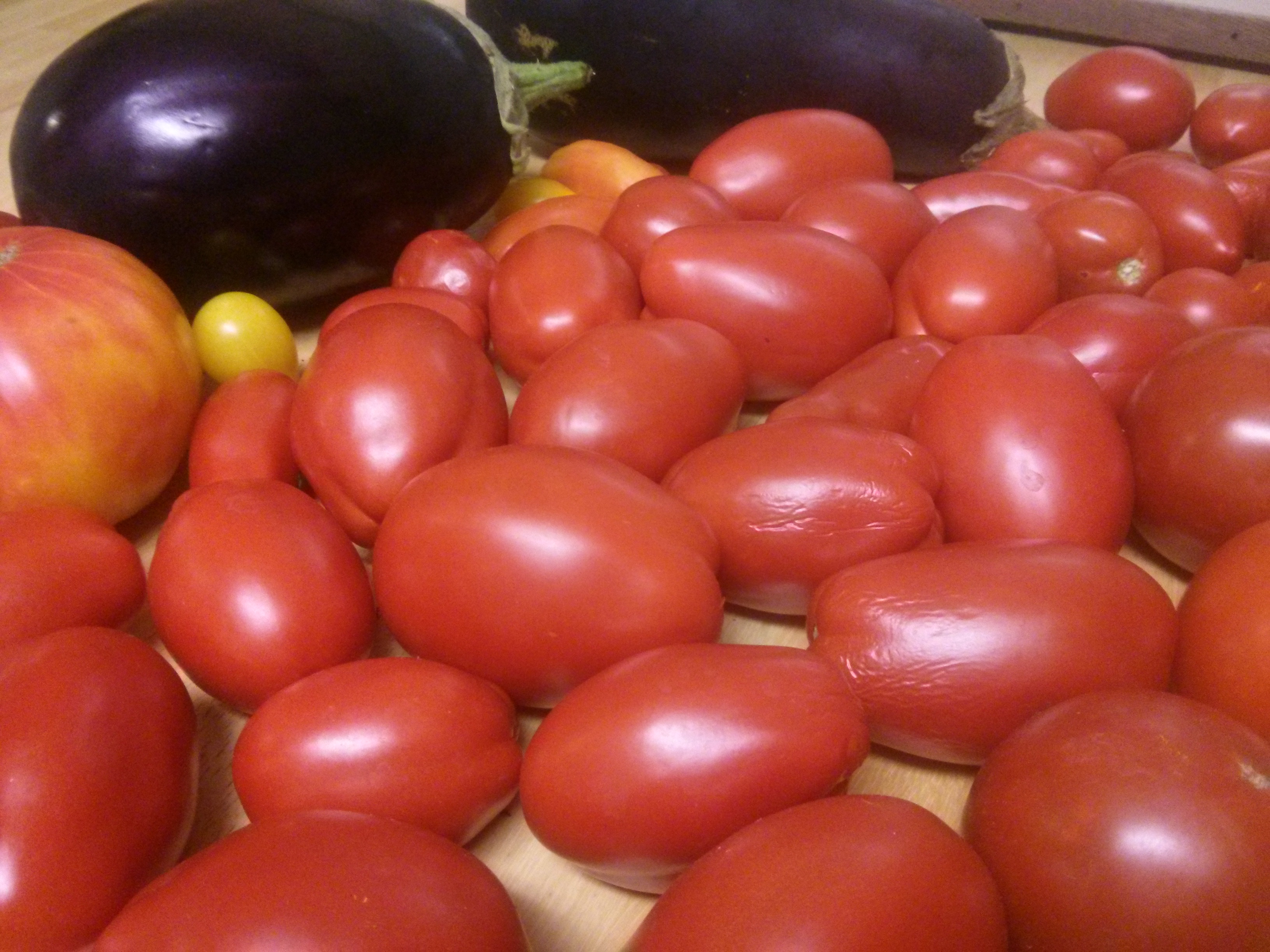
A few of the things you'll need

Current view of my table

Come and make it with me! It’ll be fun. It’ll taste good too.

This time, I’m going to take it slow, one or two steps at a time (a day), so I can take pictures, write some notes, and fit in all the other great life things I also want to do at the same time, like reading, eating, hanging out, taking a community school guitar class (Tuesdays starting tomorrow!), riding, running, and sleeping and relaxing.

Here’s my plan: bread crumbs today on Monday (done!), eggplant slices tomorrow, tomato sauce Wednesday, and then awesome Eggplant Parmesan for dinner Thursday.

Let’s see how I (and you) do!

Part 1: Bread crumbs

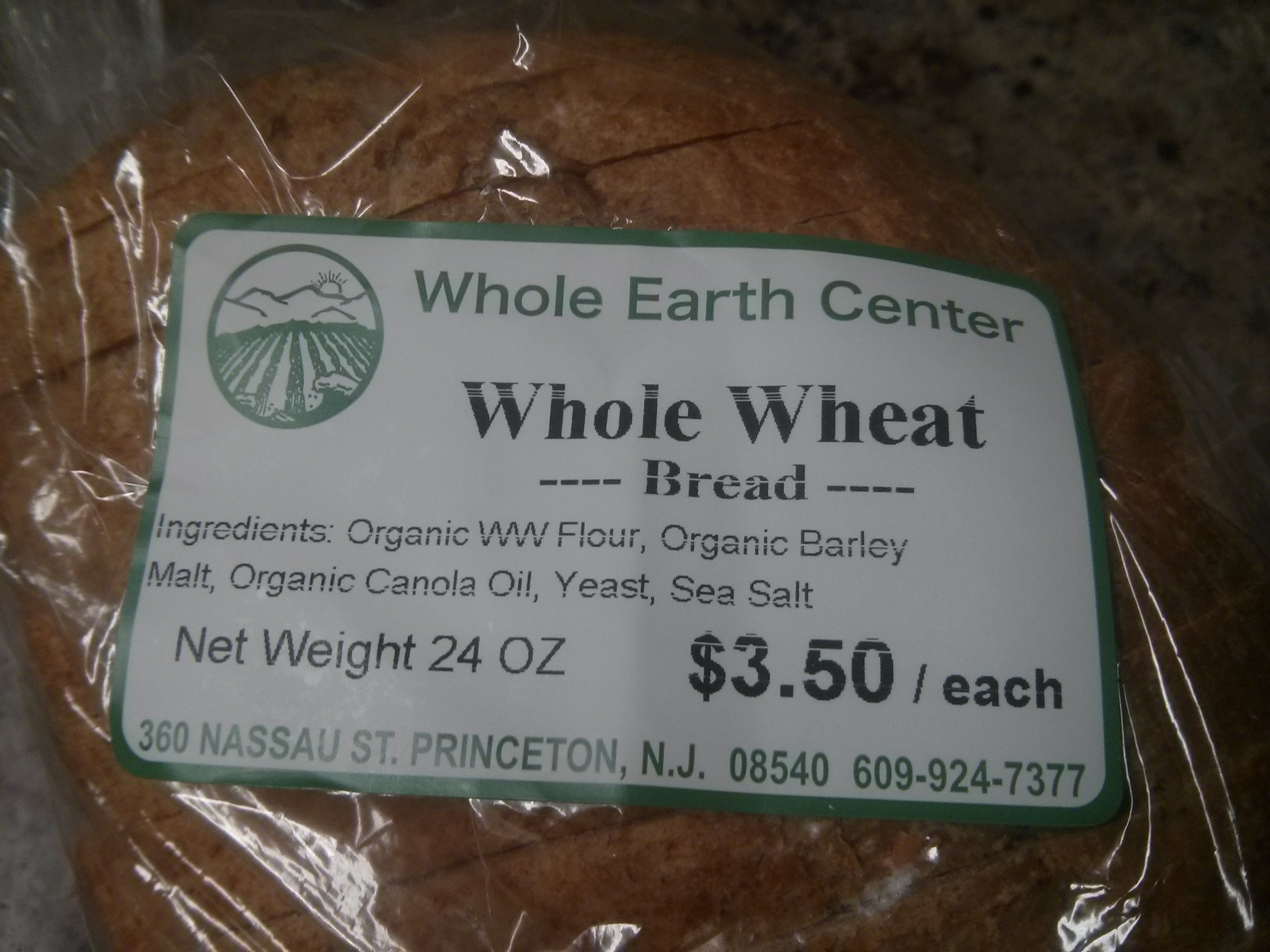
For me, making bread crumbs starts with a trip to the Whole Earth Center to get a quality loaf of bread. Today I went for whole wheat.

Love that ingredient list, five items

Love that ingredient list, five items

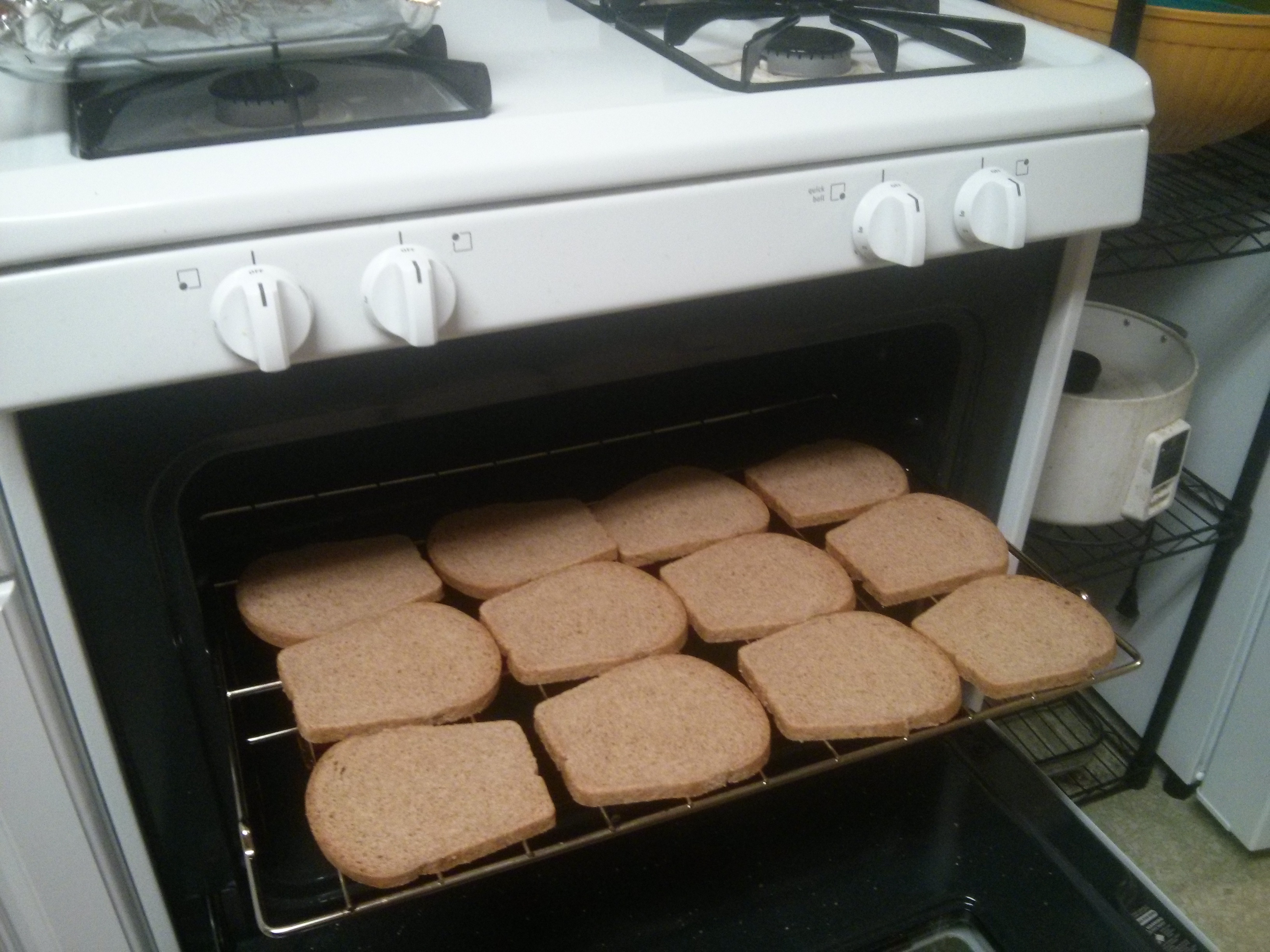
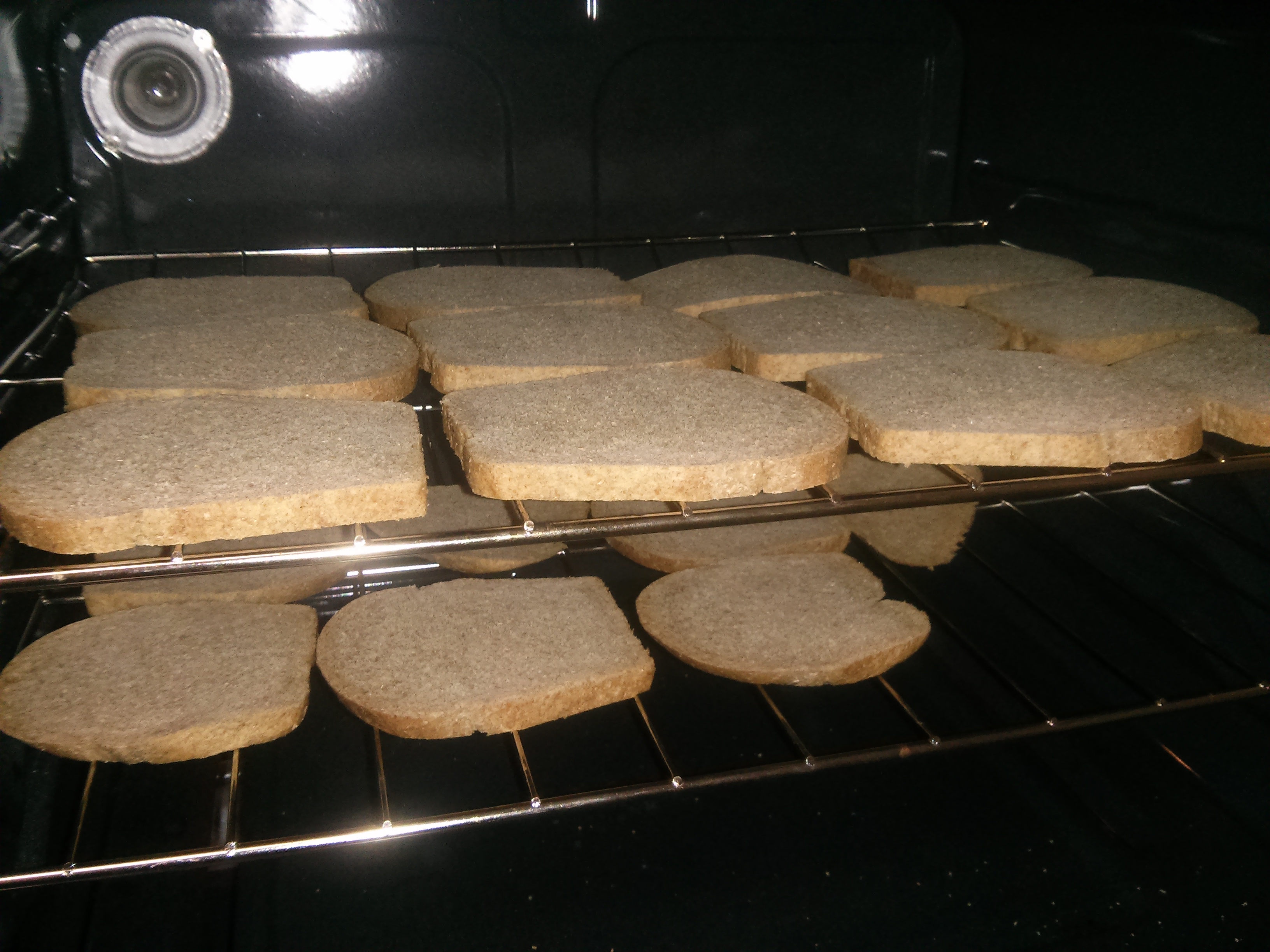
The next step is to toast the bread. I recommend the oven for this step.

wpid-img_20141006_212925.jpg

wpid-img_20141006_213032.jpg

I did about 15 minutes at 250 degrees, which produces (using my oven) toast that on the outside is crisp and that on the inside ranges from similarly crisp to a tiny bit soft. The pieces towards the outside of the oven-rack nearer the flames are the ones that get crisper. These are also the ones that have a tendency to darken and/or burn, particularly possibly the first few times you try it before figuring out your preferred crispness, timing, and color.

wpid-img_20141006_214930.jpg

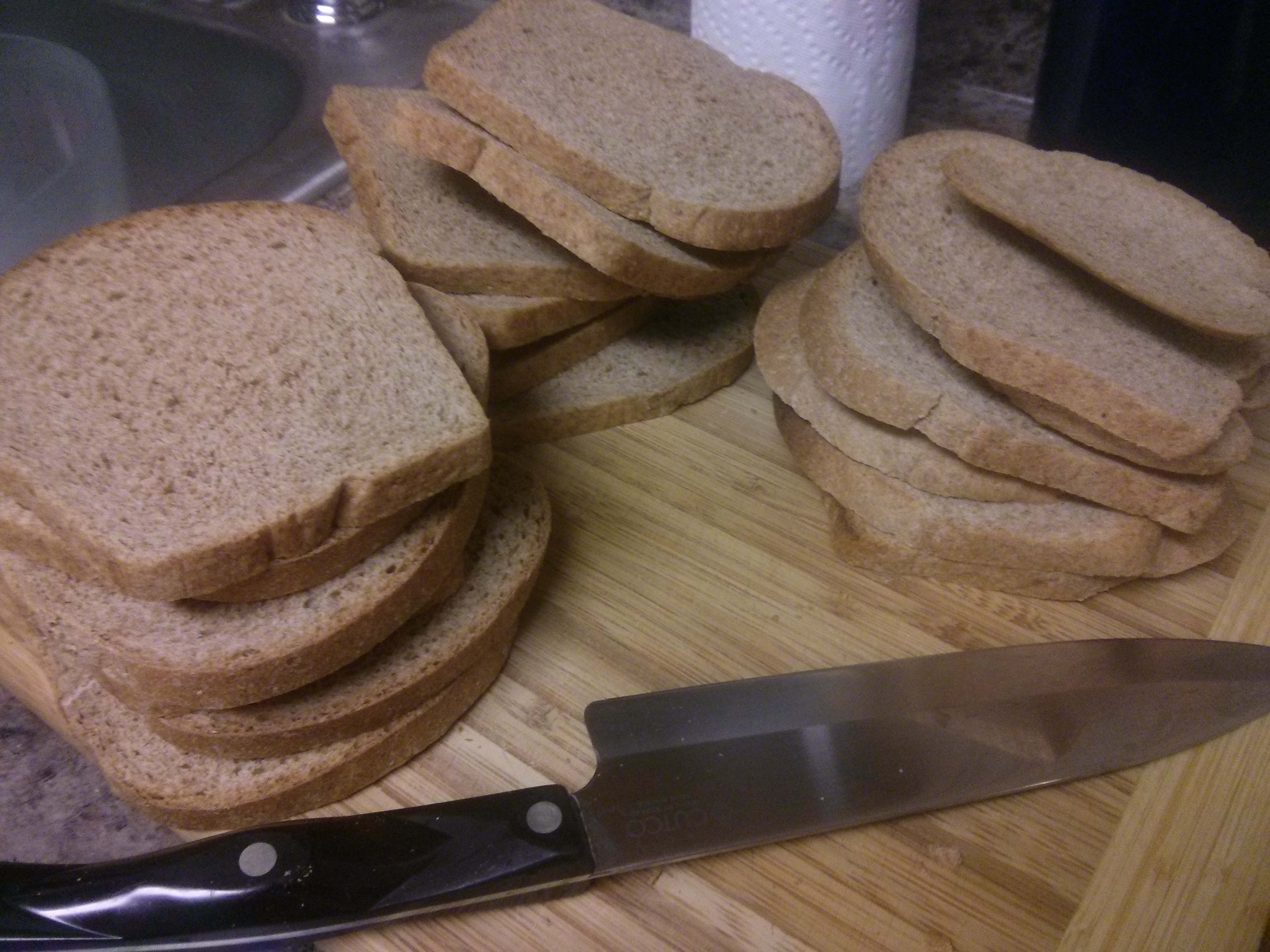
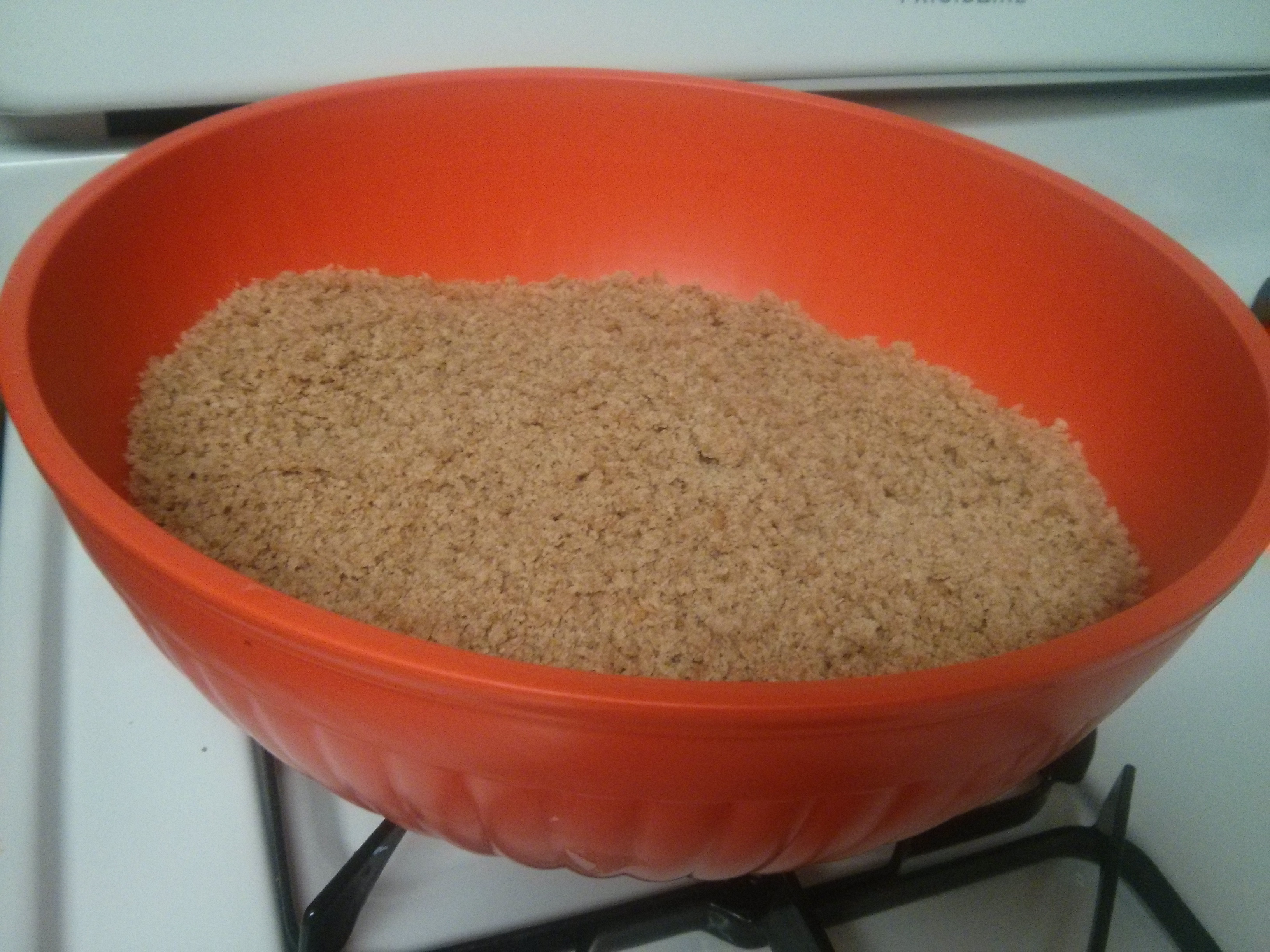
The next and final step is to get out the big knife and chop! chop! chop! chop! chop! chop! chop! until you have lots of bread crumbs.

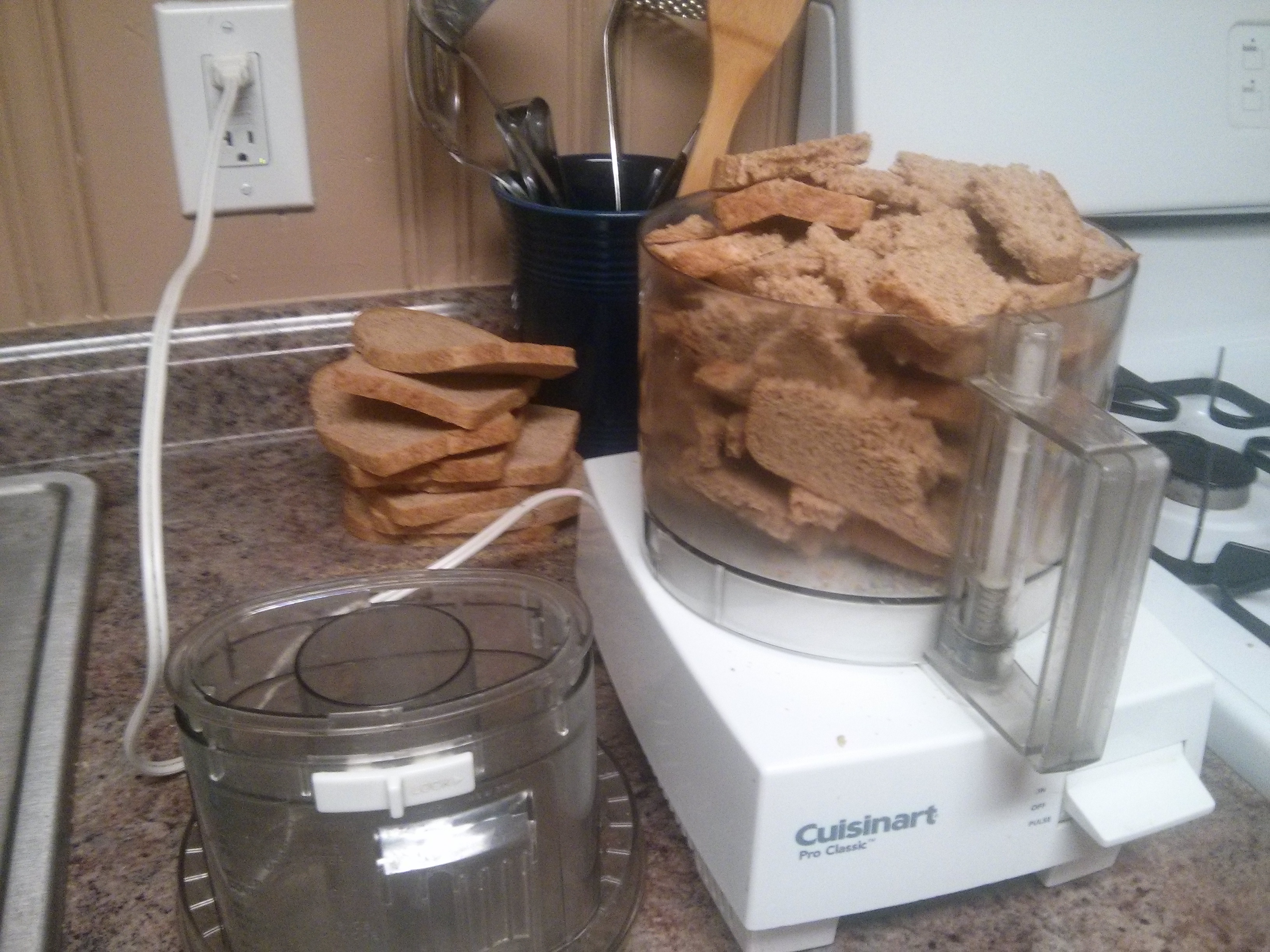
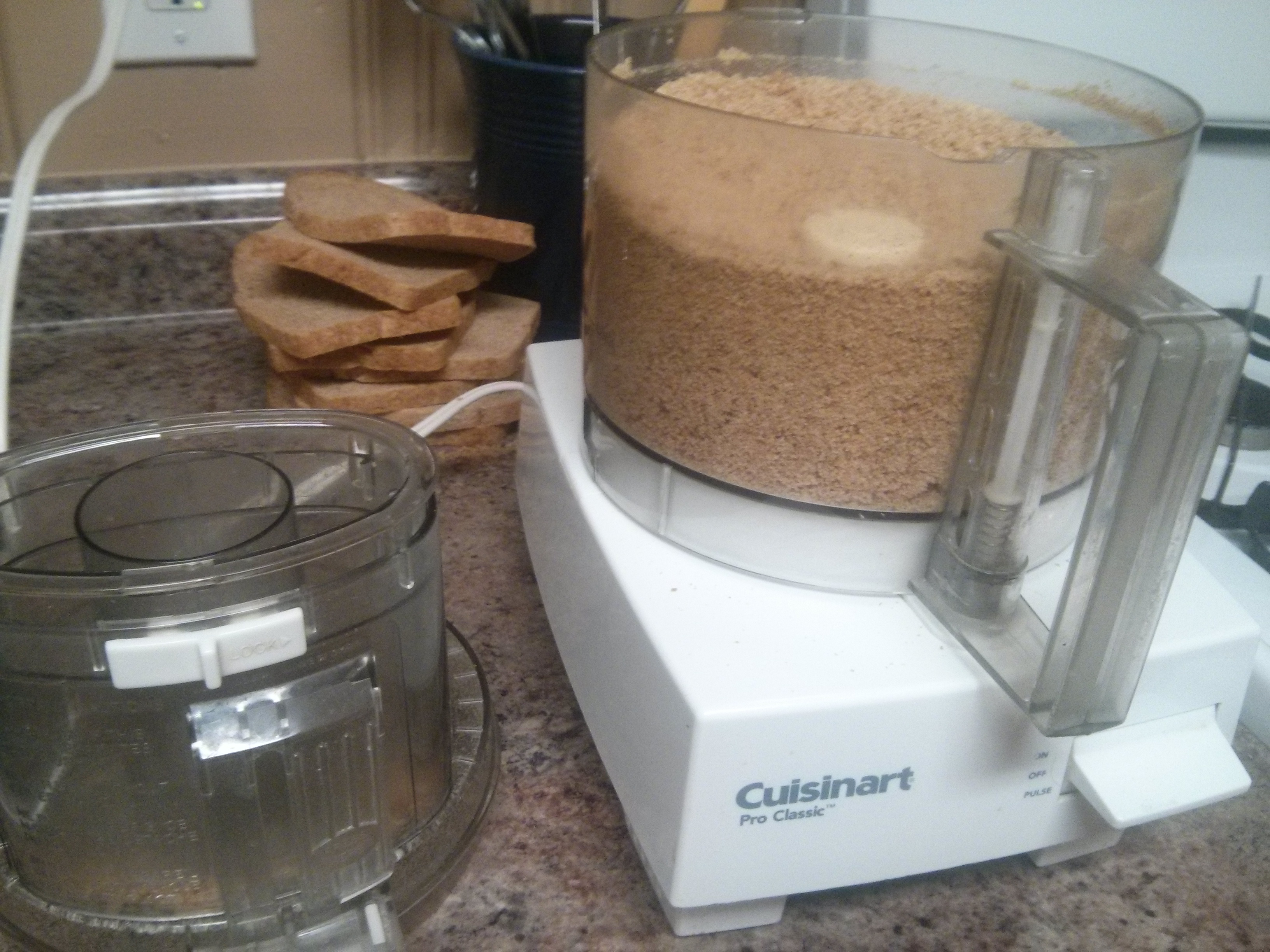
Actually, that’s what I used to do. And then I realized I could use the Cuisinart.

wpid-img_20141006_215314.jpg

Before

wpid-img_20141006_215358.jpg

After

wpid-img_20141006_215540.jpg

After after

wpid-img_20141006_220130.jpg

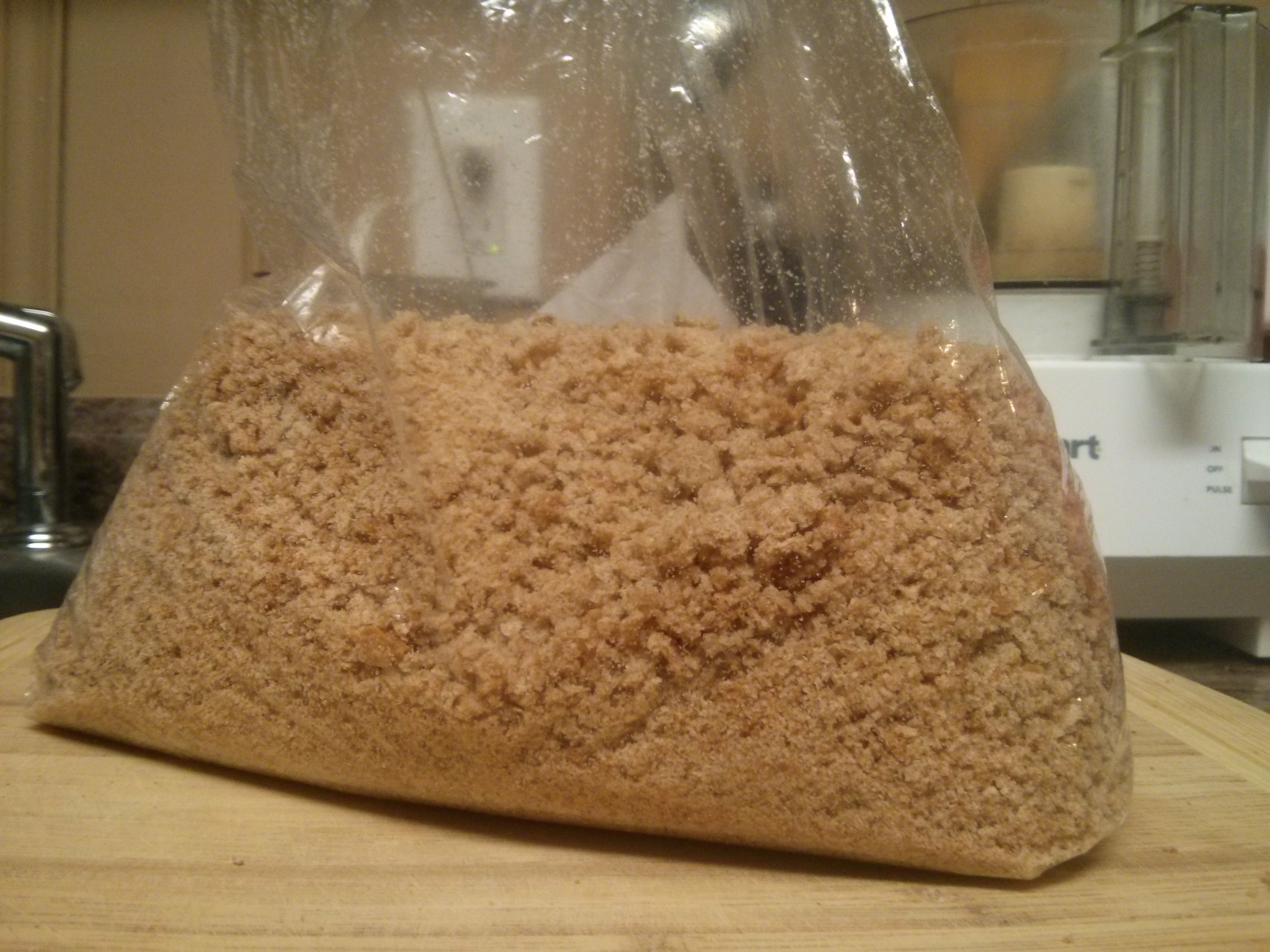
Back in the bag after

If I were saving them for another time, I’d put the bread crumbs in the freezer. As they’re destined for an eggplant date tomorrow, though, it’s in the fridge they go.

And that’s it for the bread crumbs and part 1. Pretty easy, right? Up for tomorrow is the eggplant – sliced, breaded, and lightly fried.

Determining the cost of breakfast

It took me three months, but I’ve done it! I’ve determined the cost of breakfast.

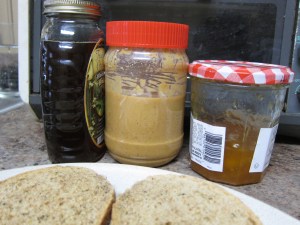
I don’t remember when exactly it became my breakfast – two pieces of toast, one with jam and the other with peanut butter and honey – but I know it was at least three and a half years ago.
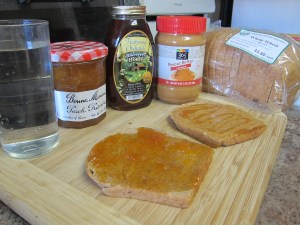
009

This is how breakfast looked in May 2014. It would have looked pretty similar in May 2011.

I can date it to at least then because I remember remarking to a few friends around that time how I’d stopped eating peanut butter and jelly sandwiches – but not my regular breakfast. I’d needed a (temporary) sandwich siesta, on account of a Latin American trip during which a relationship ended and during which, at the expense of more local food exploration and adventure, I’d acquiescingly eaten more PB&J than I’d wanted. I needed a PB&J break, but that didn’t mean I had to forgo my regular PB toast & jam toast breakfast. A sample friend exchange at the time went:

Him/her: But they’re practically the same thing.
Me: Nah, they’re not the same. They might get mixed around once they’re inside, but they start off separate.

Back then, honey also wasn’t involved everyday yet, but over time it has become a standard PB toast companion (jam meanwhile has continued to go solo). (Side note: if you want to increase the PB toast breakfast-decadence, try adding squares of butter to the toast first, then peanut butter, and then the honey on top of that.) (Second side note: if you want to experience the grounded sensation of anticipation, peace, hope, joy, and more, all at the same time while having a great PB&J sandwich, do a siesta as noted above and then eat a PB&J sandwich for the first time a few months later when you’re ready.)

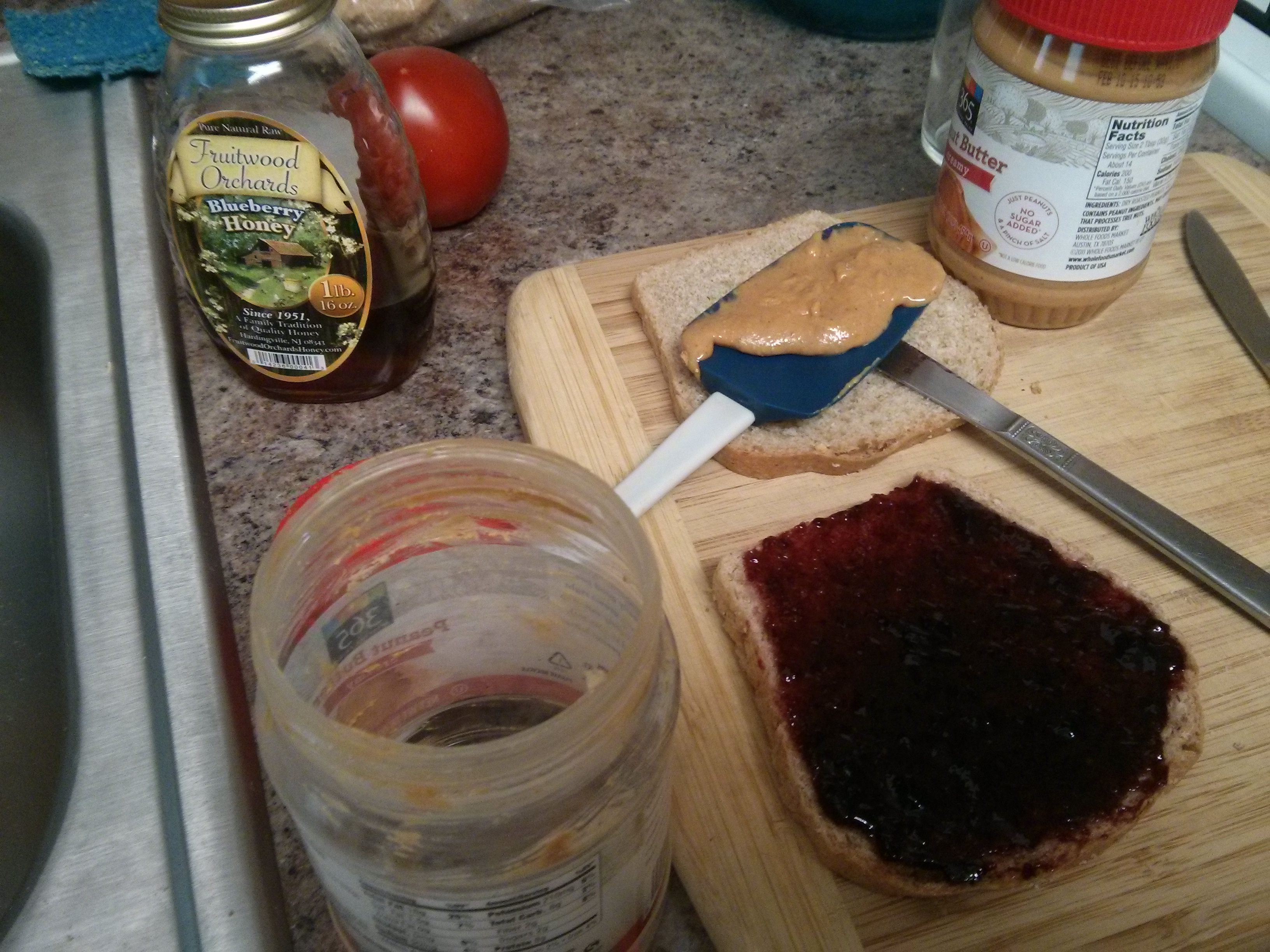
But back to 2014, breakfast, and determining the average daily cost of it. Here’s how everything looked three months ago on Day 1:

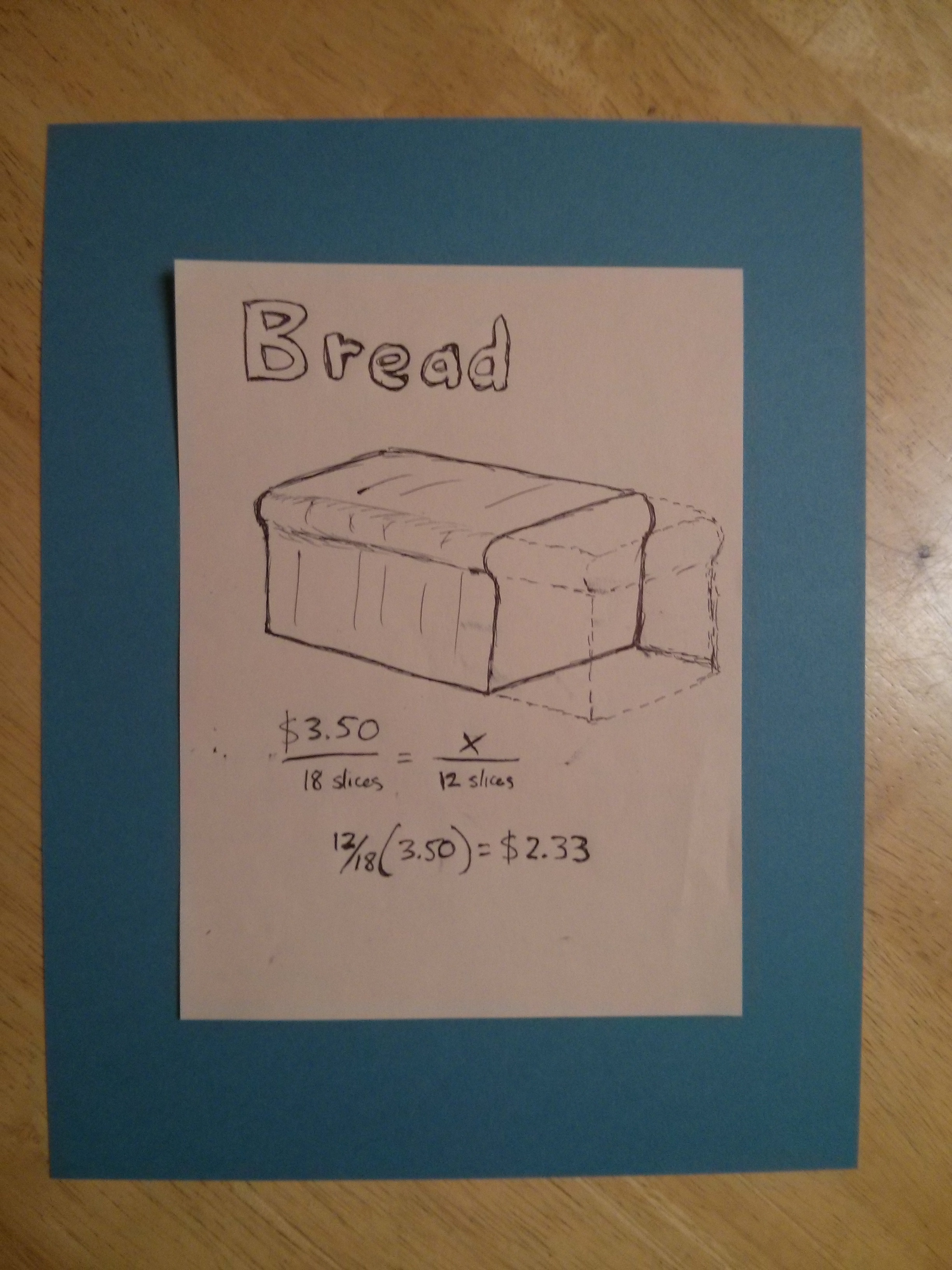
      • Whole Wheat Bread, 18 slices (Whole Earth Center) – $3.50
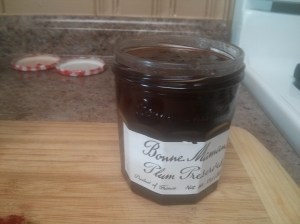
      • Bonne Maman Peach Preserves, 13 oz (Whole Foods) – $3.99
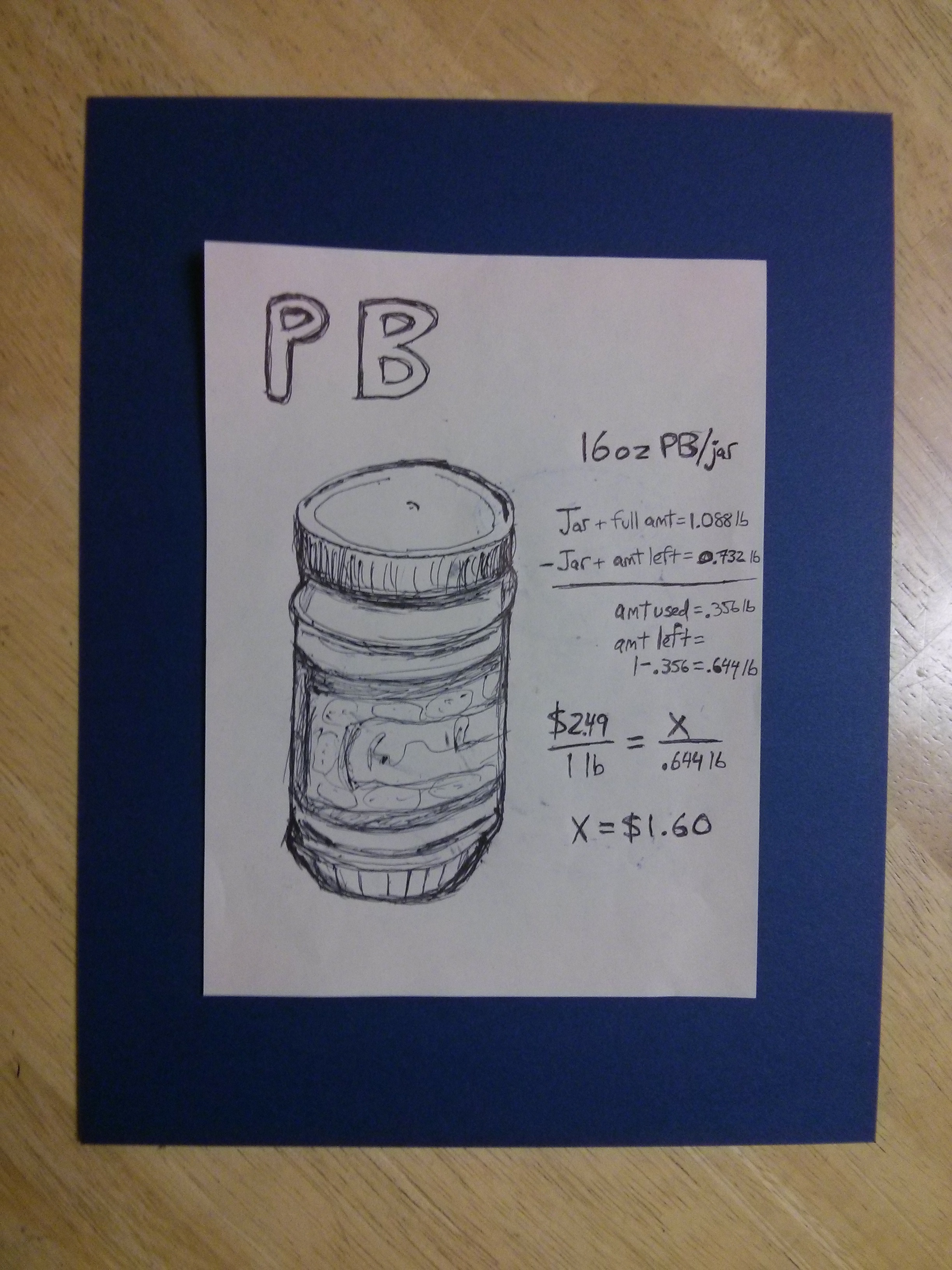
      • 365 Peanut Butter, 16 oz (Whole Foods) – $1.69
      • Fruitwood Orchards Blueberry Honey, 16 oz (Whole Earth Center) – $5.89
      • Glass of water, 8 oz (the tap) – Priceless
        (free to me)

On the first day then, May 20, 2014, the cost of breakfast was $15.07. That’s a lot, but the plan of course wasn’t to determine the cost of breakfast in a single day. There was still food left to eat and average out. I was going to keep going, two pieces of toast at a time (breakfast everyday), until I’d used everything up. Whenever one ingredient would get finished, I’d buy another one, like for like. Only when I’d finished the last of the original ingredients (if you guessed it was the honey, you’re right!) would I be done. 

And now, the rest of the story.

This includes not only pictures and words (always helpful), but also numbers and words (spreadsheet!) and pictures and numbers (art!). You might say the last two are complementary, supplementary, and…. alimentary.

May 20

009

All assembled, Day 1

May 29

038

First replacement today! New bread.

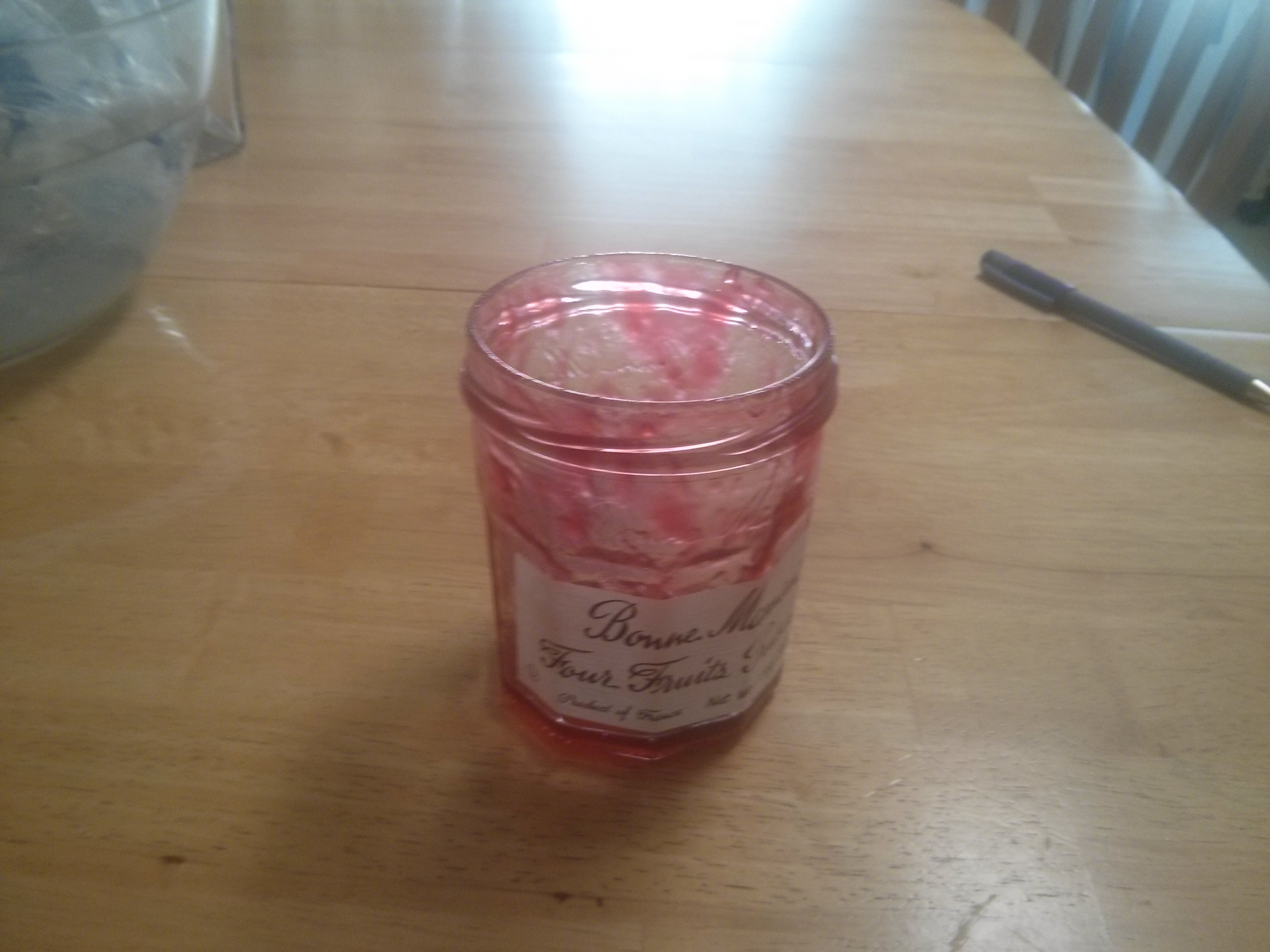
June 21 – Here, getting ready for a new jam (and getting in front any questions about the ‘science’ involved (I am a religious rubber spatula user))
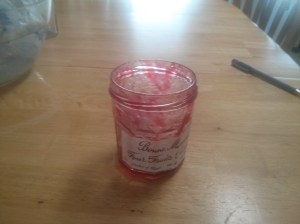
Pre-spatula
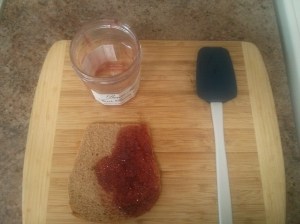
Pre-spatula

wpid-img_20140621_090201.jpg

Post-spatula

wpid-img_20140621_090228.jpg

Next!

July 4

july 4

Homemade friend breakfast!

Okay, so there were a few days when I didn’t eat my regular breakfast. Sometimes, you know, you’re out visiting friends, on vacation, or doing a bike ride or something else. All such variations are noted and accounted for on the spreadsheet, however. On July 4, for the record too, I did eat my regular breakfast later on that day to keep pace.

July 28
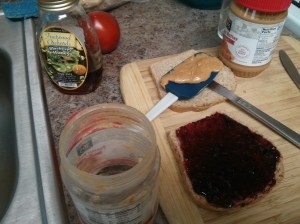
wpid-img_20140728_073755.jpg

The changing of the peanut butter. Here also – the spatula again, and a tomato photo bomb.

August 20
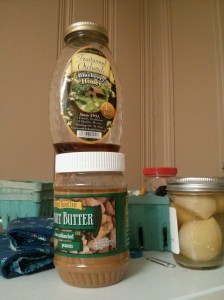
wpid-img_20140820_220314.jpg

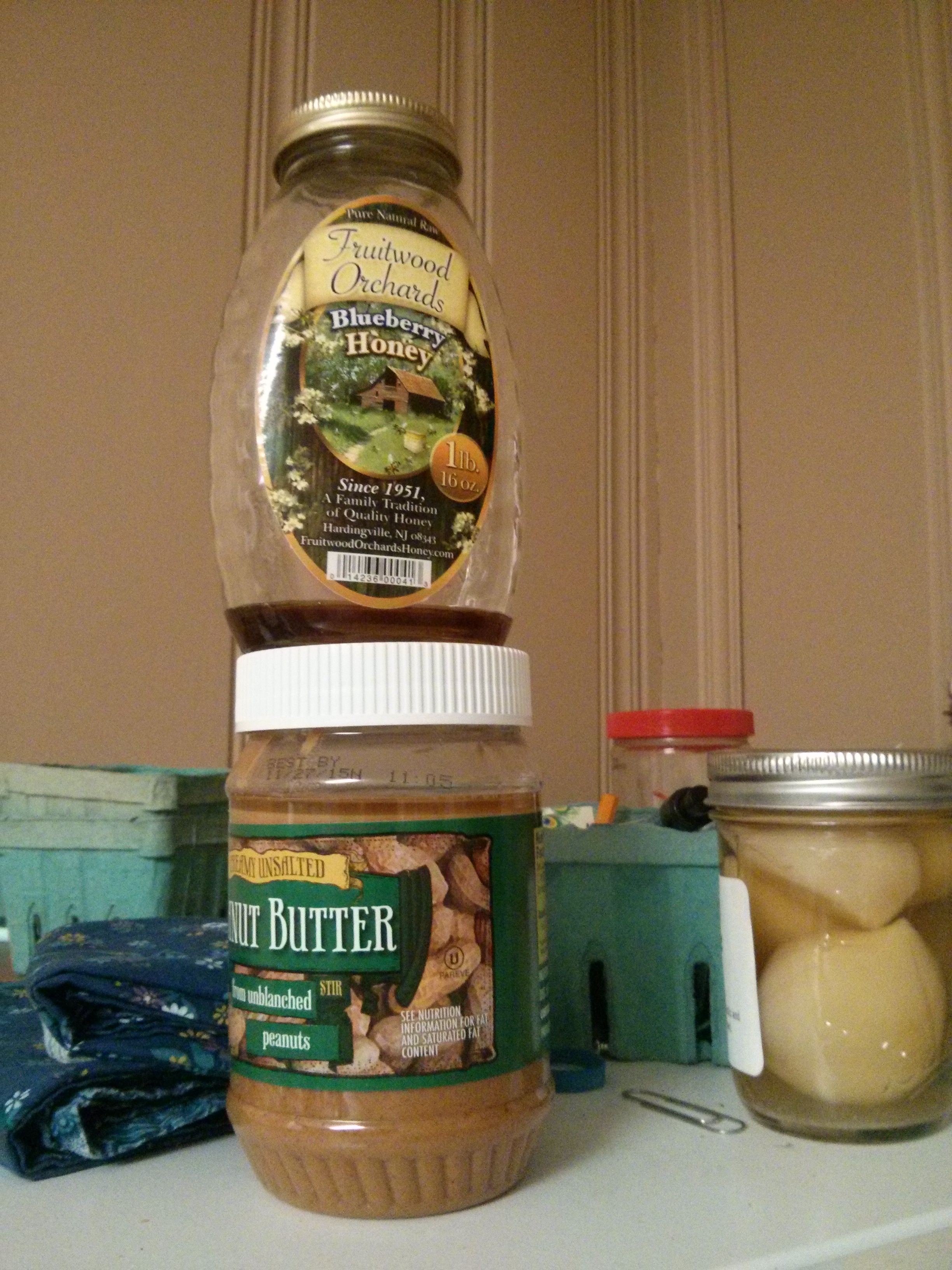
Honey almost gone… happy face, sad face

When I took this picture of the honey and peanut butter, at first I was like, Finally, I’m almost done! And then I was like, Wait, but then I’ll be done! It reminded me of a time in middle school when I was reading a book that I liked so much that I didn’t want it to end. I tried to remember what book it was – I was recalling kids, a secret garden, and an element of mystery and magic, and possibly it being a Battle of the Books book (EB reference) – but in this case my insufficient memory trumped my internet skills. Any thoughts? It wasn’t The Secret Garden, as I learned later after taking that one out of the library and reading it for the first time, but as a bonus, at least now I know another kids book that I like.

August 27

I said goodbye to the last of the original 16 oz of honey on this day, and with my limiting reagent now gone, it was time for step two: mathematics. The interesting thing is, math can be creative too. This is not to say I made up the numbers, but rather that I enjoyed creating the requisite spreadsheet. What’s not to like about figuring out formulas and making accurate and interesting notes??? I’ve got columns for weekday, date, bread, jam, peanut butter, day, effective day, the cost of breakfast, food notes, and extra notes.

Check it all out here. (Xls available too.)

September

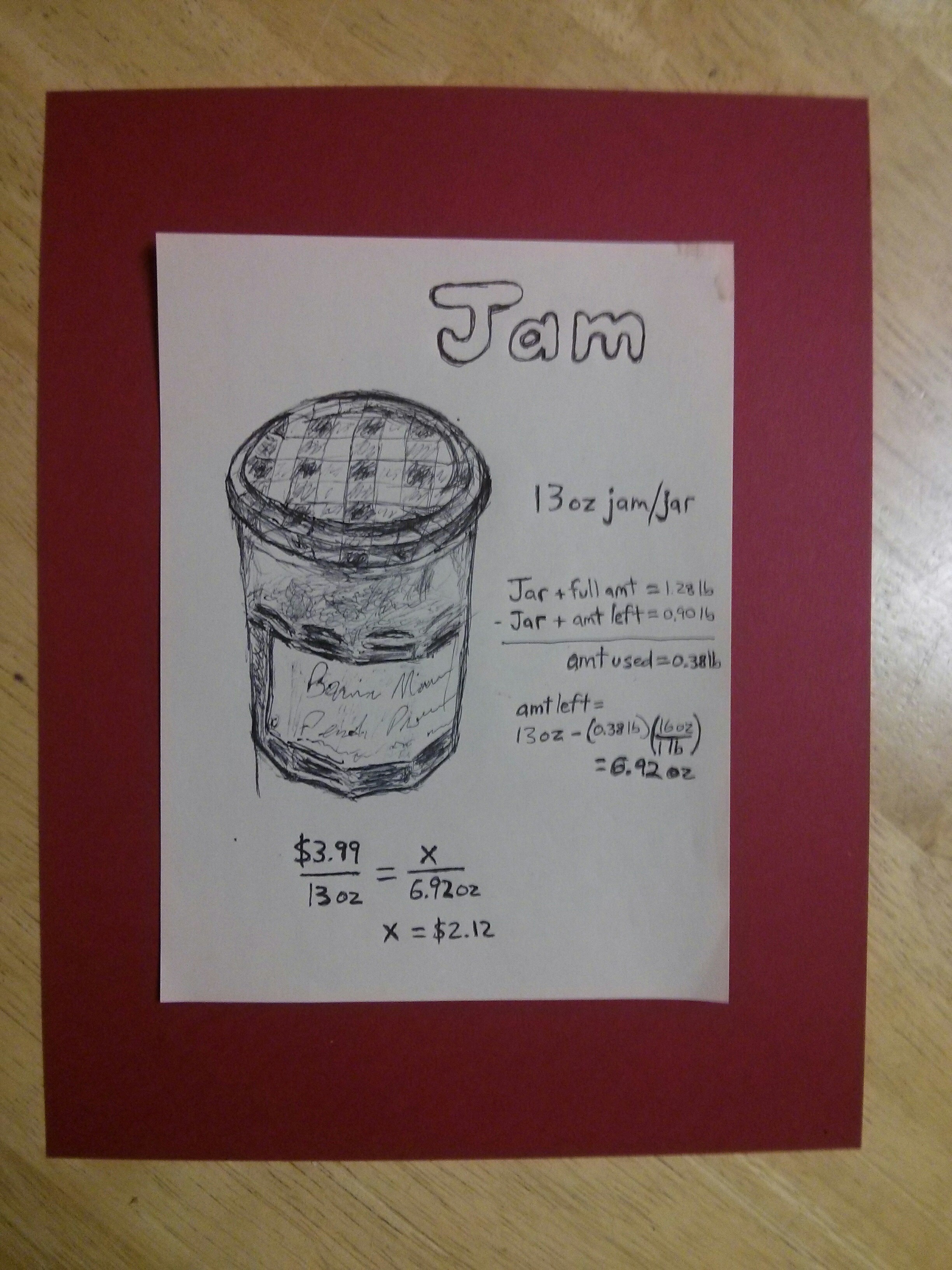
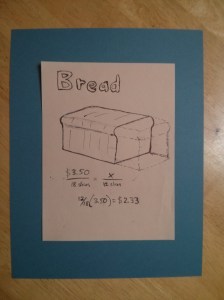
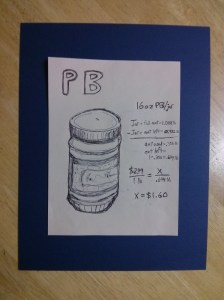
Before I could finish the spreadsheet and determine the cost of breakfast, I realized there was one more thing to do: determine and subtract out the value of the food amounts remaining at the end. The honey was done, so I was set there. And bread is bread, so I could easily determine the remaining bread value. But to make the final adjustments for the remaining jam and peanut butter, I needed to know or at least factor in the tare weights of the jars.

Not owning a scale myself, I made a special trip to the Whole Earth Center, where they have several scales to weigh the bulk items. I took my jam and peanut butter measurements – ‘jar + the amount left’ for each one – and then since I hadn’t weighed them ahead of time at the beginning, I brought with me unopened jars of the same jam and peanut butter and weighed those jars too. Then you subtract the partially-used jar number from the full jar number, and the tare is gone and you’re on your way.

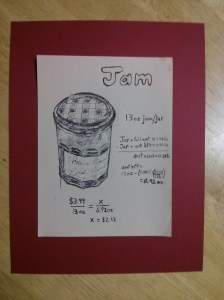
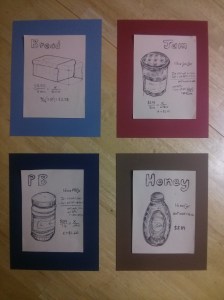
If this sounds like a lot of words and you think seeing it more graphically would help, with the actual numbers, I agree. In part with this in mind, and in part because, well, I like to draw and I hadn’t done much drawing in a while, I made some art math. If it helps to get a sense of the progression of style, I’ll note too that the pictures appear below in the order in which they were created.
wpid-img_20140919_191549.jpg

wpid-img_20140919_191654.jpg

wpid-img_20140921_135332.jpg

wpid-img_20140921_214311.jpg

wpid-img_20140921_215016.jpg

And all together now

Between the spreadsheet and the art math, I feel like there’s a lot to work with here. Math teachers, number lovers, and food and life blog readers of the world, there you are – enjoy and feel free to use as you see fit, responsibly and with attribution.

As for the ultimate numbers for breakfast, here are the main ones:

  • The number of days it took to determine the cost of breakfast: 100
  • The number of effective days it took (aka the number of days it took to eat 1 lb of honey): 83
  • The total amount spent on bread, peanut butter, jam, and honey (after the final adjustments): $70.98
  • The average amounts consumed daily for breakfast:
    • 2 slices of bread
    • 0.86 oz of jam
    • 0.84 oz of peanut butter
    • 0.19 oz of honey

And of course, the final number – now trimmed a bit from where it started on day one:

  • The cost of breakfast, determined: $0.86

In Remembrance

It was six weeks ago on July 13 that my aunt passed away, and last weekend that I went to her memorial service.

At the reception afterwards in the memorial hall, there was a small array of cheese spreads, crackers, and fruits and vegetables. There was also apple cake, with the cake prepared by the caterer using my aunt’s recipe.

I wasn’t sure if I’d had my aunt’s apple cake before (I thought I had), but in any case it tasted good that day. On the table next to the cake was also the recipe, printed simply on
5″ x 8″ slips of orange paper, there for all to take. The slips also noted the recipe’s origins: it had come from a customer of the family’s old apple orchard, collected by my grandmother and modified by my aunt.

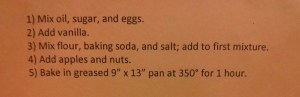
apple cake ingredients

apple cake instructions

For the cake

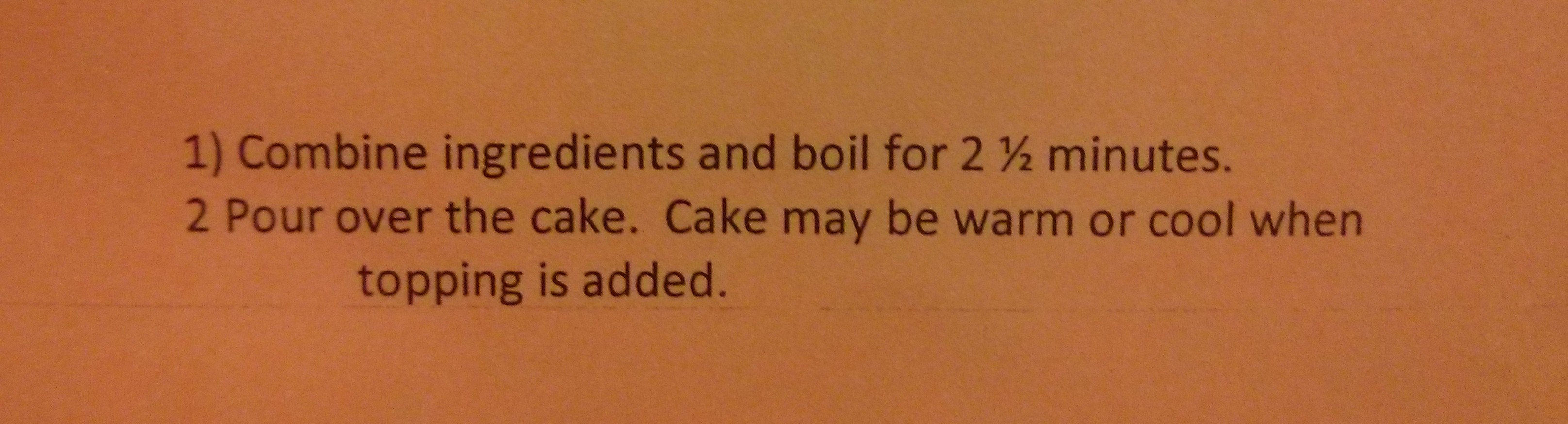
apple cake topping instructions

For the topping

apple cake topping instructions

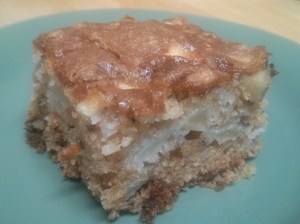
I didn’t take any pictures that day, but I took some a few days later when I decided to try making the recipe myself. The only variations I made were to use Ginger Gold apples (the folks at the farmers’ market said I could get Jonathans starting in a maybe 3-4 weeks) and to skip the topping. The cake turned out good, but it was also easy to tell that it wasn’t quite the same as the original, which had more of a definite, ‘Okay, even though I’ve already had three or four pieces, I think I’ll have just one more,’ quality to it.

wpid-img_20140821_223257.jpg

My aunt was many things, a baker, scholar, wife, friend, sister, aunt, gardener, leader, quilter, and crafts-person. But’s that’s saying too much, and too little.

The memorial service, following my aunt’s request, consisted of a musical selection of folk and traditional songs that she liked and that meant something to her, played live by friends, with a minimum of talking about her in between the songs. She had requested that the collective comments last no more than five minutes altogether. There were eight songs, eleven performers, and a welcome, and you could feel the performer-friends wanting to say more, even as they kept true to the program.

There was a lot that made my aunt’s life full, and we all wish it would have continued to be full for a little longer, beyond when the progression of cancer, back again, finally said it was time.

I’ve gone back and forth on what to say about myself and how I feel, including whether to say anything at all since it’s not really about me. What I’ll just say is that I have a feeling that I imagine others may have felt at similar times in their lives: a wish or regret not necessarily to have said more, but to have asked more, and to have learned more about her and the perspective, knowledge, and life and family history she knew and could share.

The morning after the memorial, I walked through my aunt and uncle’s garden and took pictures of the flowers. It was mostly my aunt who would do the flowers, and mostly my uncle who would do the vegetables.

Here’s how the flowers looked that day, a day after my aunt would have been 79. There was and still is a lot of color.

wpid-img_20140817_114632.jpg

wpid-img_20140817_114642.jpg

wpid-img_20140817_114652.jpg

wpid-img_20140817_114704.jpg

wpid-img_20140817_114714.jpg

wpid-img_20140817_114724.jpg

wpid-img_20140817_114730.jpg

wpid-img_20140817_114737.jpg

wpid-img_20140817_114811.jpg

wpid-img_20140817_114826.jpg

wpid-img_20140817_114849.jpg

wpid-img_20140817_114916.jpg

wpid-img_20140817_114943.jpg

wpid-img_20140817_114955.jpg

wpid-img_20140817_115015.jpg

wpid-img_20140817_115032.jpg

wpid-img_20140817_115045.jpg

wpid-img_20140817_115107.jpg

wpid-img_20140817_115127.jpg

wpid-img_20140817_115211.jpg

wpid-img_20140817_115233.jpg

wpid-img_20140817_115355.jpg

wpid-img_20140817_115446.jpg

wpid-img_20140817_115452.jpg

Twine to unwind

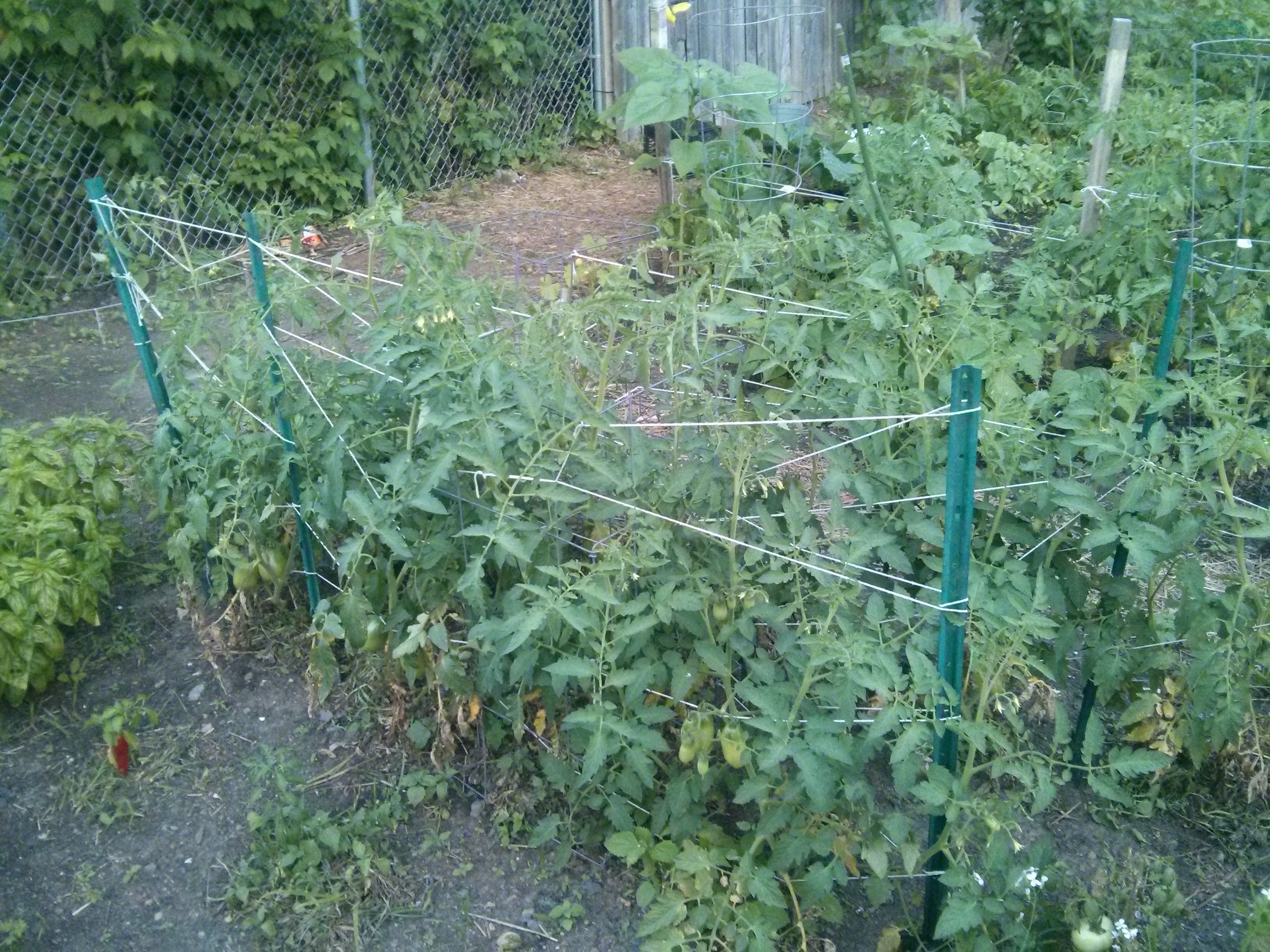
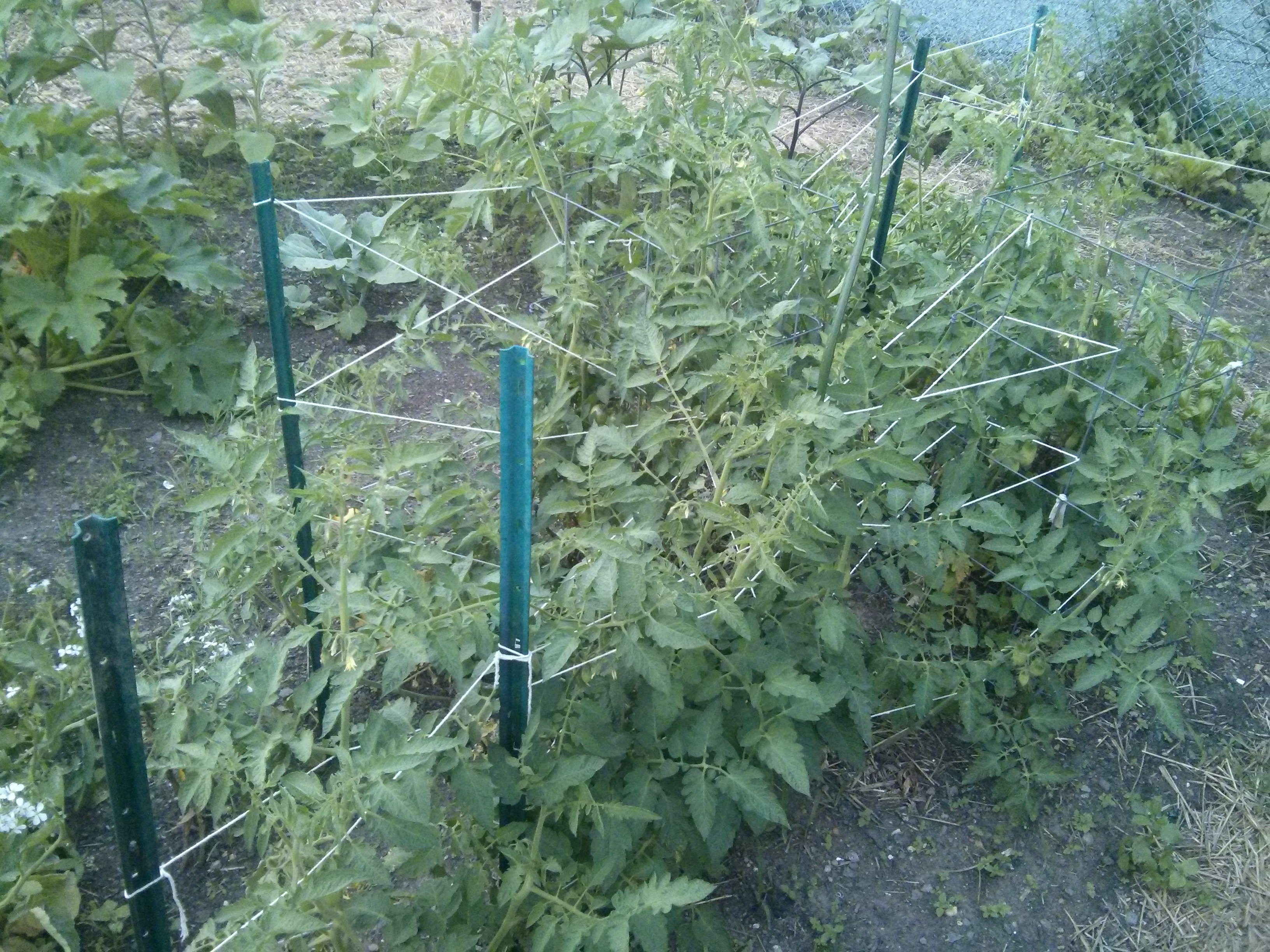
Sometimes being a mostly vegetarian comes with extra benefits, such as when it was time this year to help the tomatoes and cucumbers in the garden grow up and climb.

Having been a vegetable parent in the past, I knew they’d do better with a little support and structure. The question was, where to turn for this guidance? The answer? My kitchen cupboard! (And my parents.)

twine wating to be prepuar

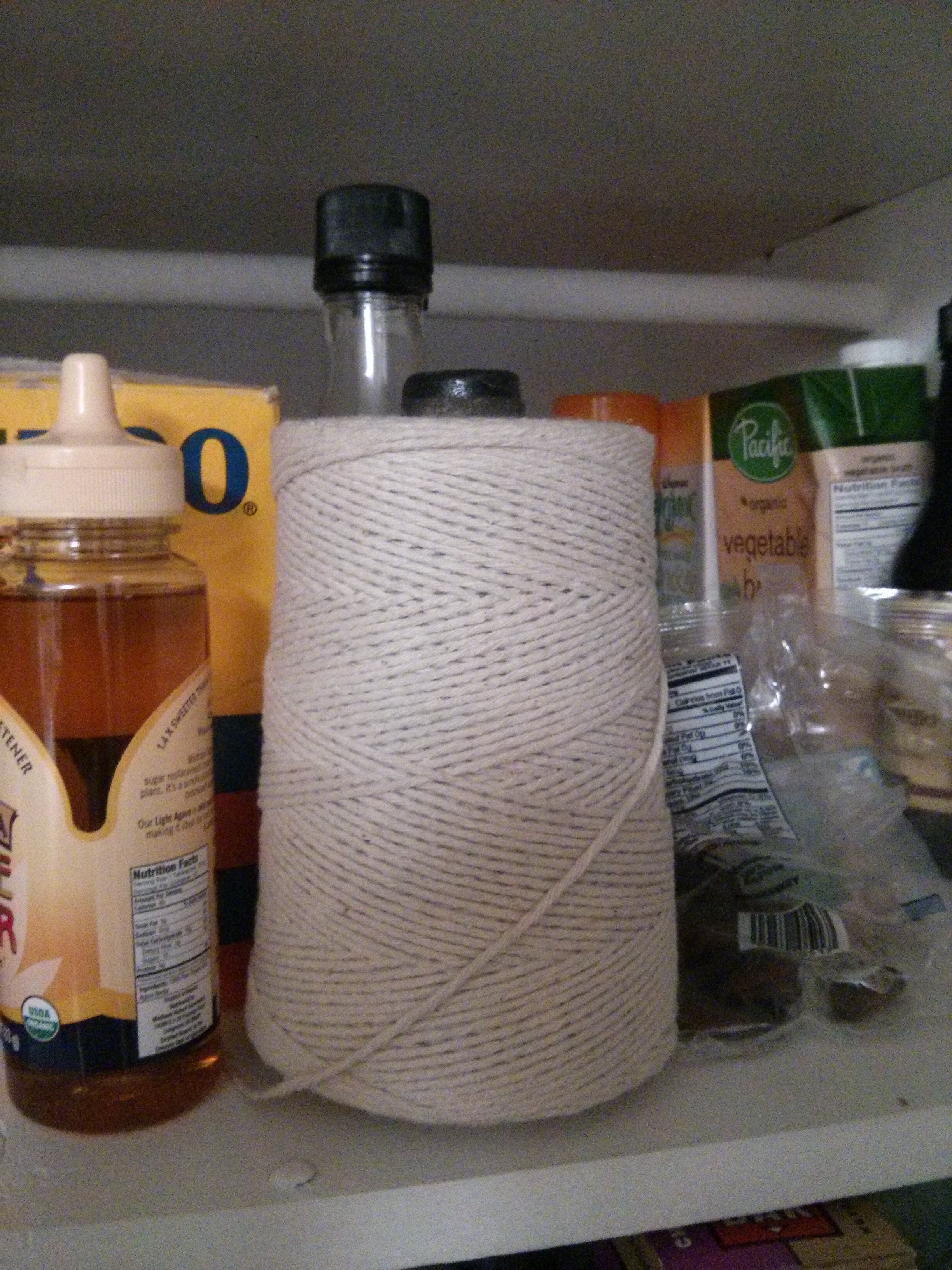
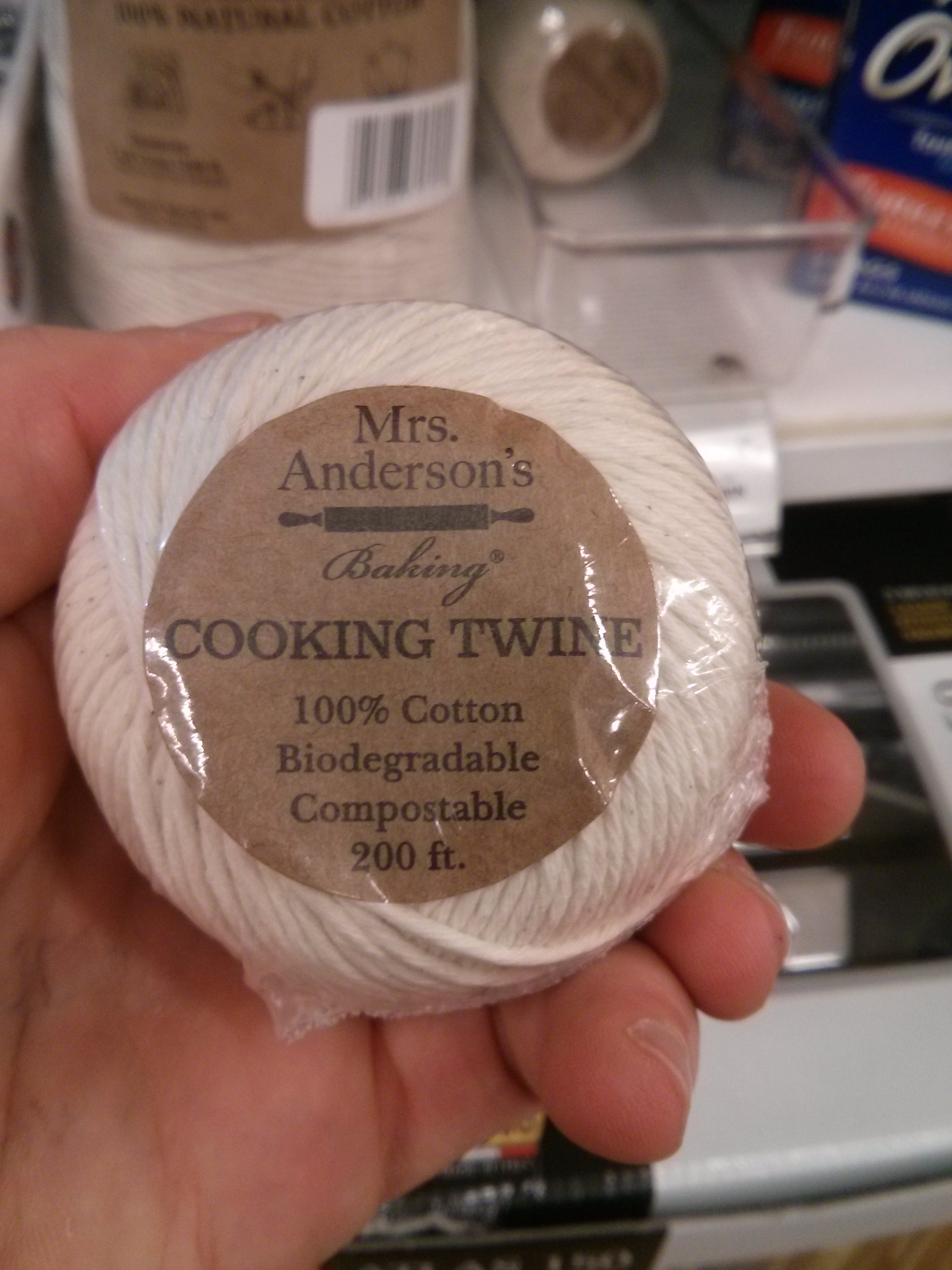
Cooking twine, waiting to be repurposed

It’s not all the time that I follow recipes when cooking, but at some point a few years ago, I had the thought, I should cook a whole (little, local) chicken in the oven and tie it up with twine like it says in The Joy of Cooking and other recipes. To make that happen though, I needed to get some twine.

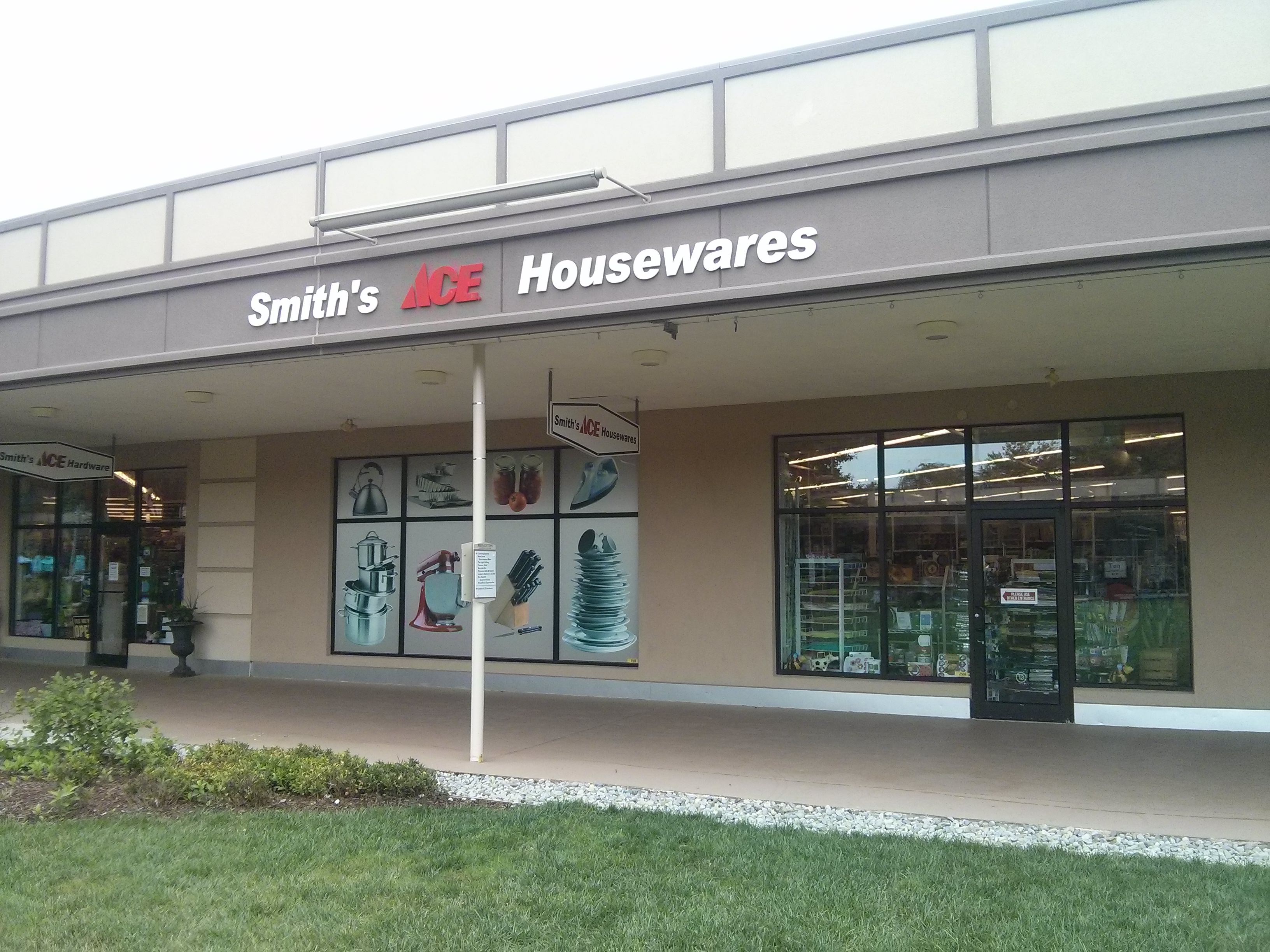
So I went to the local Ace Housewares store.

IMG_20140803_145427

One of the great things about the Ace is that it’s only about a mile from my place. I also love seeing and periodically using the 20% off coupon they consistently print in the local weekly paper, sometimes double-downed with a $25 Ace gift card I’ll get for redeeming $20 of my credit card cash-back bonus. I’m not a big consumer, or much of one at all really, but I like new things like the next person, and particularly so when they’re food-useful and they involve bonus thrift.

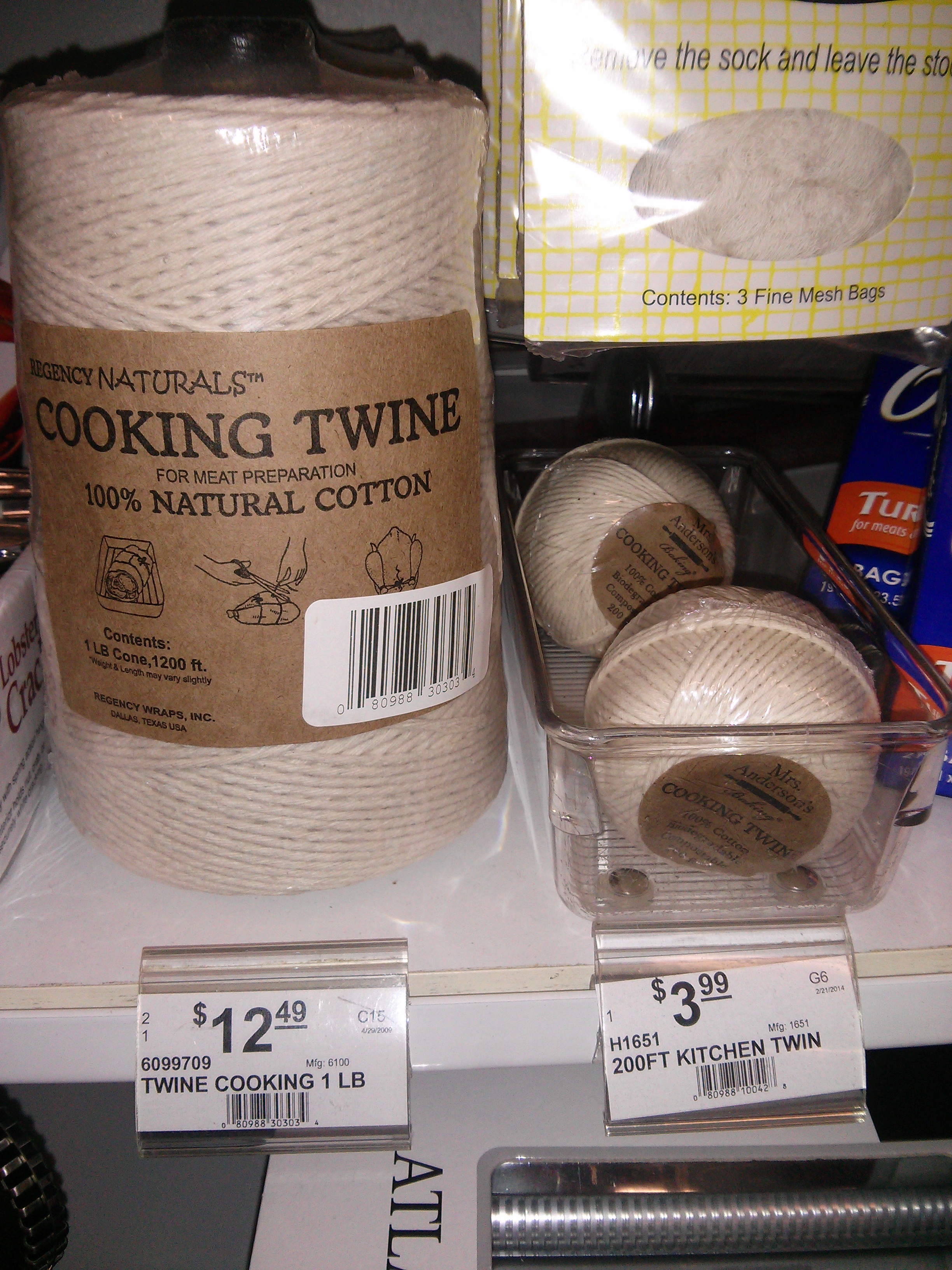
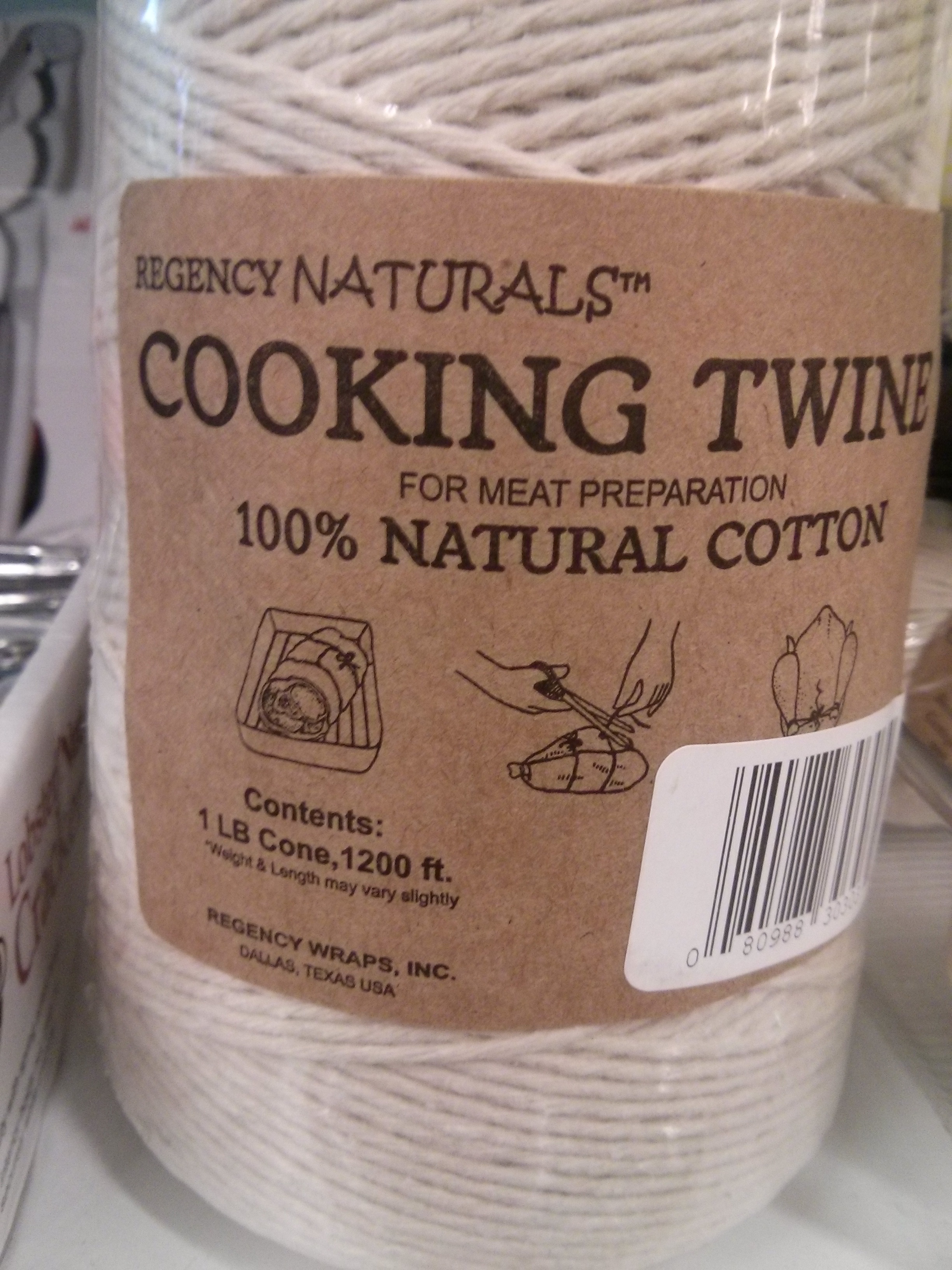
When I got to the store, I saw I had two options for the twine – the little ball and the big spindle.

IMG_20140711_185938

Picture taken July 2014, looking just as I had remembered

Now, I was only making one chicken, and my mental math told me the little ball would be plenty, but then there was the unit pricing…can’t ignore that!  200 ft vs. 1,200 ft.  So I could get six times the twine, for only three times the price! Decision made. I walked out of the store feeling good about myself and with 400 yards of twine.

IMG_20140711_190033

200 feet…nice try

IMG_20140711_190040

1,200 feet, and comes with handy pictures…that’s more like it

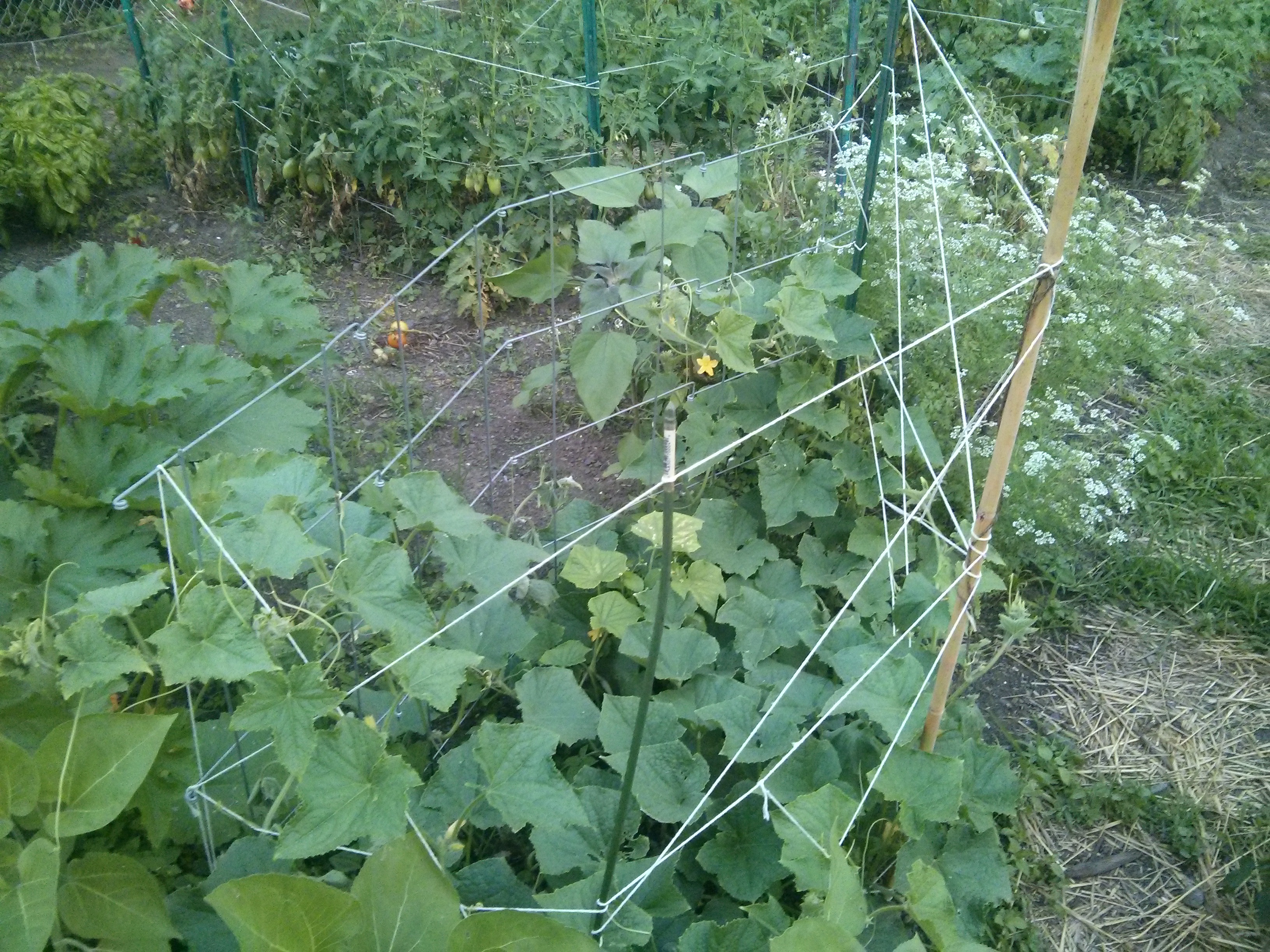
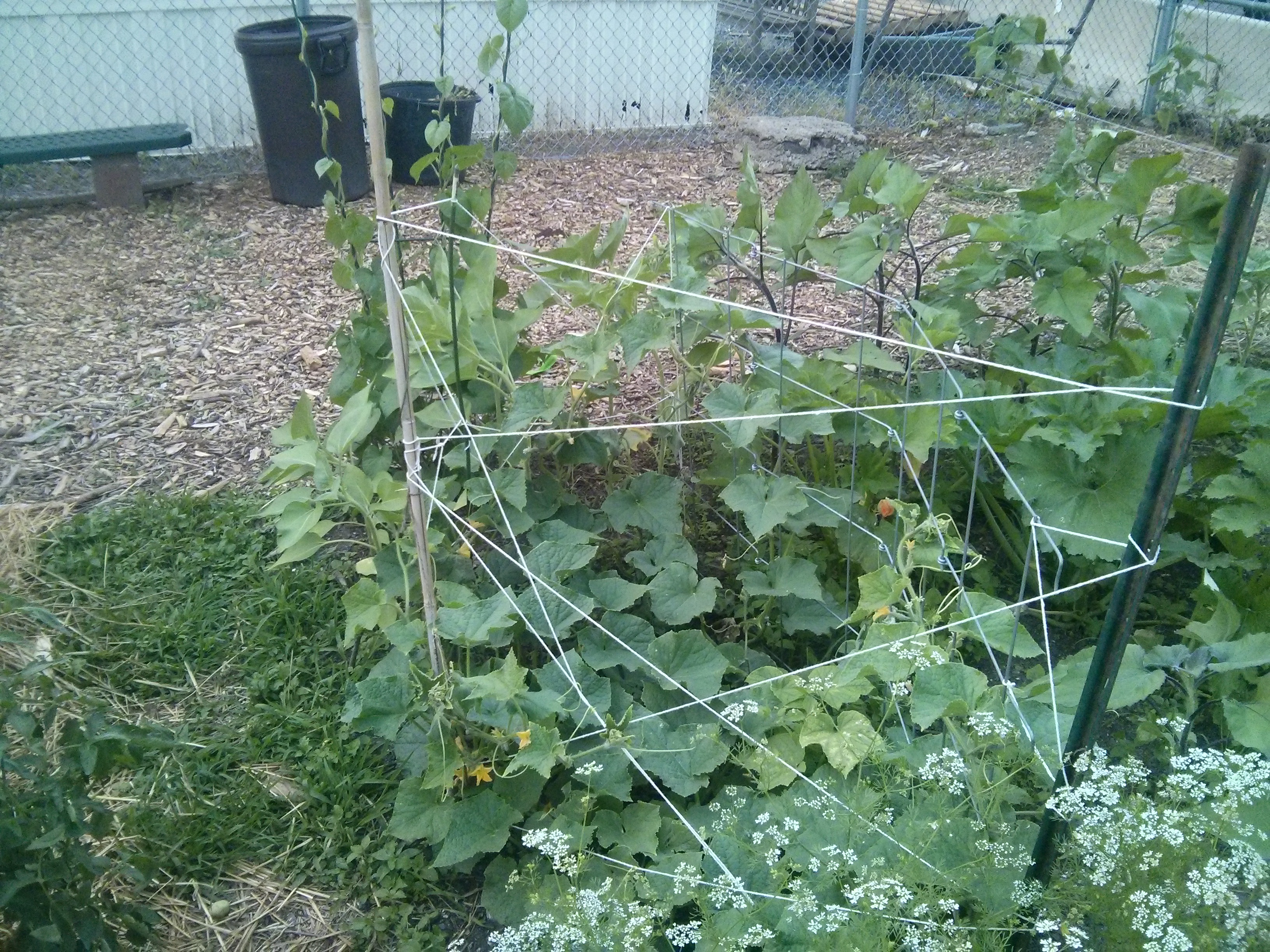
I’m not sure how much twine it took to tie up that 3-pound chicken, but I can say that when you only do it once, there’s still a little bit left from the original 1,200 feet when you pick it up for the second time two years later. Which is to say, I still had a fair amount to work with when I brought the twine with me to the garden a month ago to work with the plants.

IMG_20140711_202038

The cucumbers, just after stringing, looking ready to climb

IMG_20140711_202029

Also involved: a bamboo pole, a plastic stake, a metal stake, and an unfolded  tomato cage. (Thank you Mom for the complementary, non-twine supplies.)

I treated the two rows of tomatoes to a similar setup, combining the twine with a few stakes and cages to web it up right.

IMG_20140711_202111 (1)

Sauce tomatoes, now happy with the new support

IMG_20140711_202053

A view from the other side too; I added more twine later as the plants continued to grow.

Though the cucumbers have now begun to wilt away with the summer, I was able to get a decent crop. I also picked some tomatoes for the first time last week. As for the twine, it’s now back on the shelf, looking the same as before or maybe just a little trimmer. It did after all get a little workout.

Asterisk club #1

In eighth grade one time, someone at my lunch table told the story of how a kid he knew swallowed some watermelon seeds and then a watermelon started growing inside his stomach.

Perhaps it speaks to my sense of imagination, but I believed it for least 15-30 seconds. I mean, a watermelon! Growing inside your stomach! It’s like the perfect space!

But then it didn’t seem quite right, so I dismissed the reality of it. I still love the story though and will sometimes try it out on kids (and occasionally adults) to see what they think.


Back to A good start in the garden


A good start in the garden

I got the call from the Recreation Department in mid-April. I was officially off the wait-list! I’d be rejoining the community garden this year.

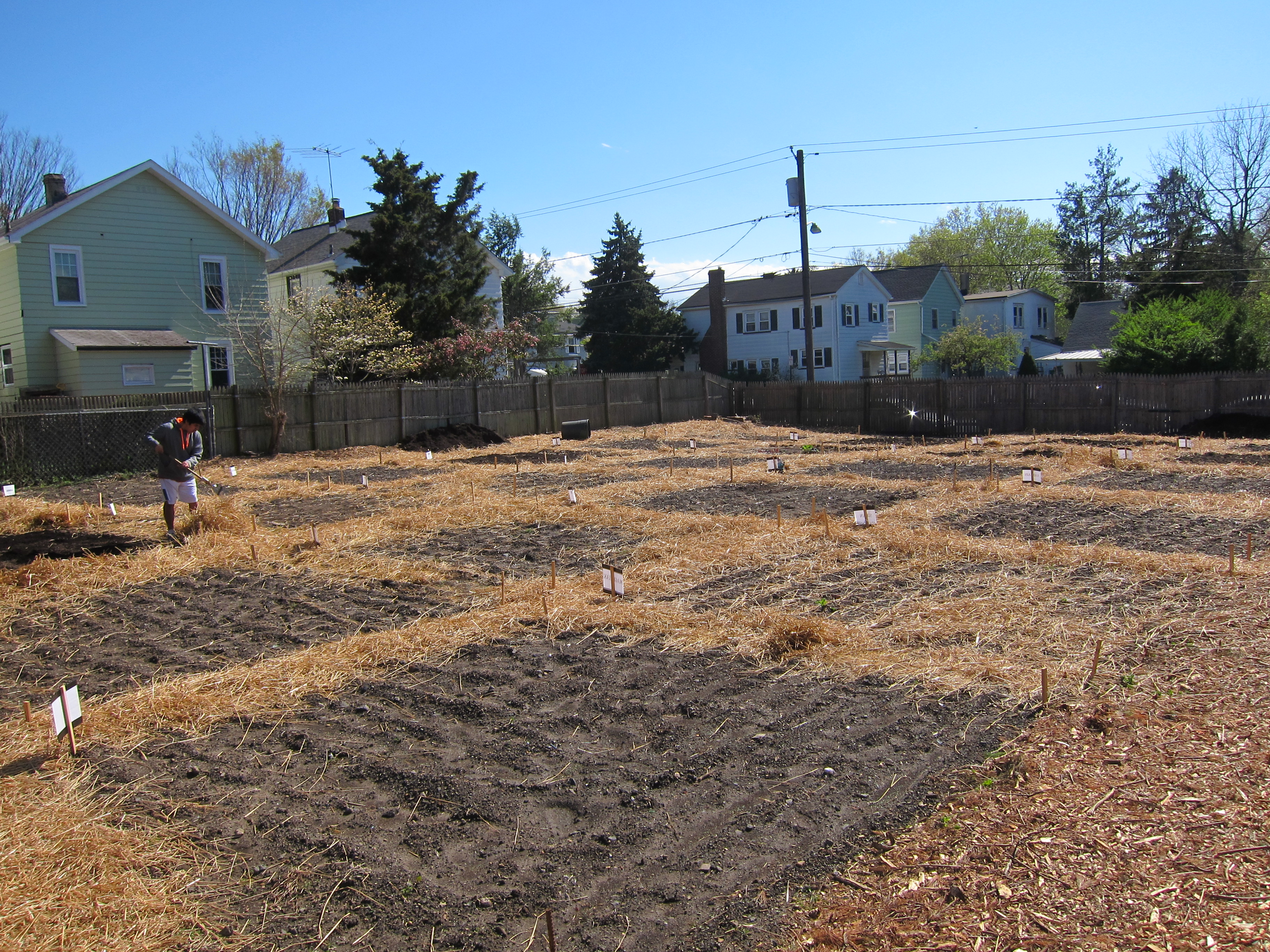
It was a good feeling to get the good news – I’d moved in the past year and so couldn’t have a front yard garden as before. I was ready to go! The only problem (but not really, in the big picture) was the Recreation Department’s follow-up detail that the garden wasn’t ready for planting yet. They said it might be ready in a few weeks – maybe by Mother’s Day – after the annual roto-tilling and plot-marking was done. In the end, they bested their Mother’s Day mark by about a week, so come the first week in May, everything was set. We were underway.

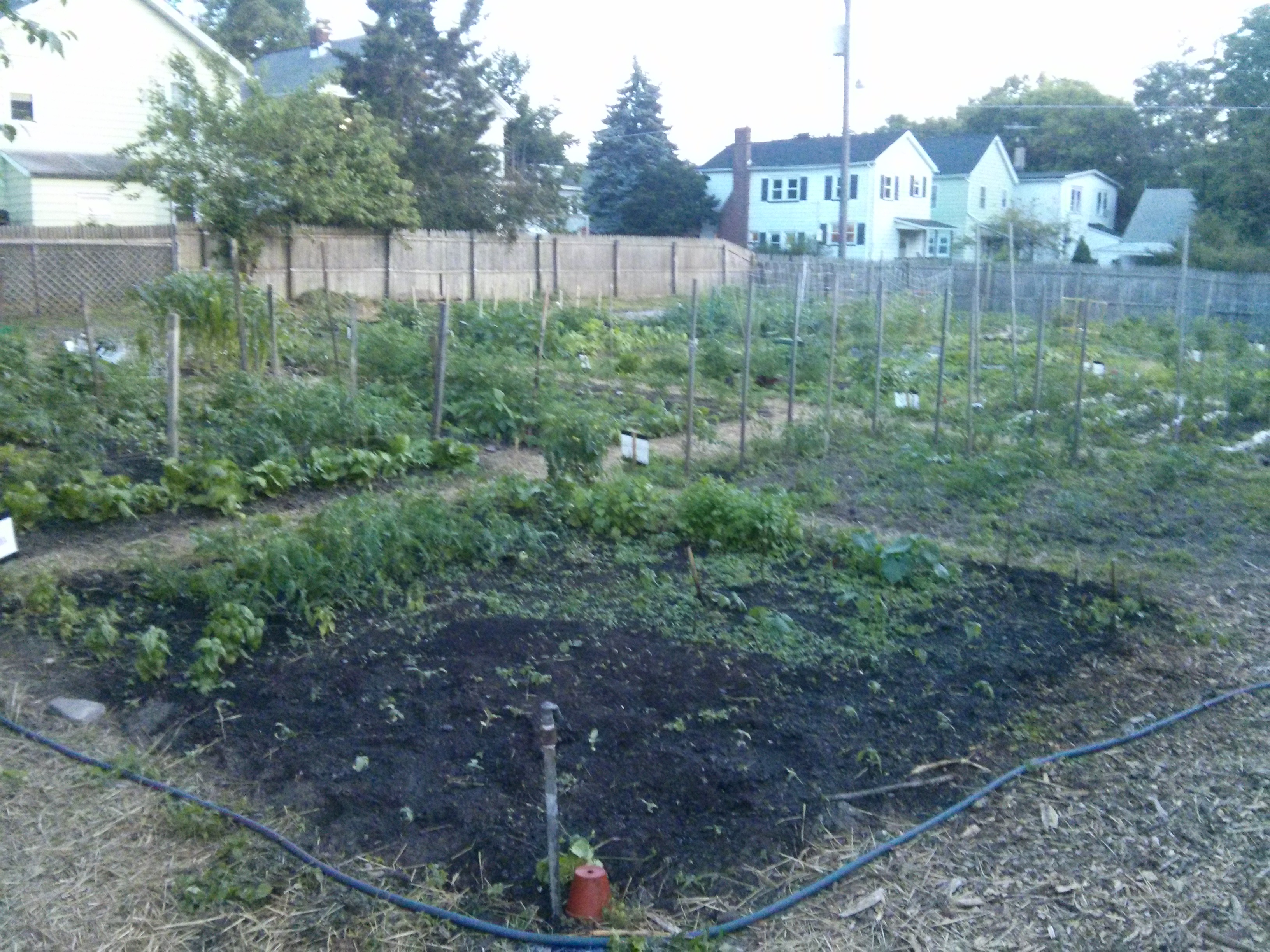
The garden area, ready for planting: a 4 x 6 grid of plots, so space for 24. My plot: center bottom here.

The community garden in early May, ready for planting. Overall: a 4 x 6 grid of plots, so space for 24. My plot: center bottom here.

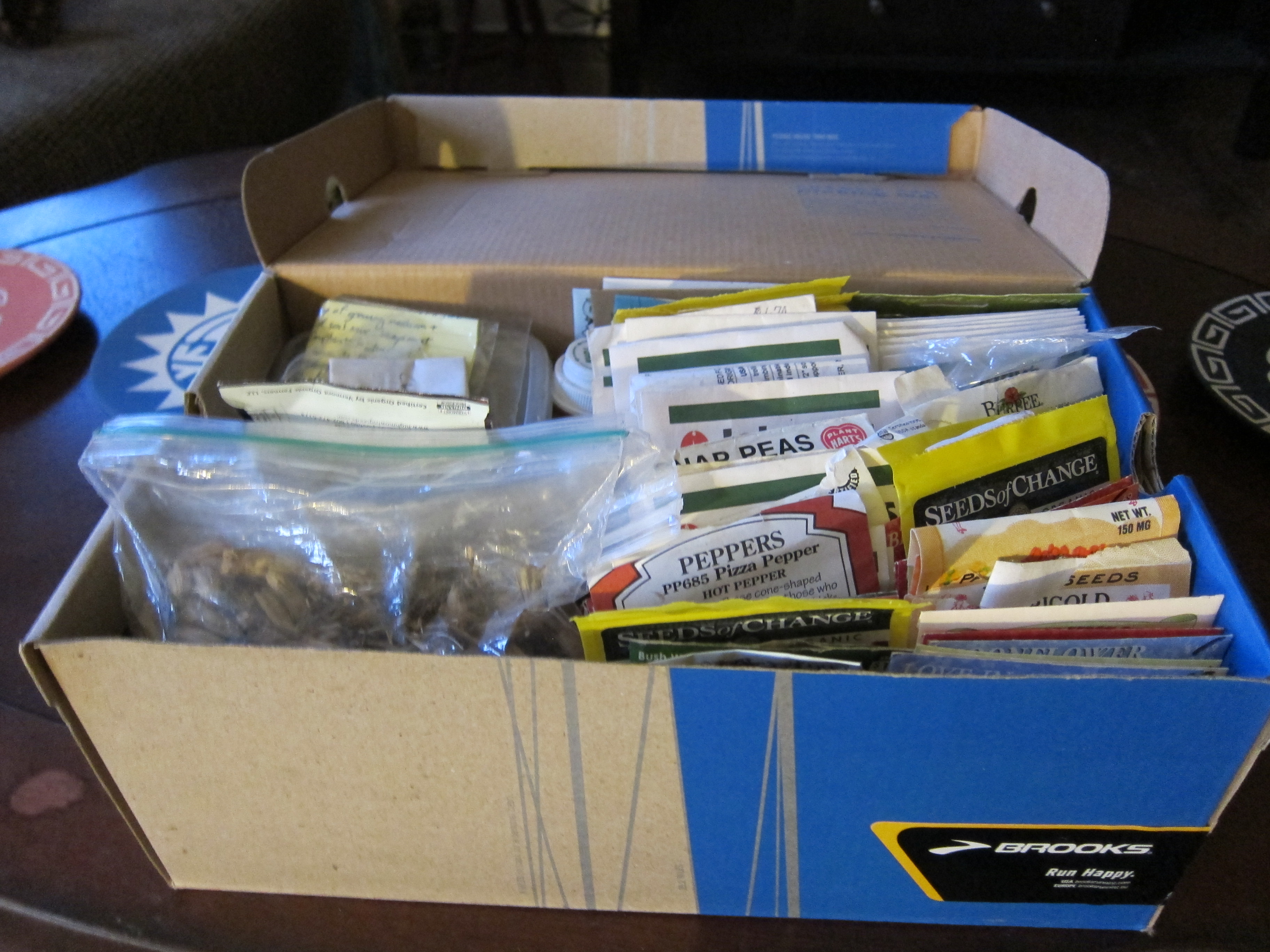
And then so what to plant? To the farmers’ market! The market!…For some plugs to transplant. And to the box! The box! …For the collection of seeds I’d accumulated over time by purchase (most of them), by gift (a few), or by end-of-season collecting (a handful).

IMG_20140618_211027

Curious to know what was inside? So was I!

IMG_3910

The view upon opening

The box certainly contained an assortment of seeds. Here are a few stats and a look at the contents:

  • Total number of seed packets/bags/containers: 109
  • Greatest amount of any one kind:  Sunflowers – 11
  • Second place:  Tomatoes – 8
  • Oldest packet:  Peppermint – 1999
  • Second oldest:  Chinese Cabbage – 2001 (two packets) (also a Hot Pepper packet and a Sweet Pepper packet – 2001)
  • Newest packet: Zucchini – 2014 (from the NOFA-NJ conference – free)
  • Second newest: Sunflowers and Carrots – 2013 (from Johnny’s – purchased)
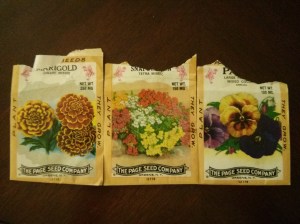
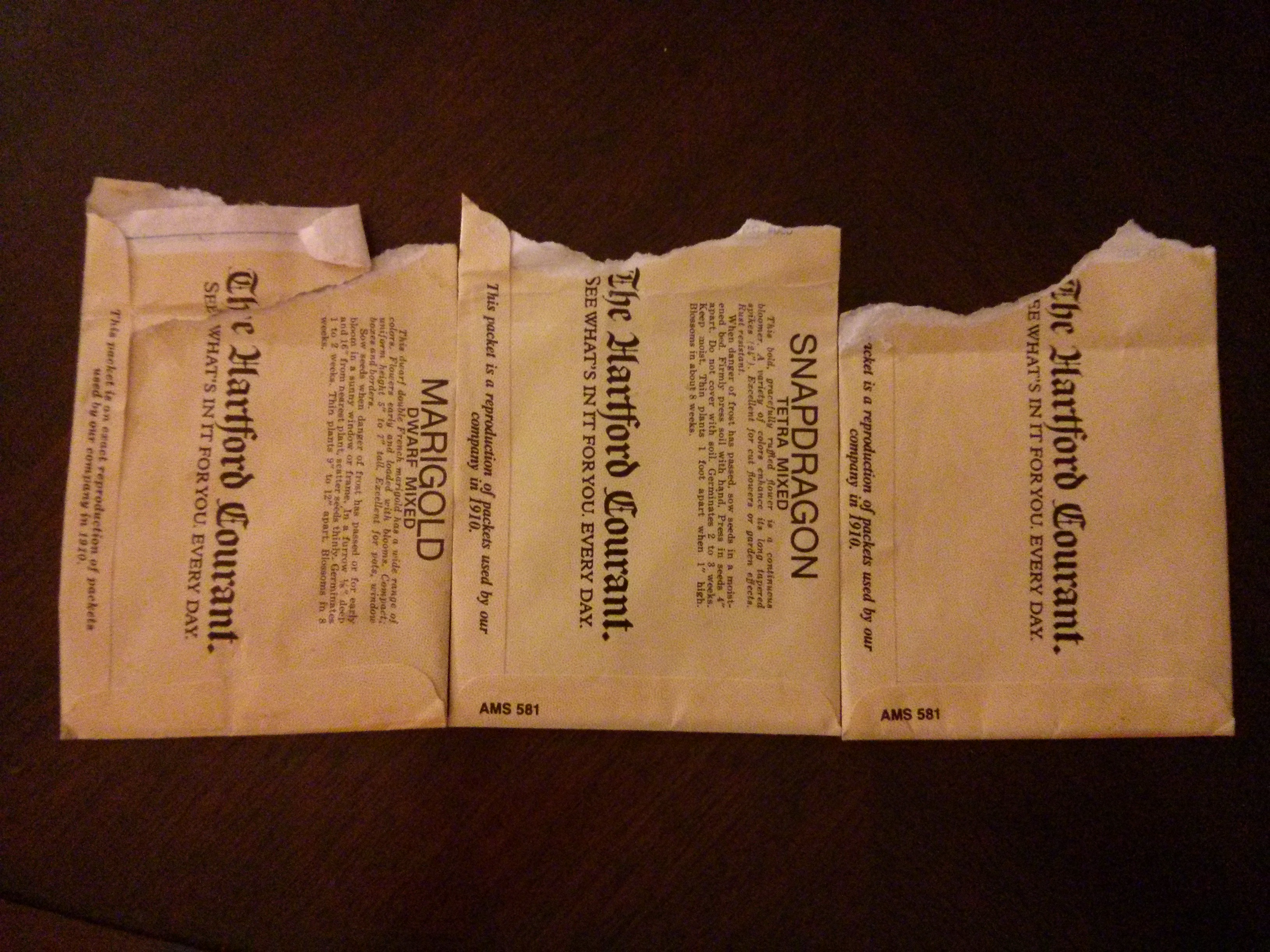
  • Packets that pack a story: Three flower packets from The Page Seed Company (Marigolds, Snapdragons, Pansies) that have the Hartford Courant imprimatur on the back

IMG_20140618_210305

I got these seeds for free over ten years ago, so now they're not so much Hartford Courant as Hartford Old seeds. Maybe one day there'll also be a Princeton Packet promotion -- and then I could get a pack of Packet seed packets.

I got these seeds for free over ten years ago while working in Connecticut, so now they’re not so much Hartford Courant as Hartford Old seeds. I have a feeling that the Courant germination rate may be similar to an Old germination rate now. I’m going to plant some and see what happens.

Maybe one day there’ll also be a Princeton Packet seed promotion, and then I could say I got a pack of Packet seed packets.

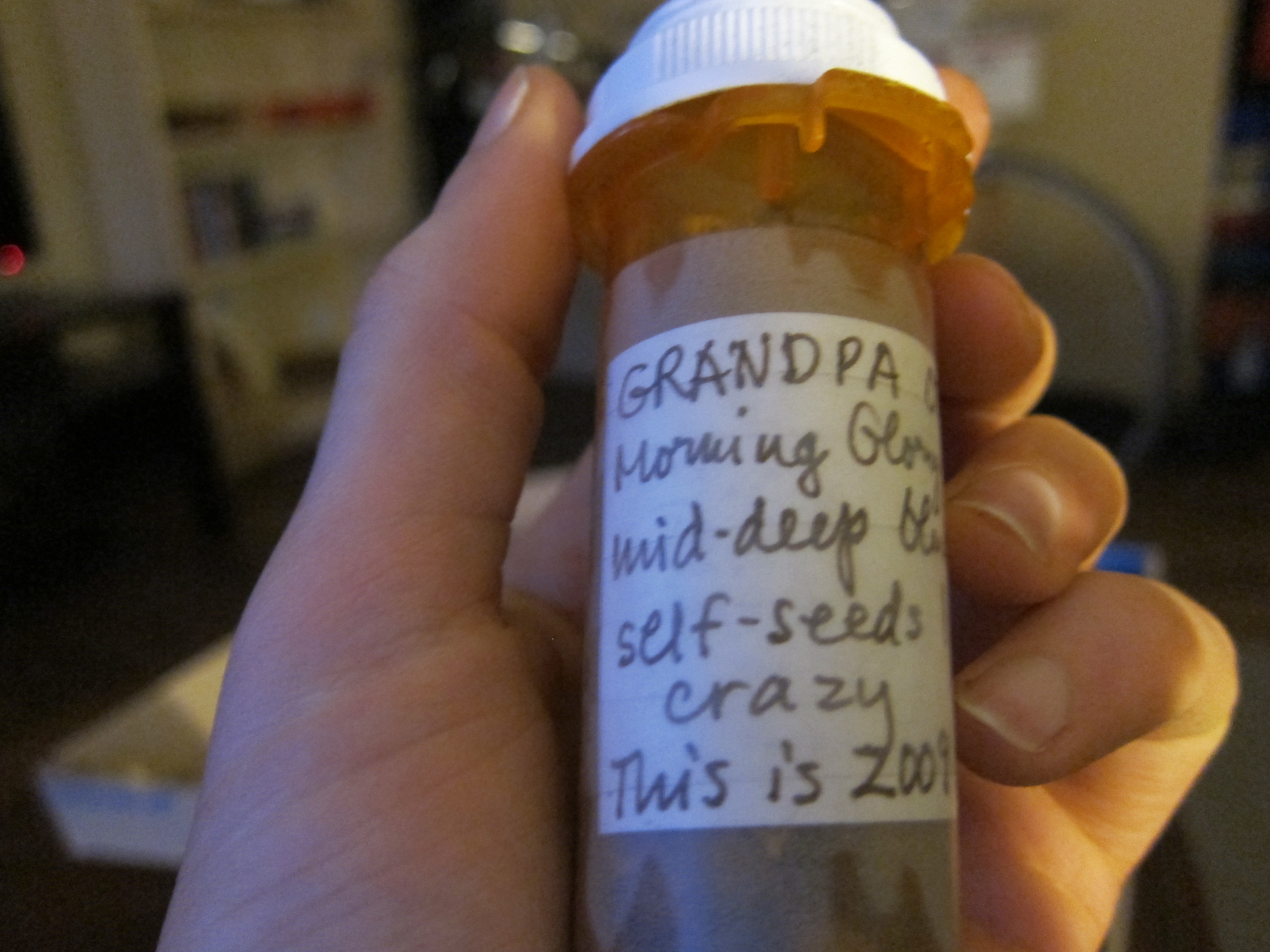
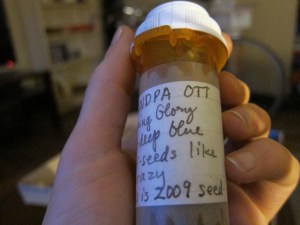
The box also contained some interesting odds and ends, like a ziploc bag full of marigold seeds, a bent spoon container with sunflower seeds, a small folded paper with some chives seeds, and a medicine bottle with Grandpa Ott Morning Glory seeds.

IMG_3920

IMG_3921 Grandpa Ott in a bottle. I don’t actually have a Grandpa Ott, but my aunt’s handwriting had me thinking for a minute that maybe I did.
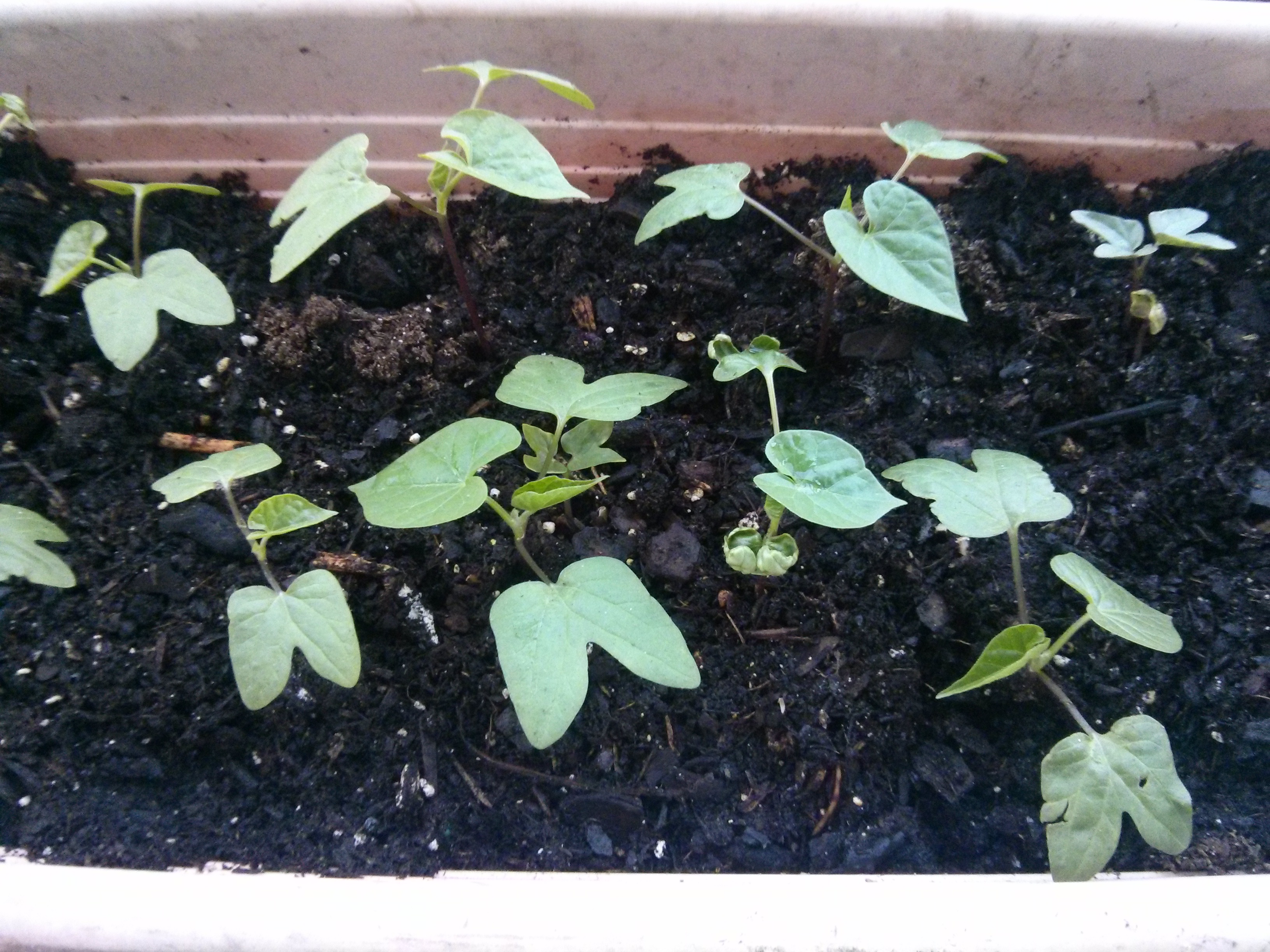
I always liked morning glories – as a kid I can remember them climbing the strings on the side of the house all the way up to the attic fan, and I can also remember being inside the attic looking out, seeing the morning glories almost trying to come in – so it was an easy decision to plant some of these. Plus, there’s the awesome medicine bottle storage! I definitely wouldn’t have to worry about little kids eating the seeds and then having morning glories sprout in the their stomachs. (To be honest, morning glories probably wouldn’t sprout in their stomachs, but I heard it might be a different story with watermelon seeds, which kids could consume with a greater frequency).*

IMG_20140618_201517

First I planted some morning glories the garden. This is how they look in mid-June, a few weeks after sprouting.

IMG_20140618_195648

I also planted some in a planter by my house. My next step here will be to talk with my neighbor about some strategic planter placement to see how Grandpa Ott feels about climbing a fire escape.

Of the other interesting odds and ends above, I also tried planting the marigold and sunflower seeds in the garden, but apparently they didn’t share the same vigor as the morning glory seeds and decided not to come up.

No matter though, at least for the sunflowers. I dipped into my multitude of other seed packets and found success there.

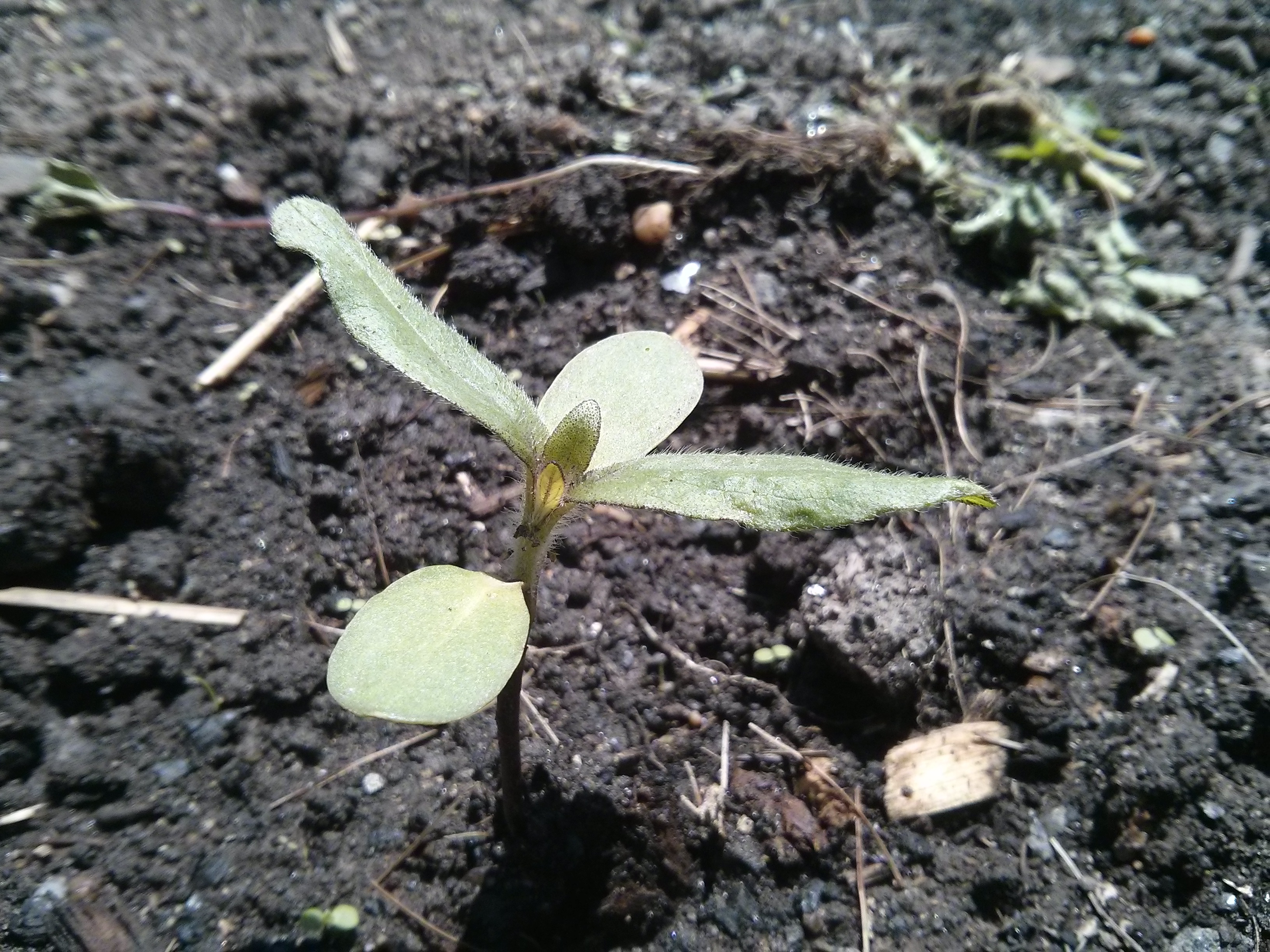
little sunflower

A little baby sunflower in mid-June. Now imagine about 30 of these in close proximity, and then imagine all of them all grown up and with lots of beautiful flowers. And then remember to check back here in a few months to see if your imagination matches how this portion (about a quarter) of the garden plot turns out.

As for the rest of the plot, I have about 4/5 of it planted now after a month and a half. I transplanted about 10 tomatoes (mostly of the sauce and paste variety), 4 hot peppers (of the some degree of hot variety), and 6 basil plants (of the traditional Genovese, goes well with tomatoes and other things variety). Thank you by the way local community farmers’ markets and New Jersey farmers for the seedlings. In terms of what came up from the seeds I planted, I also have radishes, cilantro, cucumbers, and zucchini growing in the garden.

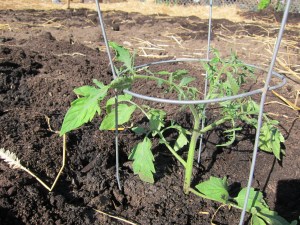
tomator

One of the tomatoes, shortly after its mid-May transplant

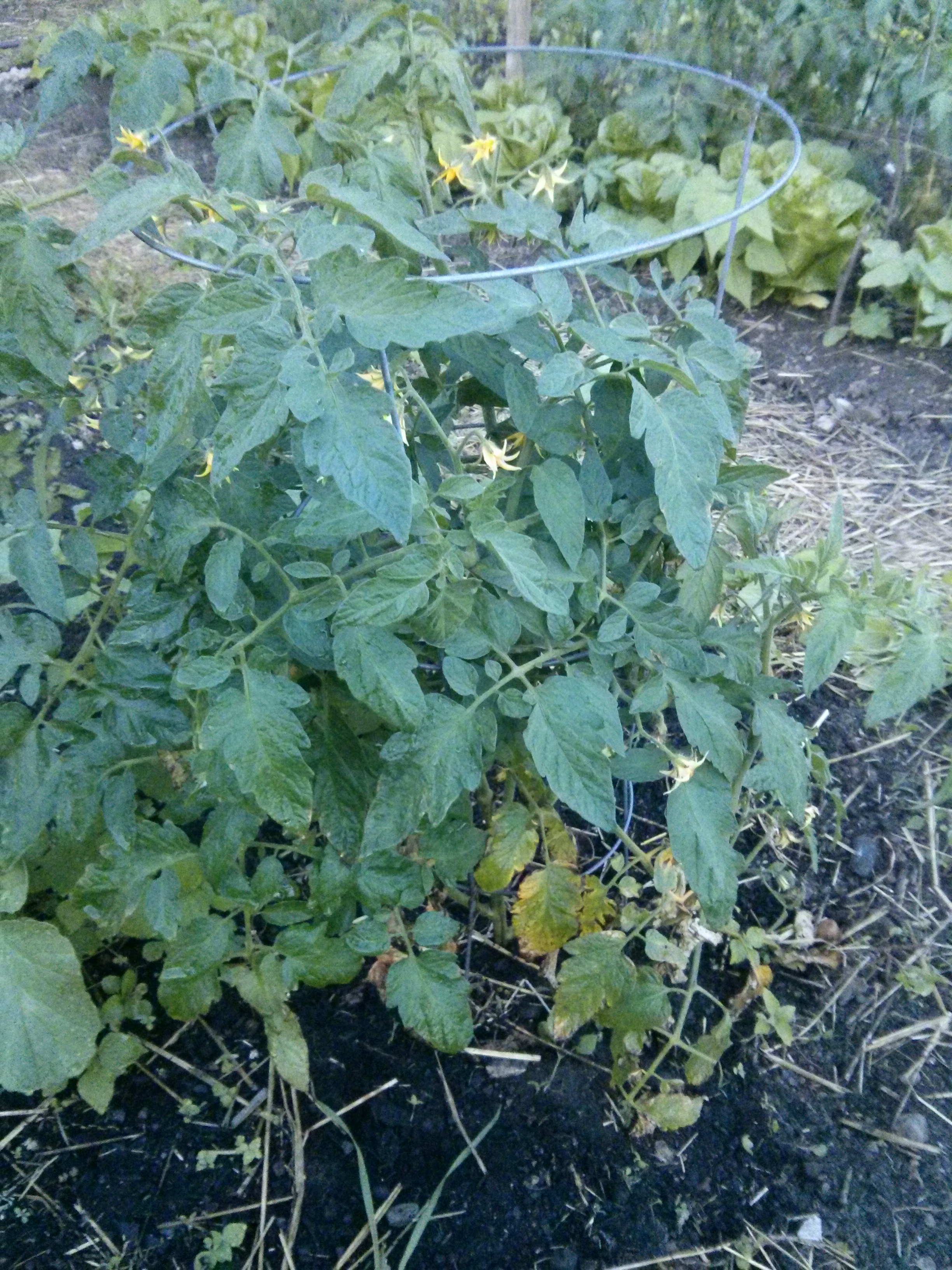
tmator

The same tomato, now in mid-June

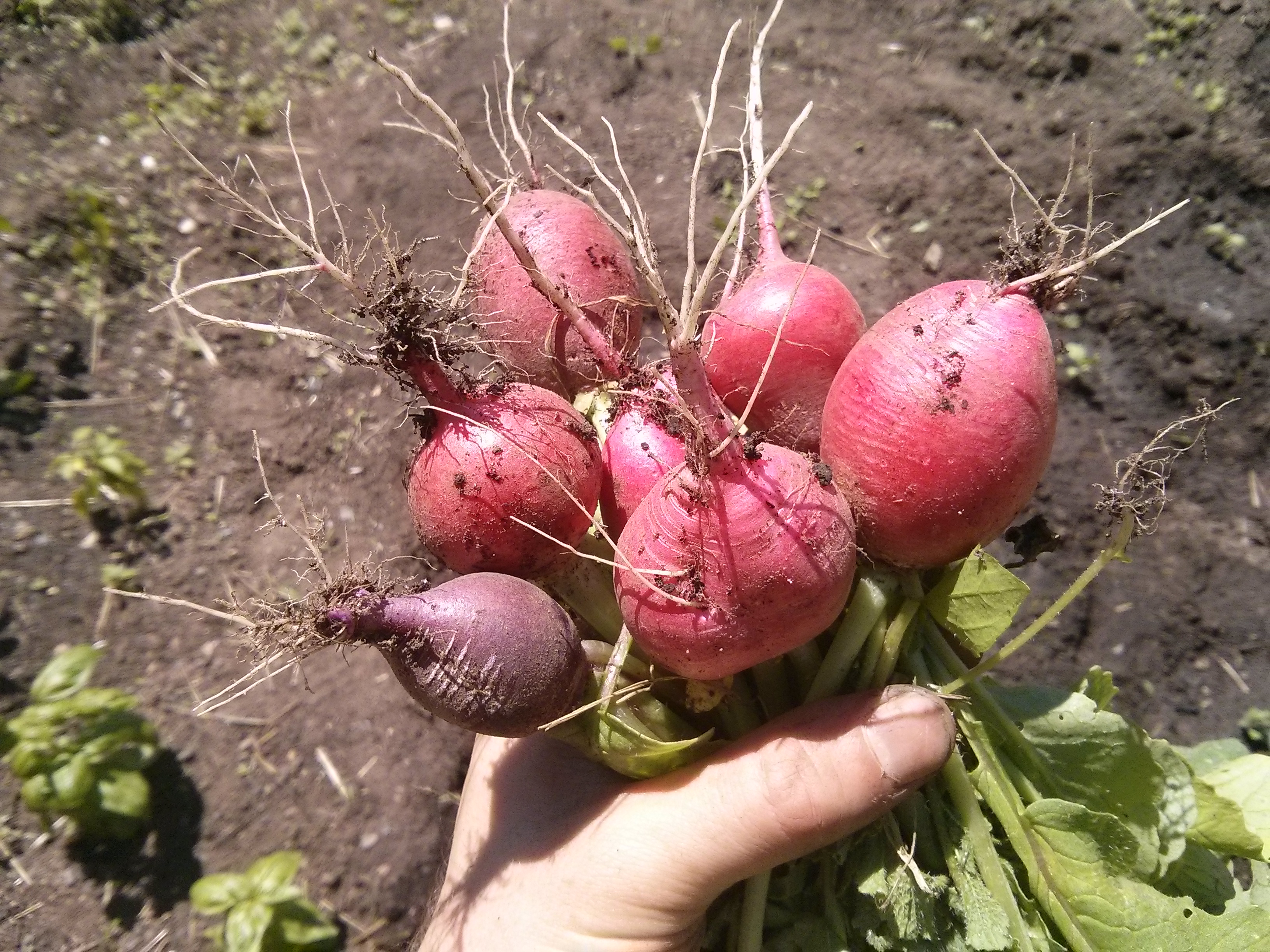
IMG_20140615_143502

Radishes, harvested this week

IMG_20140615_143521

Same bunch

IMG_20140615_145323

Nothing says instant garden gratification like a bunch of radishes

cilantro

Then again, cIlantro’s also a quick pleaser


IMG_20140618_202944

And another look at the garden, mid-June. The sunflowers will likely feature more prominently in future looks, hugging the bottom corner and all along the right side.

Overall, so far so good, and more to come.

Asparagus and beets, for the win

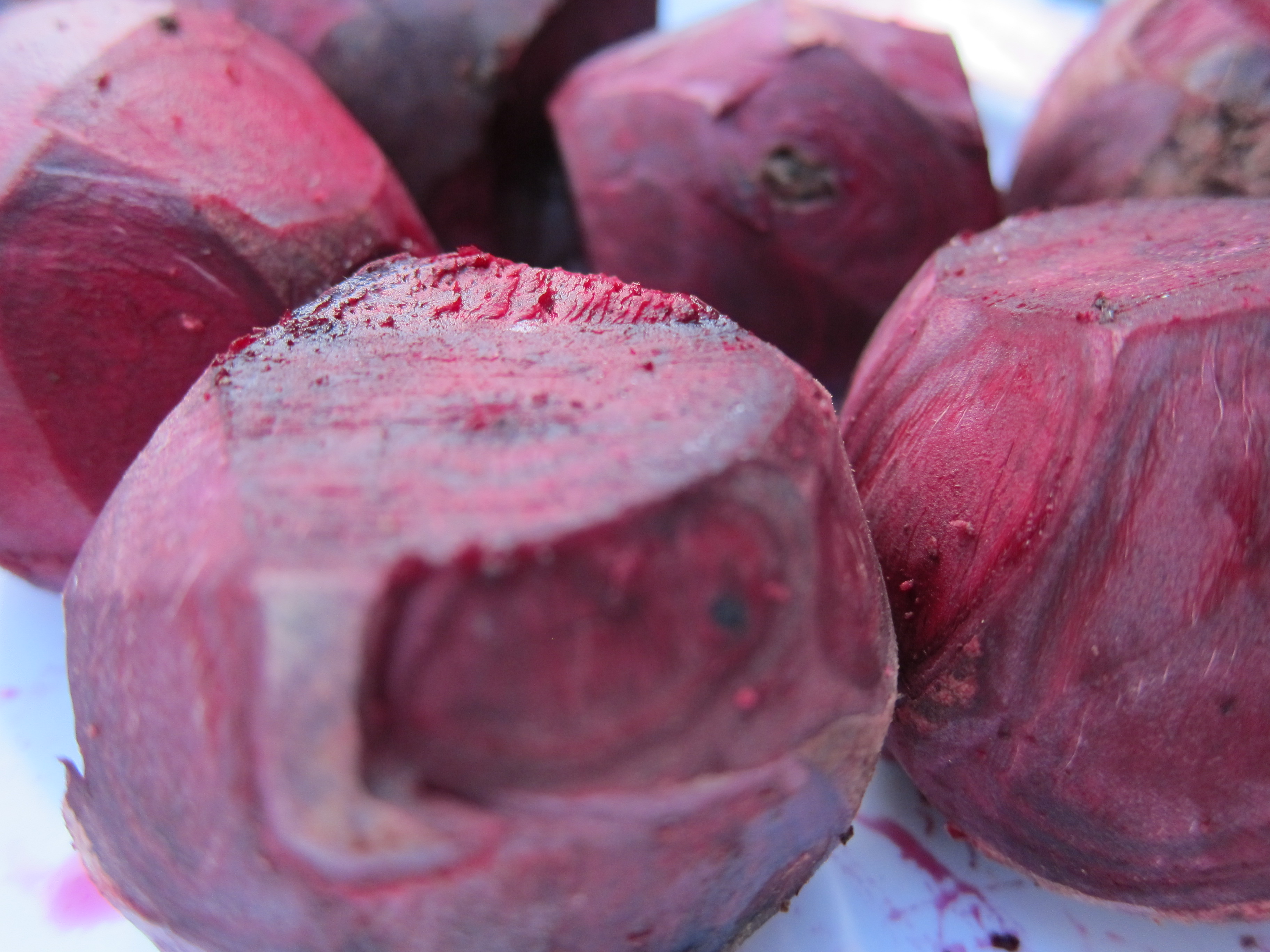
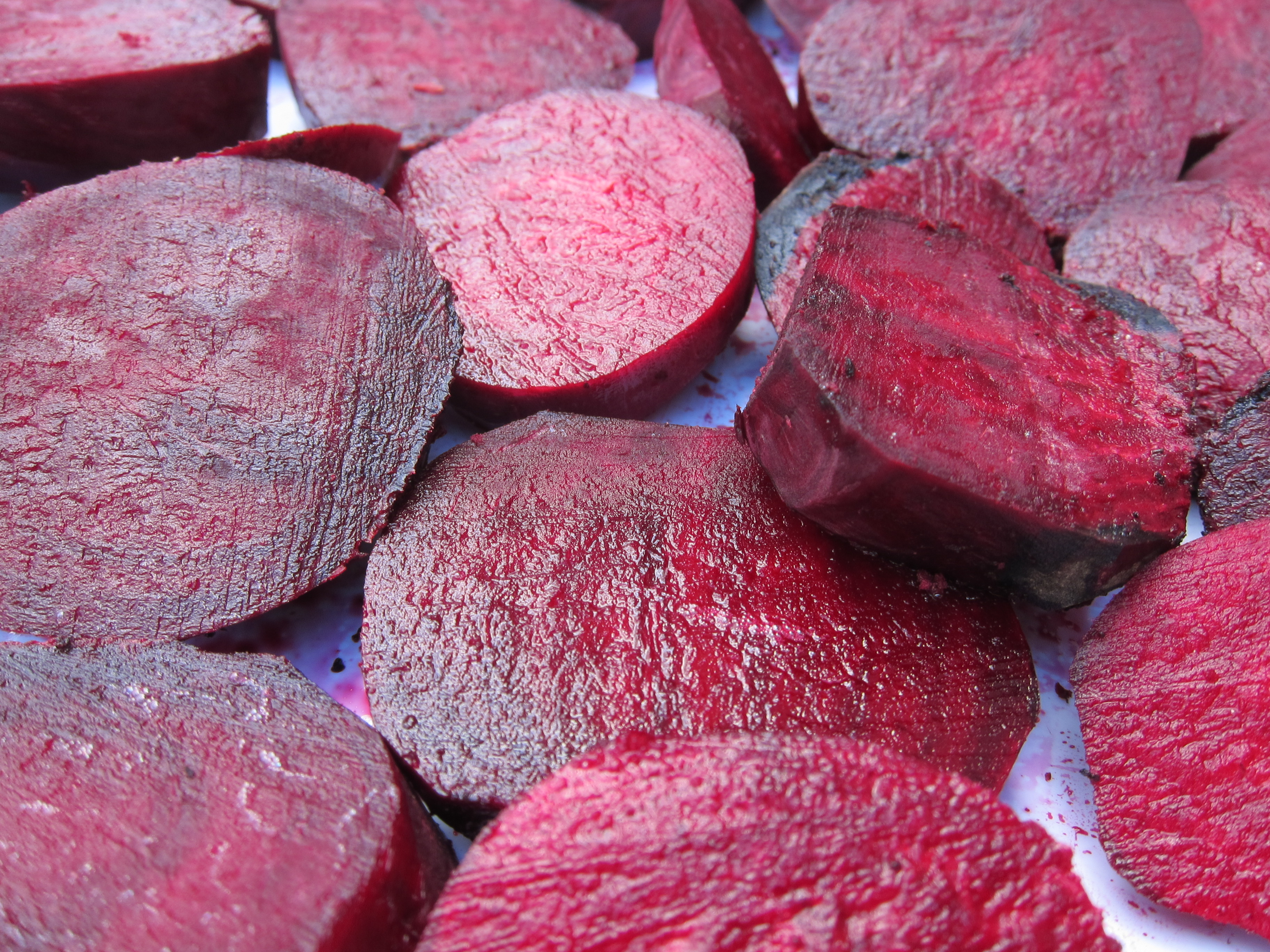
It’s always nice to bring something to the party. In the case of the baby shower I went to two weekends ago, it was asparagus and beets.

My friends, the parents to be, had advertised it as a barbeque, and on my way there I stopped at the farmers’ market where I found my presents — some first-of-the-season asparagus and beets for the grill. Little did I know the veggies would provide not only fodder to make the father fatter (actually he’s pretty fit, and they probably made him thinnier), but also fodder for further fun from the author (more to come below).

IMG_3883

The beets at the market, prior to purchase

IMG_3885

Some additional products for sale that day. Maybe next time, I’ll get some of these too.

It was a nice day outside – as well as the opening day of the market – and as I was shopping, I ran into a few friends, said hi to a few farmers, and happened to see my dad’s cousin, whose band was providing the entertainment.

After arriving at the bbq bby shwr and saying hi the future mom and dad, I found the final ingredients and tools I needed for the asparagus and beets – olive oil, salt, and a vegetable peeler and knife. The prep work was pretty easy.

Grilled beets and asparagus

IMG_3887

1. Use that peeler

IMG_3890

2. Slice the beets. And then toss them in a bowl with a little olive oil and salt.

IMG_3895

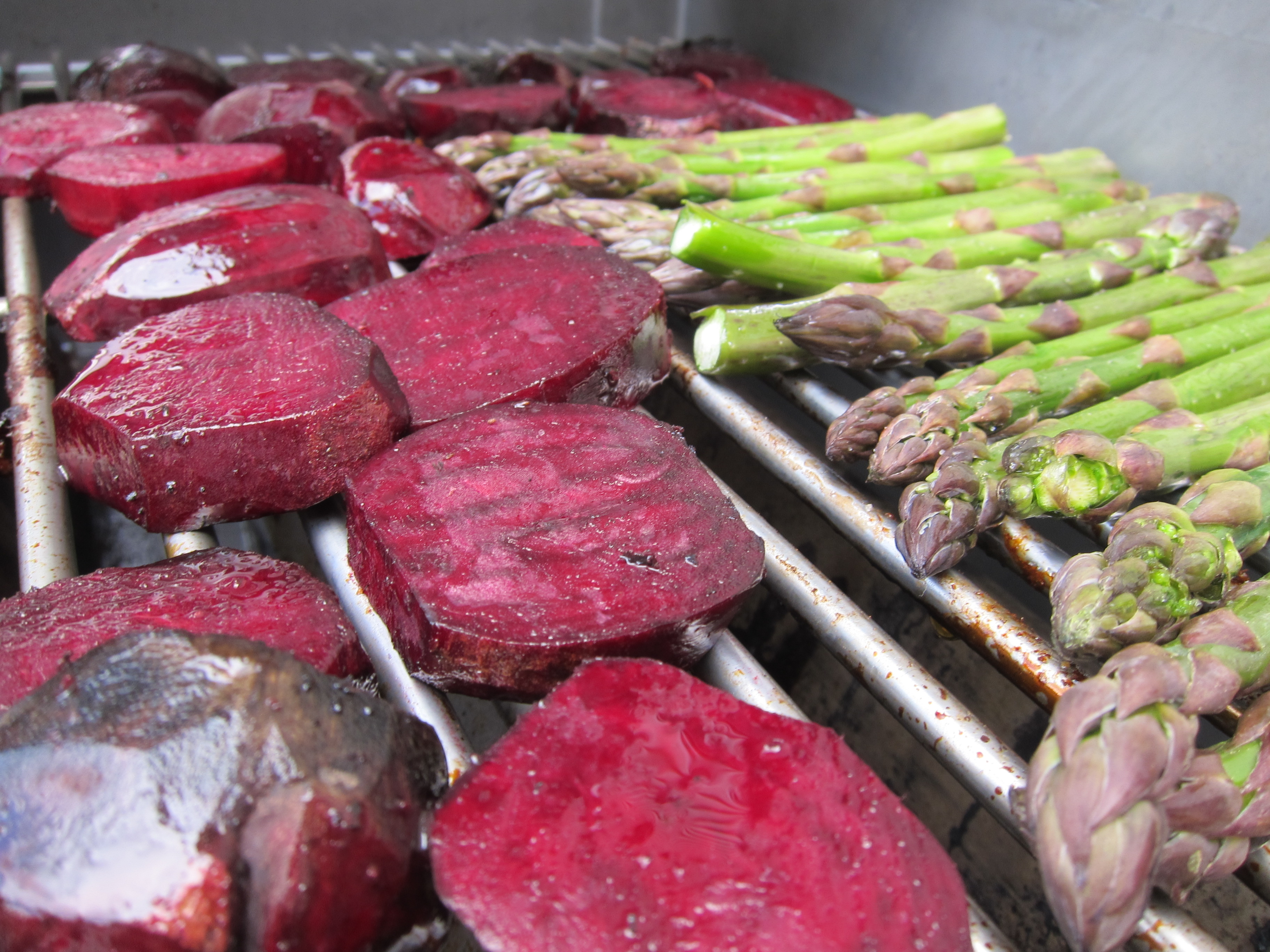
3. Add the beets to the grill. And also add the asparagus, after similarly tossing with olive oil and salt.

It took a while for the grill to heat up – I will say that swapping in a new gas tank for the old one turned out to be an important step in that process – and it was at some point as we were waiting that I remarked, ‘Asparagus and beets, they’ll do a one-two on your 1-2.’ I said it without thinking, which immediately boosted my pun self-esteem. It also reflected the probably higher-than-average number of times I’ve eaten asparagus and beets in my life and then noticed the impacts afterwards. You know, those things they do to your pee and your poop – or in the case of me, to mine. Smell one, see two. For one, a little different whiff. For two, a little brighter boomer. Yes, you know what I’m talking about. Or just now googled something like beet poop color.

If that’s too much, just scroll down to Part two below. I got the idea for some further verse while riding my bike to work this week.

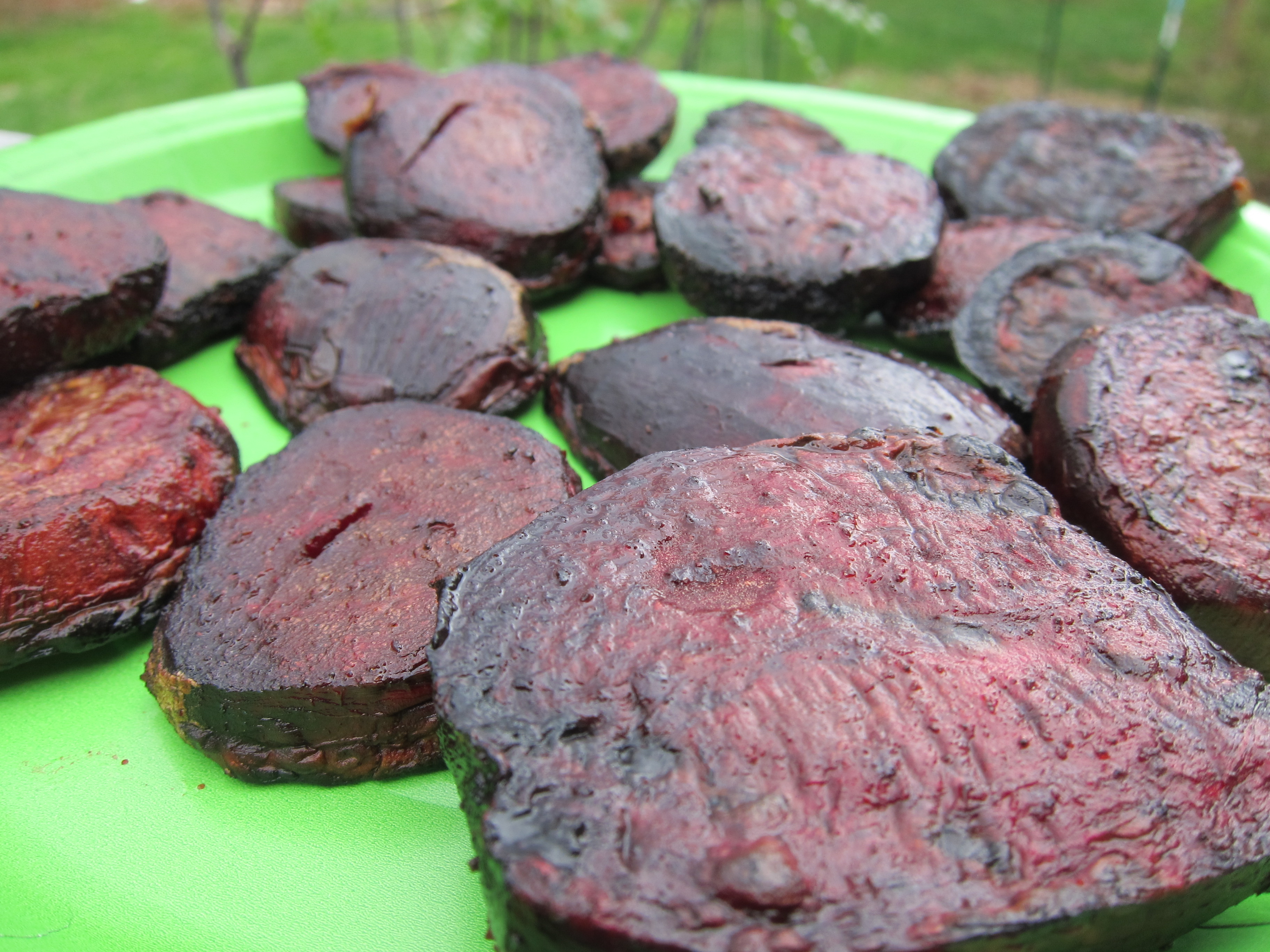
First though, here’s a final look at the veggies from the grill, cooked medium to well-done in places, and presented on green plates.

The beets, after grilling

The beets, after grilling

IMG_3896

The asparagus, also after grilling, as you can see

The beets had a nice crunch and the asparagus was good too, though I did cut the charred spots away before putting the spears out. Later on that day, I also confirmed my past understanding of what asparagus and beets and can do. And then this week, I wrote the rest below, proving that asparagus and beets, as veggies, can win in more ways than one (and two).

Part two

Asparagus and beets, for the win

If you want to
Do a one-two
On your 1-2,
Asparagus and beets are a go to.

Not sure if my niece likes them, but she’d say they’re a Go Food,
As opposed to soda, that’s a Low Food.
But these two veggies, it’s ‘bout more than the pun ‘tude,
Sniff and see results on parting, for 1 tap those lungs, dude.
And for 2, see that toilet post lunch view,
If the beets done right, there’ll be some extra red fun poo.

Hey potty humor is fun too.
Not like I’m talking ‘bout the runs, ewww.

Want more? Head past a farm where a cow mooed,
In satisfaction for dropping loads that have now stewed.

Aw come on, don’t be a fun prude.
We’re talking digestion and how to enjoy, not shun food.

Last post I mentioned how while running, I’d done GU’d,
It kept me going – that’s what she said, on that sign with a pun lewd.

I bet there’s some clergy that run too,
Do some wear that habit, to hide their nun-do?

But back to two friends, who’d done woo’d,
And knocked around, parts exposed to the sun, nude,

Of the many wishes and bunch of views,
Here’s one more, hoping the baby from day one coos.

Matzah Lasagna

And now, for my first act of Passover cooking… Matzah Lasagna. (Make sure to say it in an Italian accent. Or a magician accent. Or both.)

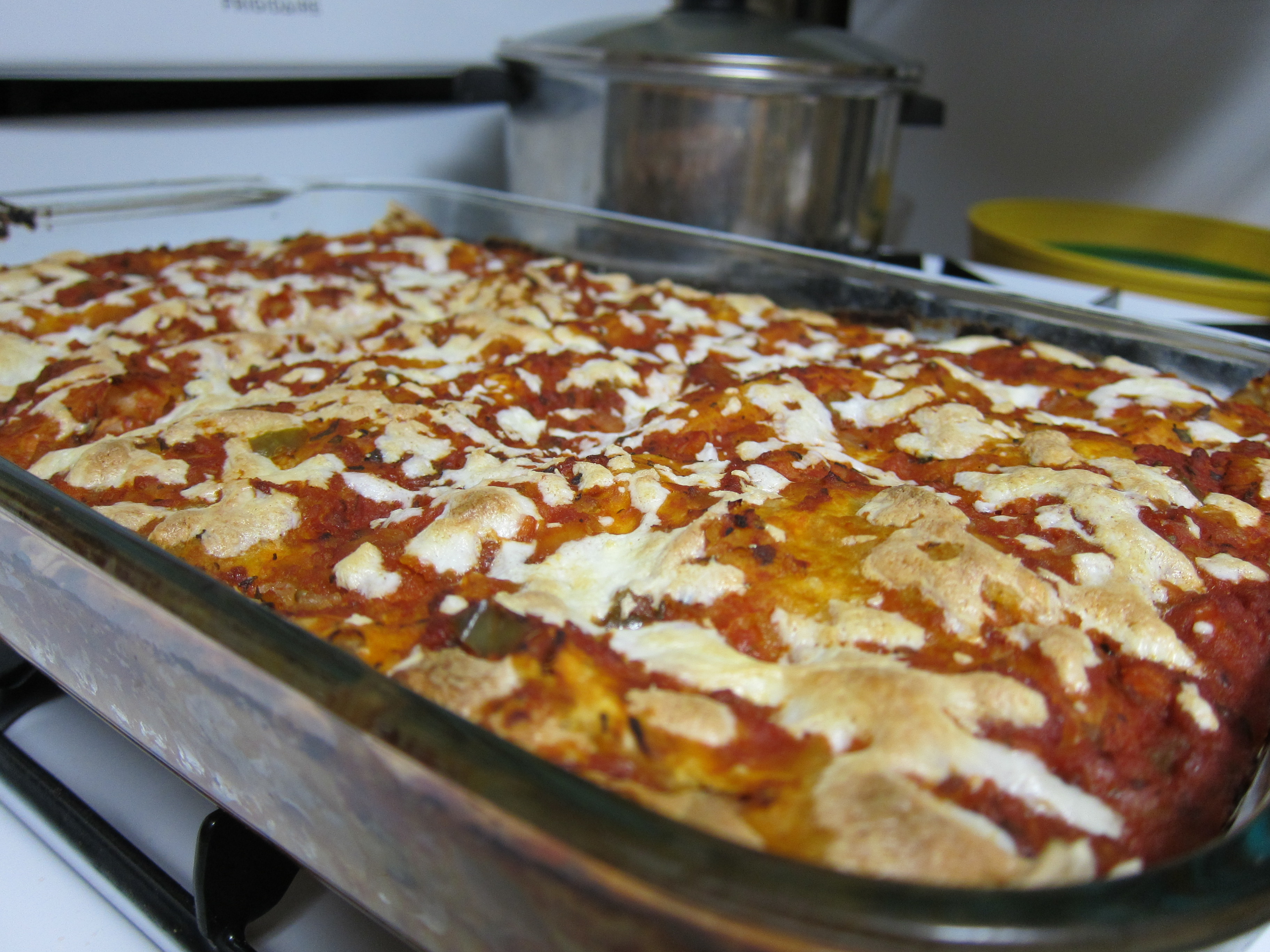
matzah lasagna

Matzah lasagna!

I made this for dinner last night, having gotten the idea after a few minutes of searching the phrase, “Passover dinner recipes,” and seeing lasagna turn up several times. (Thank you internet.) Having made lasagna in the past, I thought, How hard could it be? You just need to remember one important substitution! (Matzah for the noodles)

For the recipe, I kind of made it up as I went along. What appears below is what I wrote up after I was done.

Matzah Lasagana

7 pieces of Matzah
28 oz homemade tomato sauce
1 bunch swiss chard
15 oz ricotta cheese
2 eggs
1 Tbsp dried oregano
1/2 teasp salt
10 oz mozzarella cheese

Here’s how to put it together:

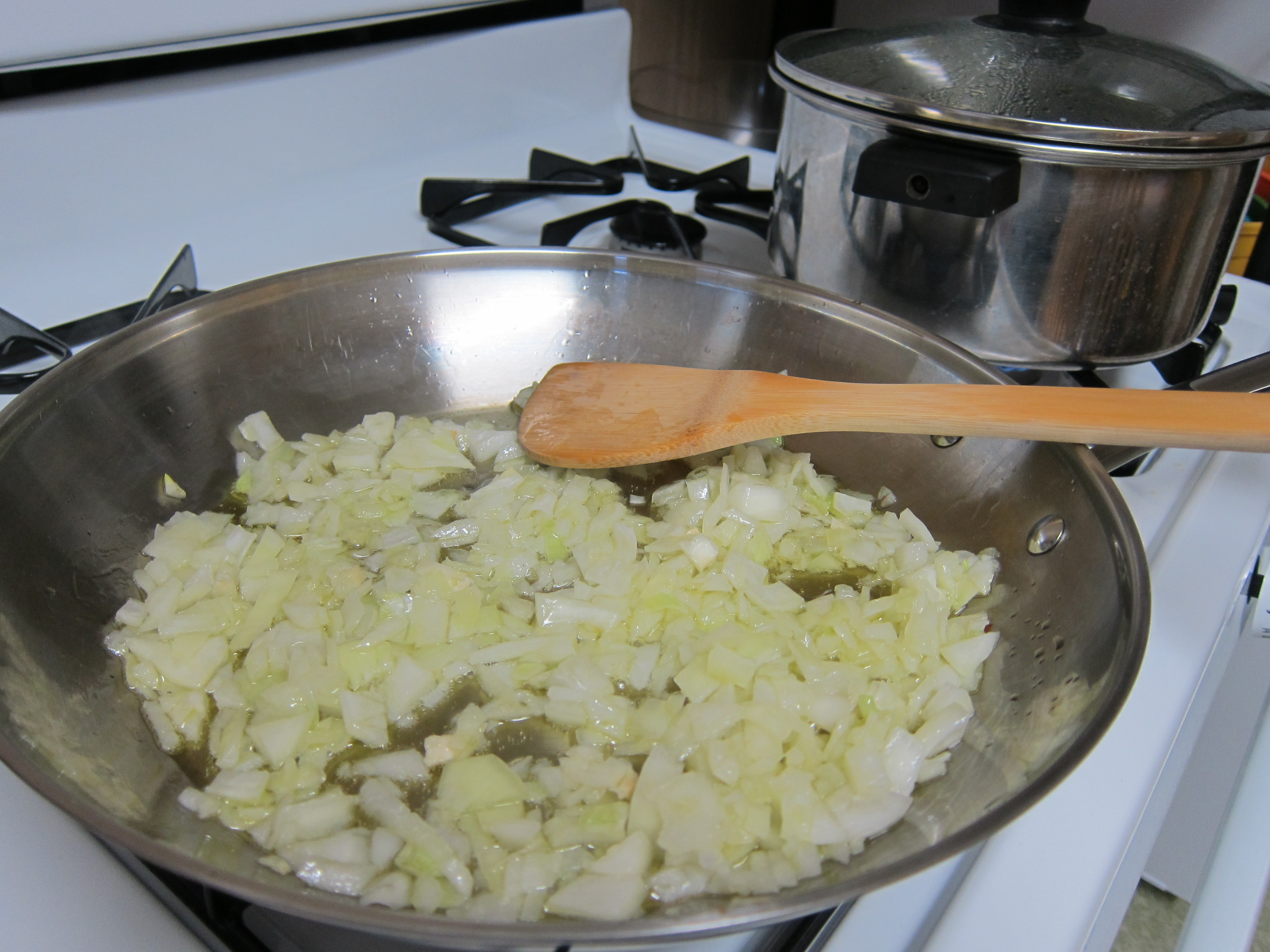
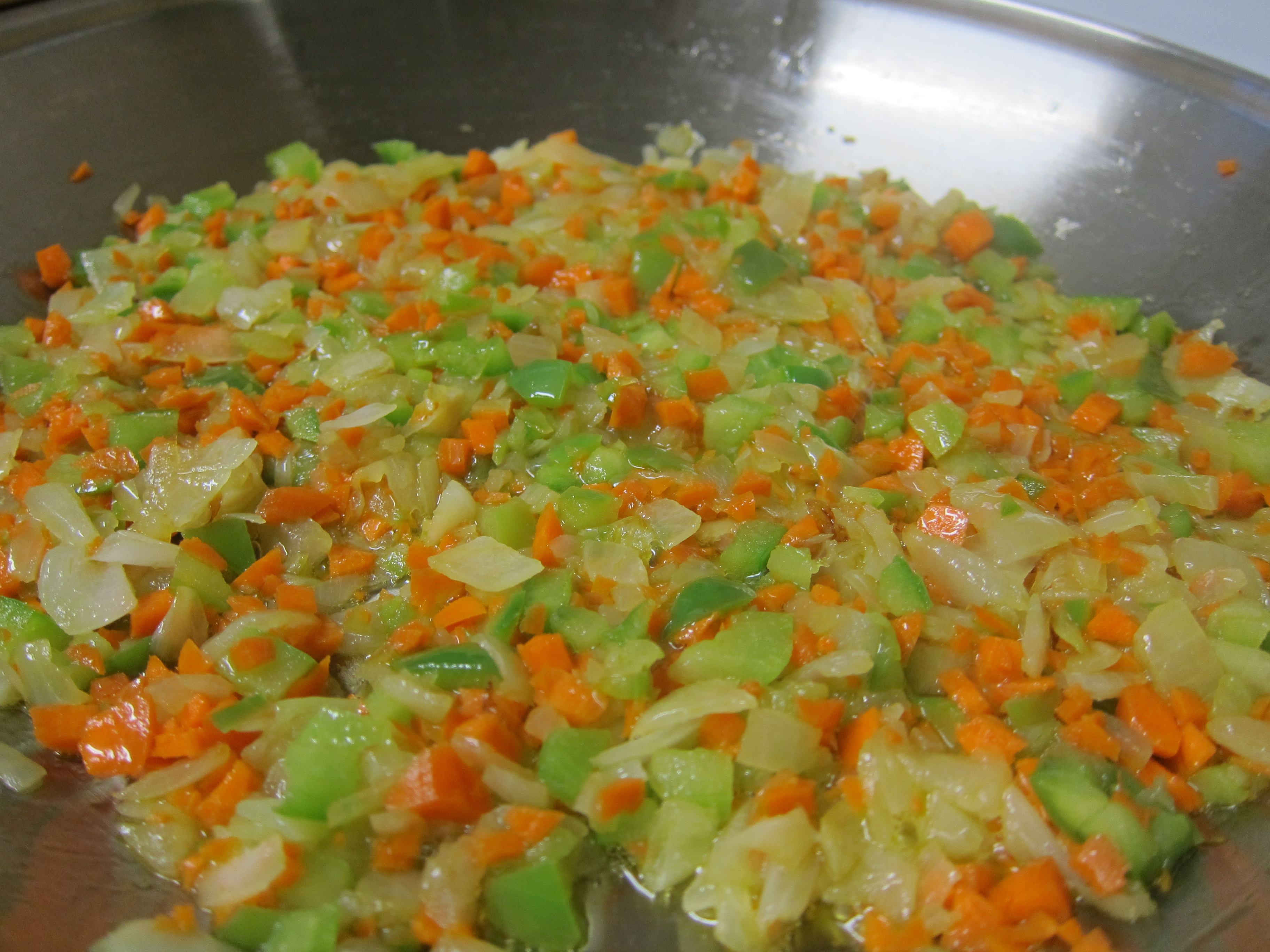
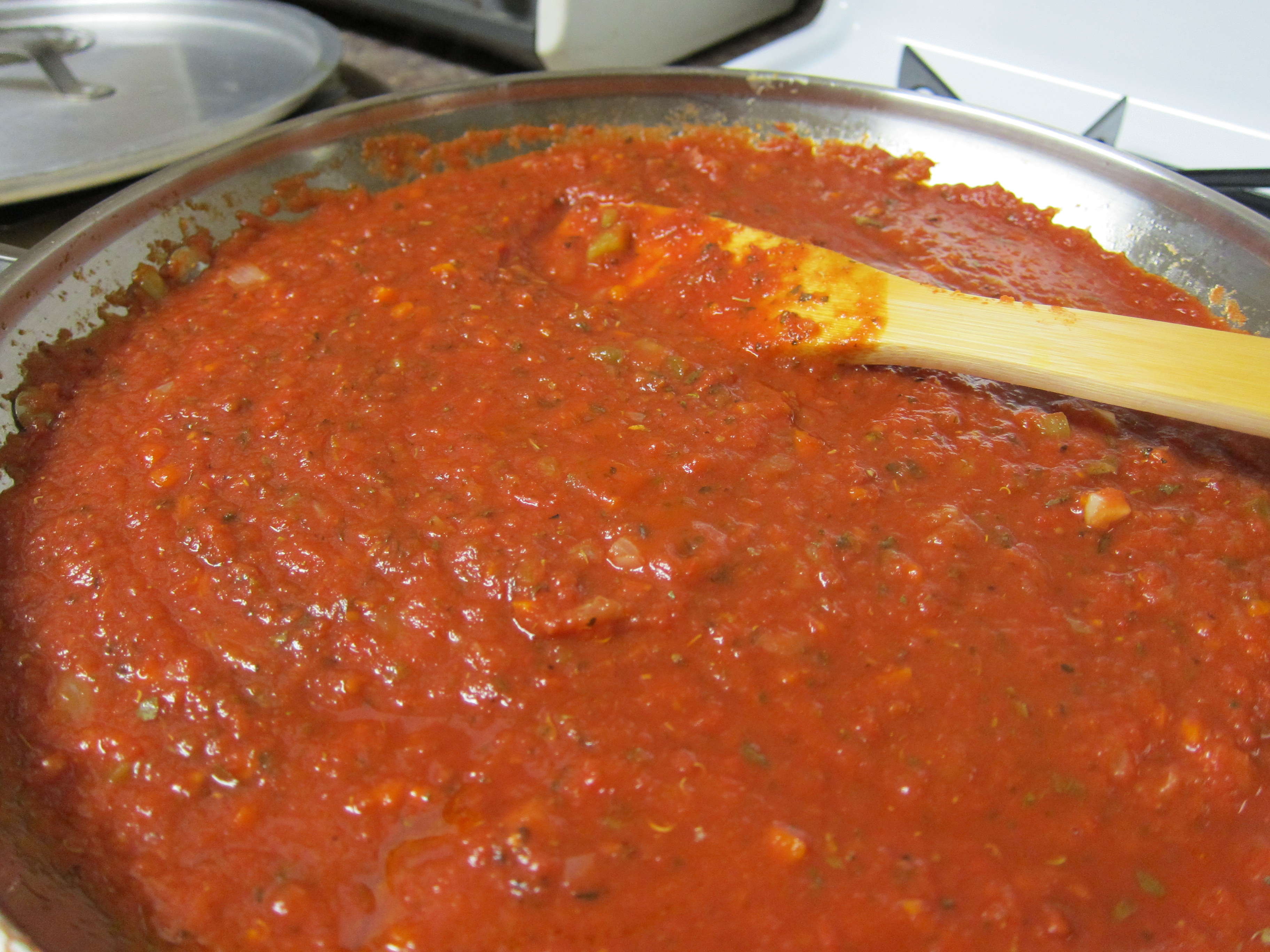
  1. Make the tomato sauce. (You can also use sauce from a jar, but I usually make the sauce. Yesterday I sauteed an onion, green pepper, and carrot in olive oil, and then I added a can of crushed tomatoes and some dried basil, dried oregano, salt, and pepper. More details on sauce in a future post.)
  2. Prep the matzah. (The internet seems to say to soak it in water for a minute or two, and then drain the water. I soaked it for 10 minutes because I forgot about it. I can tell you that 10 minutes isn’t necessarily too long, but the result was more difficult to work with.)
  3. Chop the swiss chard leaves, and saute them until wilted and soft. (If you want to save a little time, you can skip the chard. Or use frozen spinach. Or also put in/not put in additional vegetables or ingredients.)
  4. Make the ricotta mixture by mixing the ricotta, eggs, chard, dried oregano, and salt. (Some of the recipes I saw called for cottage cheese, but I went with ricotta.)
  5. Add the layers to the baking pan (9″ x 13.5″) to make the lasagna:
    – Spread about 1/2 cup of sauce in the pan (an initial sauce layer)
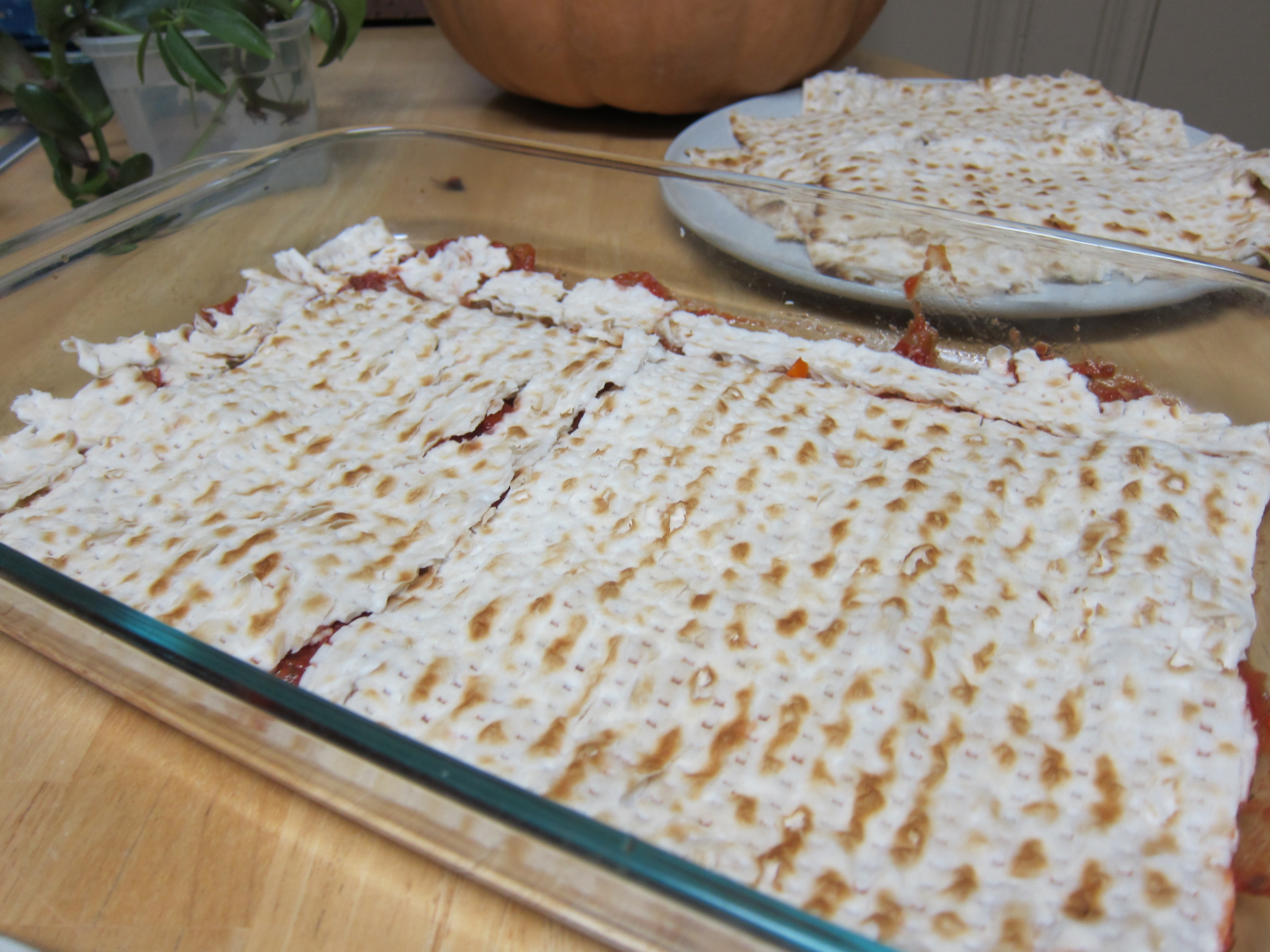
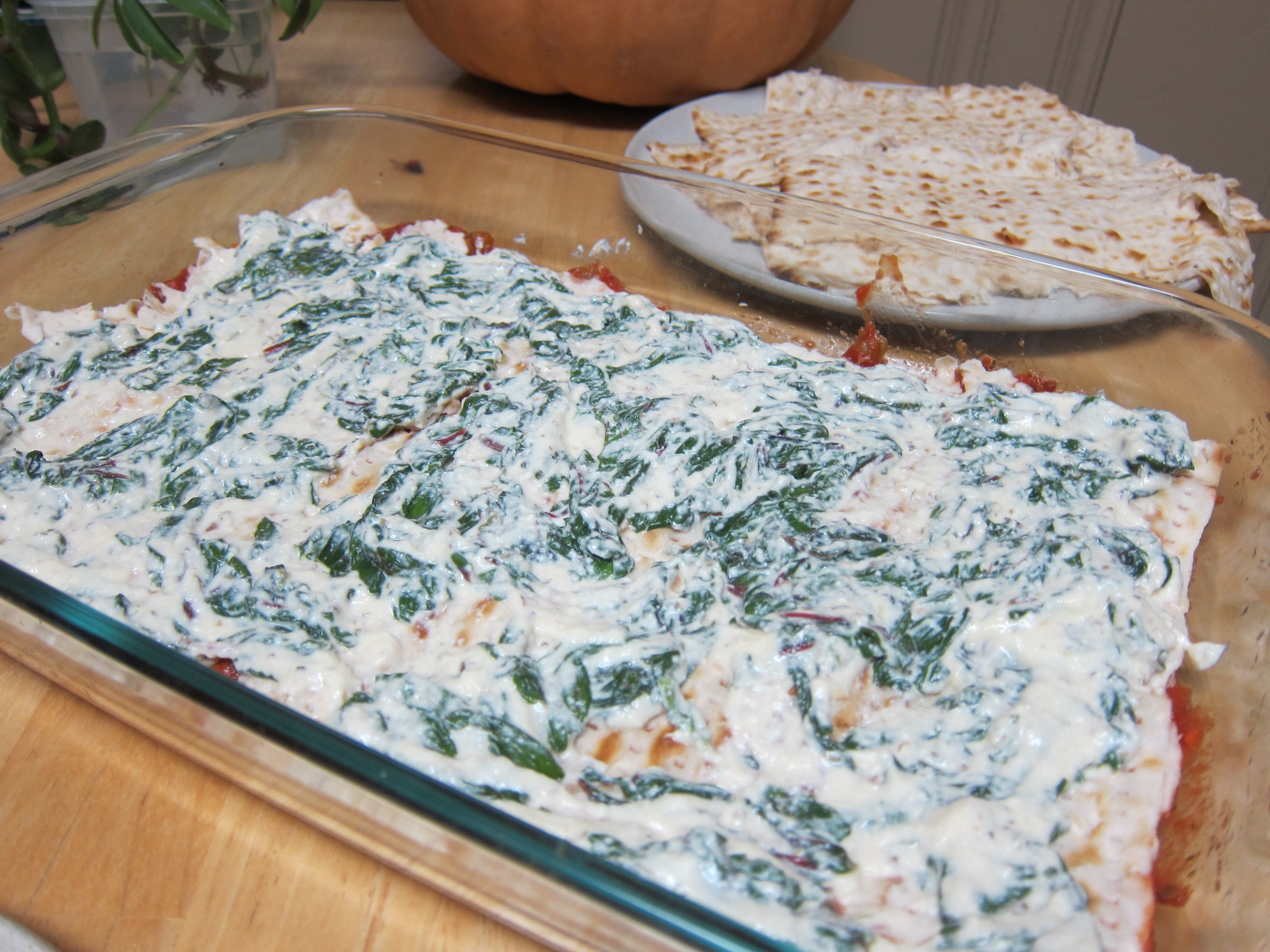
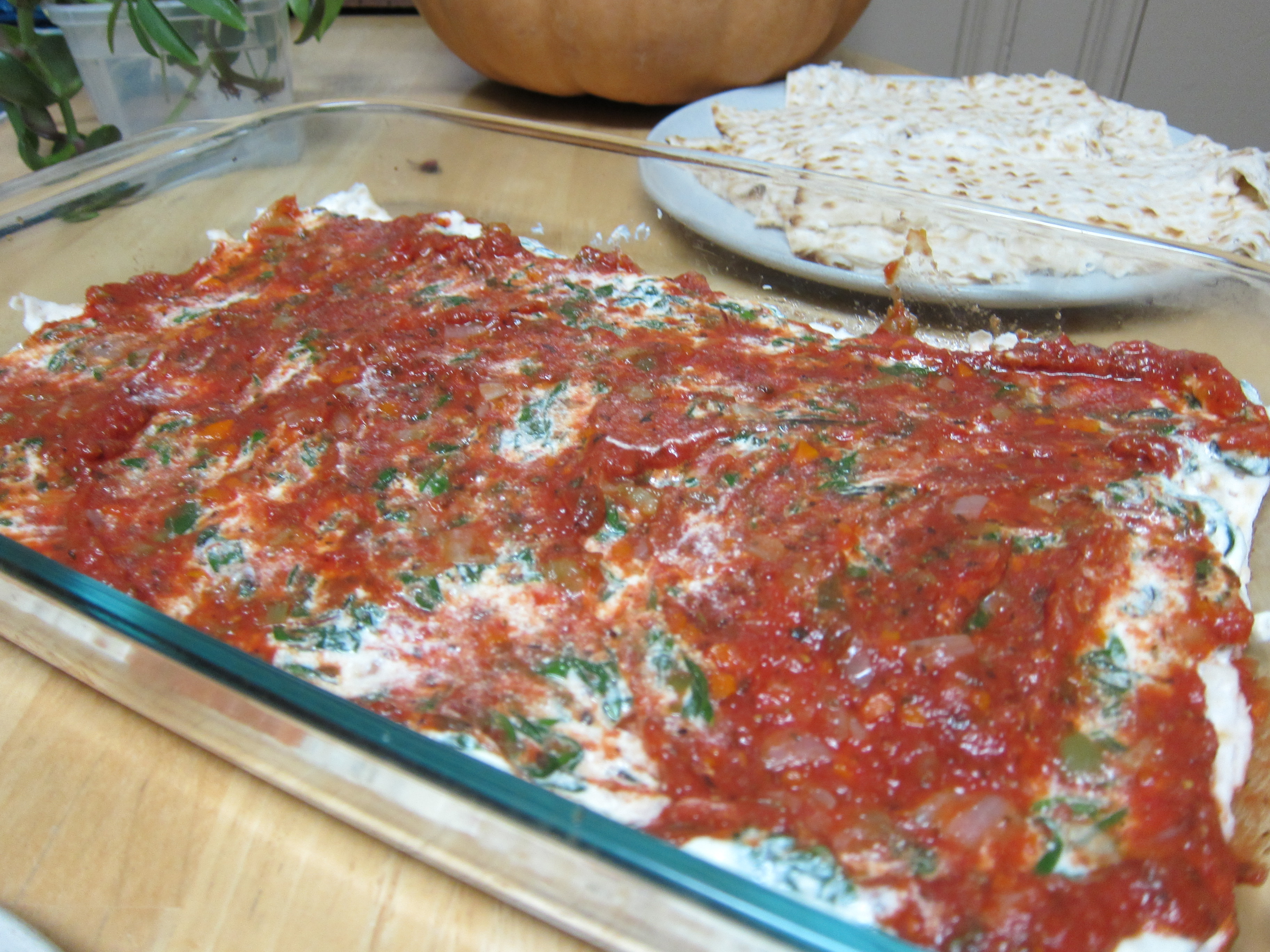
    – Then add a layer of matzah followed by 1/2 of the ricotta mixture, 1/3 of the remaining sauce, and 1/3 of the mozzarella (shredded)
    – Do the preceding step one more time (add matzah, ricotta, sauce, and mozzarella).
    – Then to top it off, add a final matzah layer followed the rest of the sauce and mozzarella.
  6. Bake at 375 degrees for 30-40 minutes (bake until the lasagna is bubbly or the mozzarella on top begins to get a little crispy).

Here’s how to do it with pictures:

Step 1: Make the sauce

onion sautee

Get that saute going if you’re making the sauce.

sauce

Why stop at an onion if you can add more veggies?

tomato sauce

Tomato sauce, now ready to go

Step 2: Prep the matzah

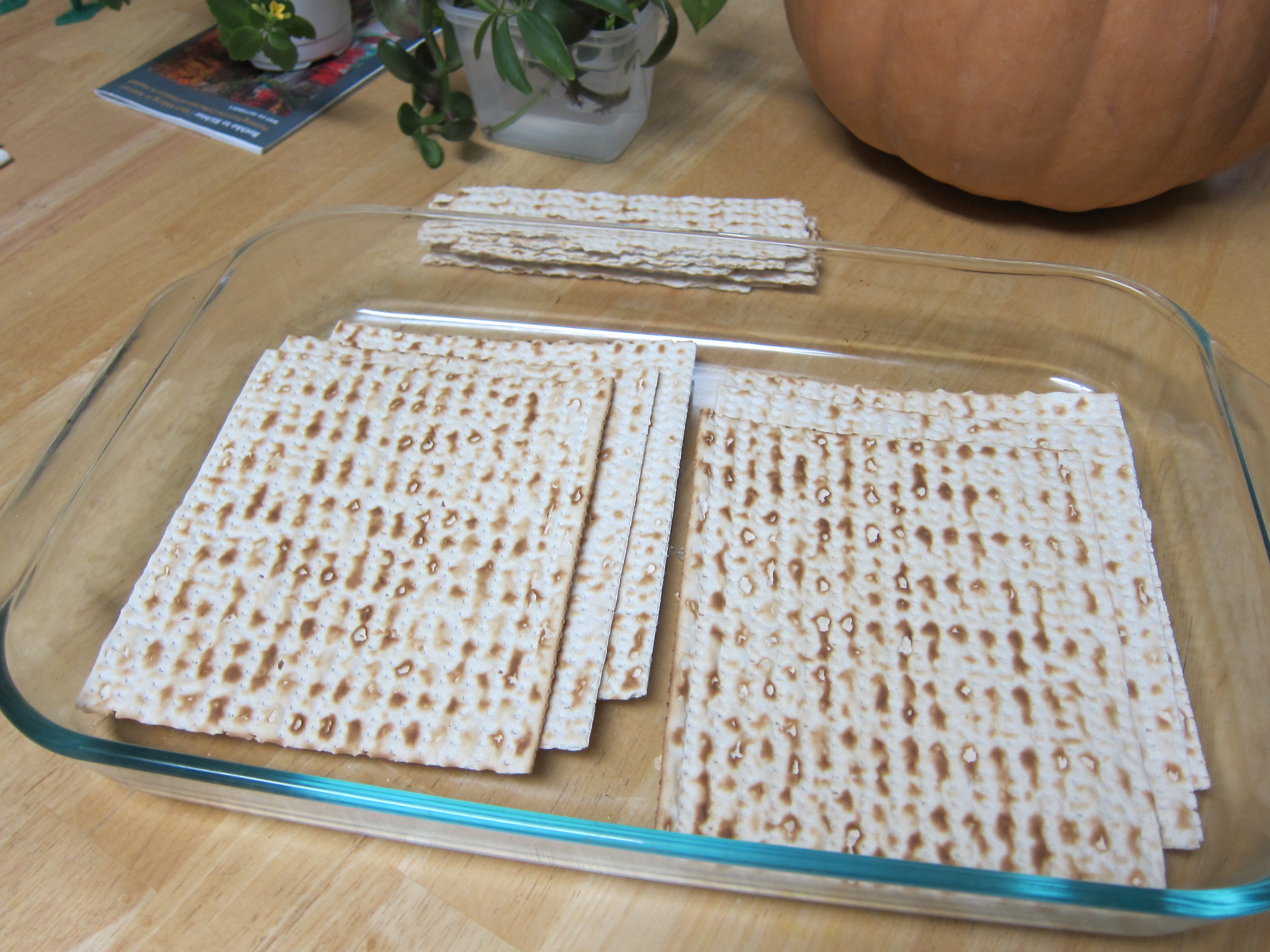
matzah

How matzah looks before you soak it

Step 3: Make the chard

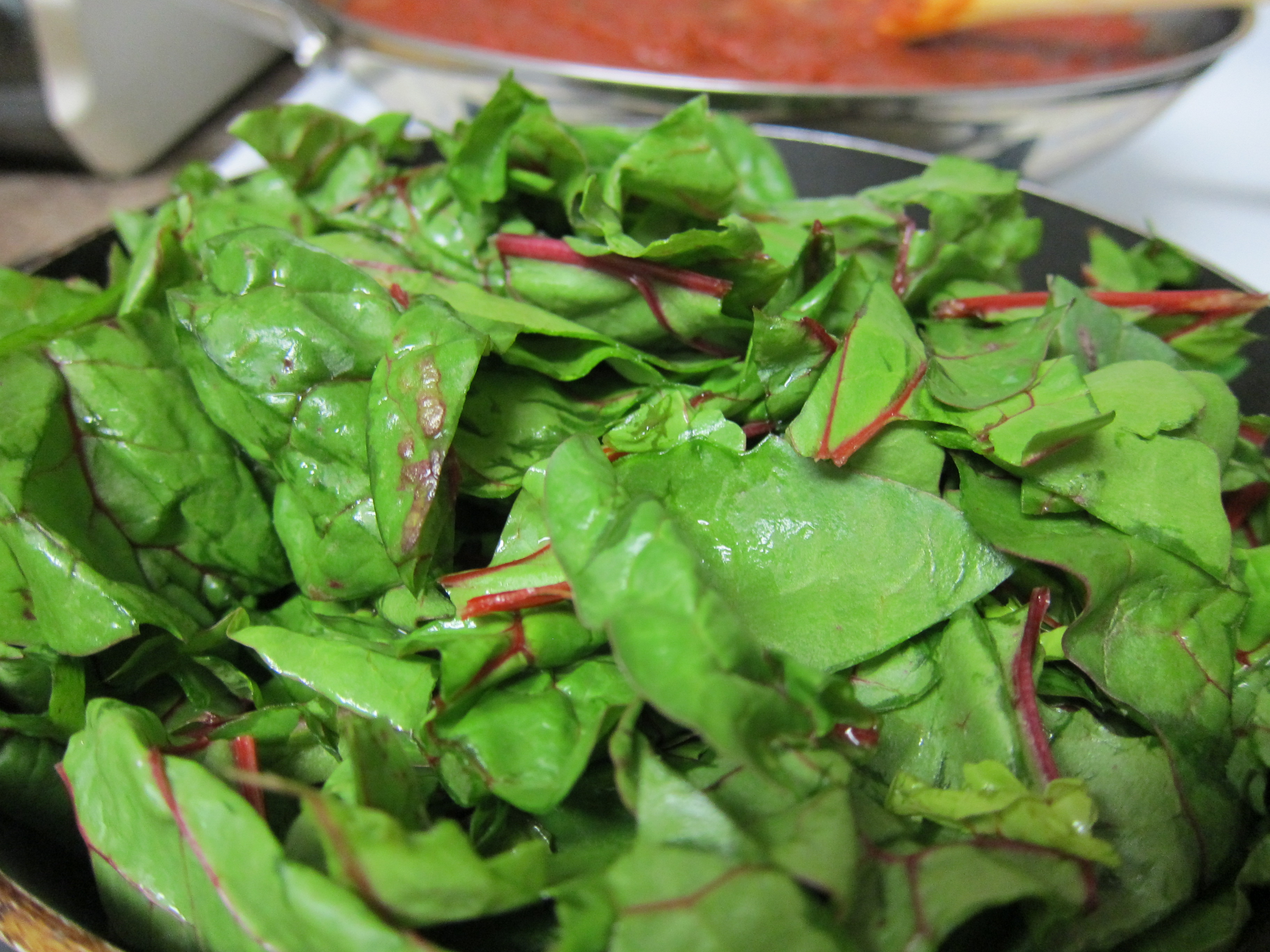
chard1

How chard looks after you chop it but before you saute it

Step 4: Make the ricotta mixture

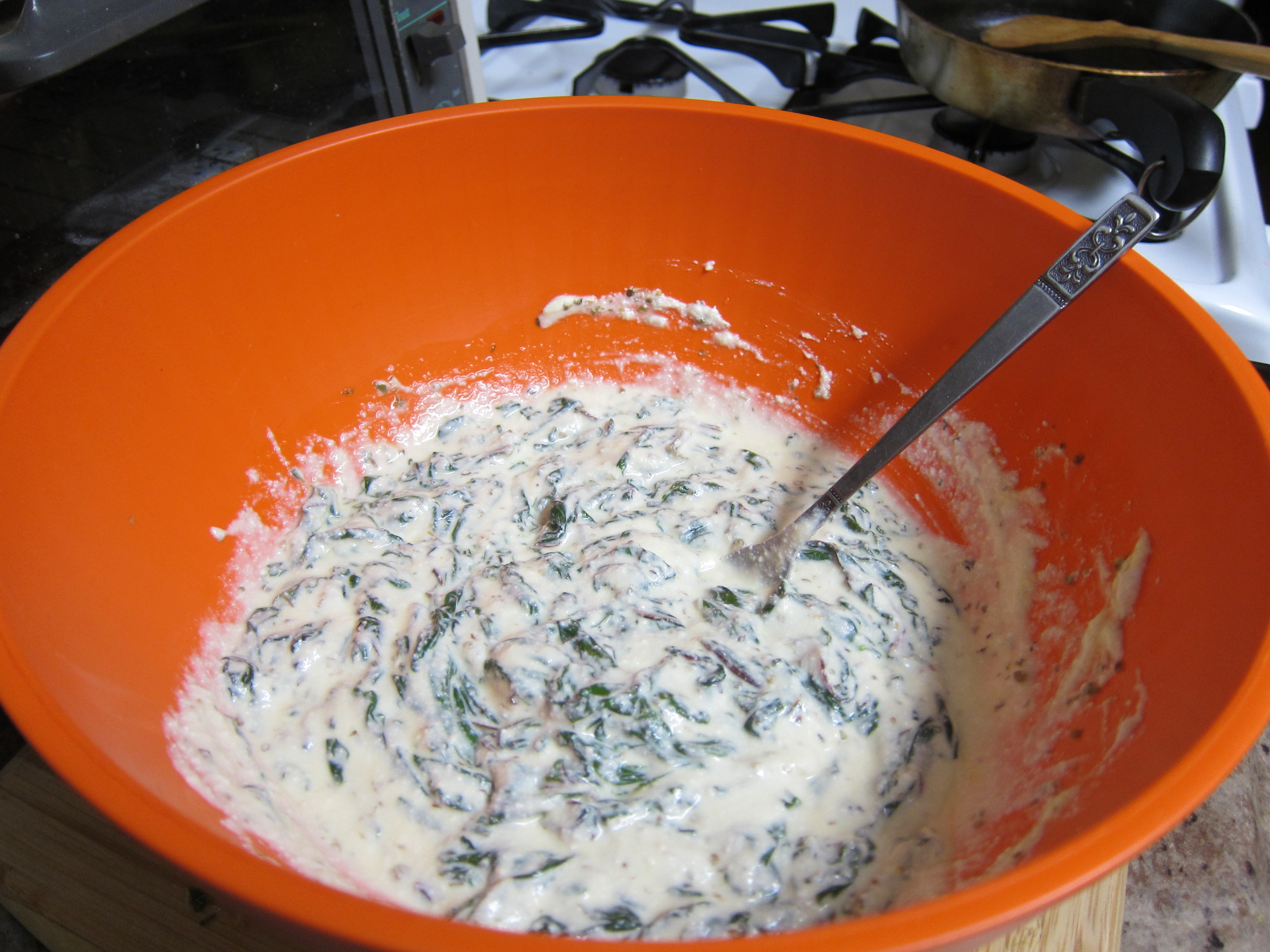
ricotta

How ricotta, eggs, chard, oregano, and salt look after you mix them with a fork in an orange bowl

Step 5: Layer the lasagana

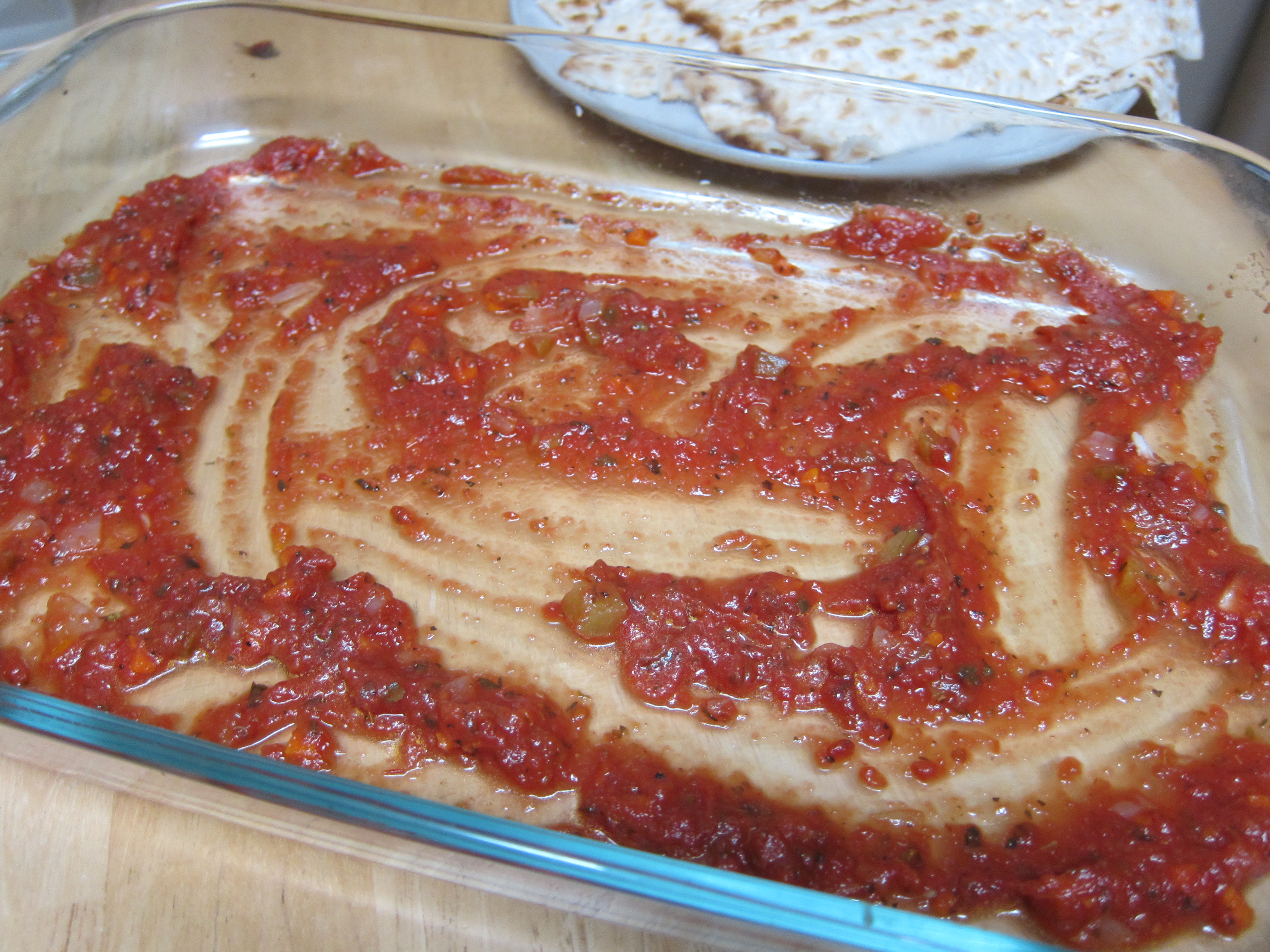
IMG_3760

Sauce

IMG_3761

Matzah

IMG_3764

Ricotta

IMG_3765

Sauce

And then, you know, continue with the rest of the layering…

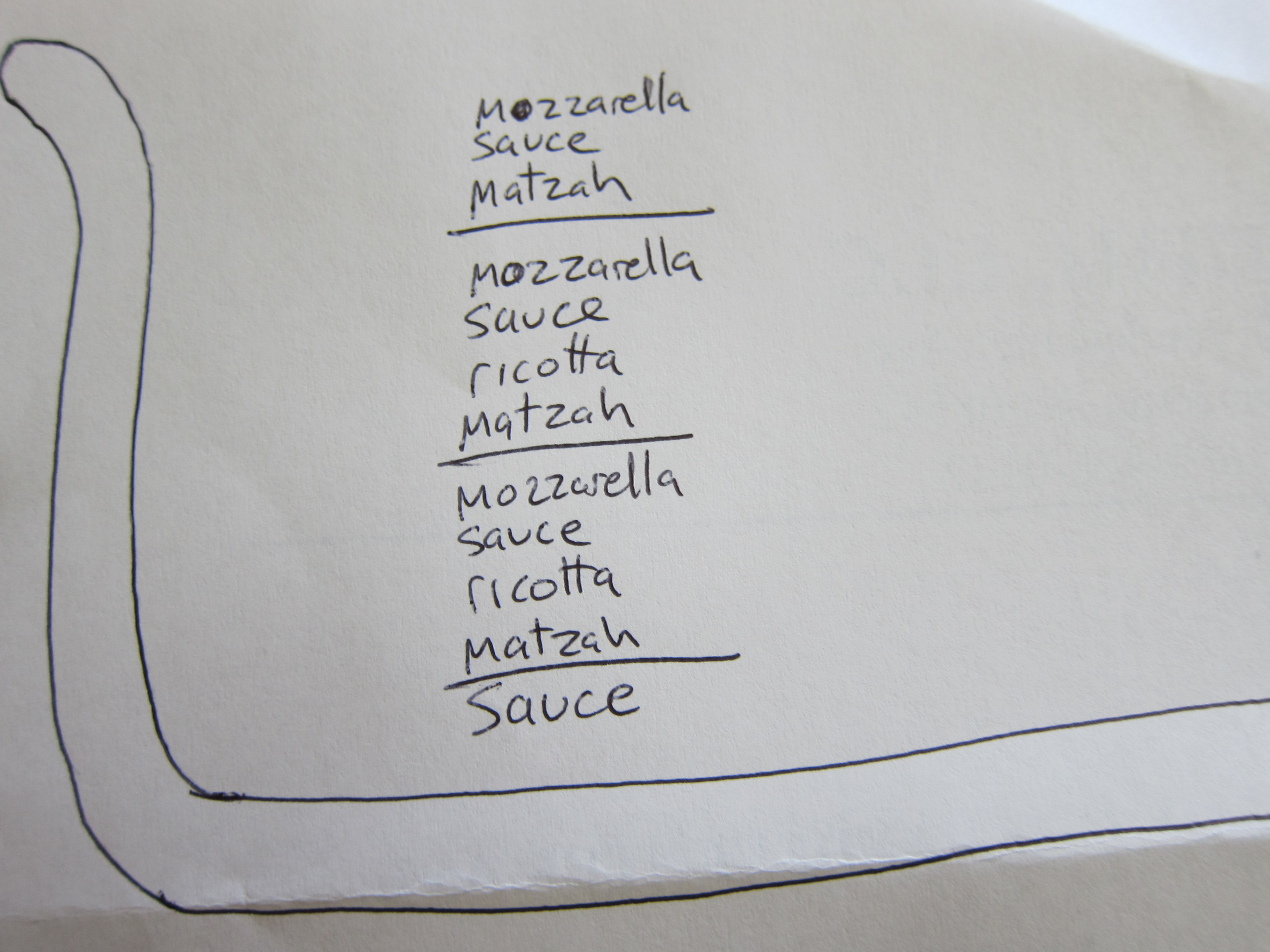
It might be just me, but does anyone else have trouble following the layering steps as described in a typical lasagna recipe? If I’m following a lasagna recipe, I always find myself reading those steps multiple times. For the more visually/graphically-oriented among us, I drew a picture to help:

IMG_3781

Lasagna layers in profile. Check out the shape on that pan. 

And now, the final product:

matzah lasagna

Matzah lasagna! Out of the oven

IMG_3774

On the plate!

IMG_3776

Close-up!

My first thought after taking a bite was, Hmmmmm…..Celeste Pizza! I haven’t had Celeste or other frozen pizzas in a while, but the very top layer of the lasagna (the matzah, sauce, and mozarella on top) was reminiscent of the melting-in-you-mouth, feel-good flavor and texture of a hot-out-of-the-oven highly processed, one-dollar frozen pizza.

Another thought was, This could use a little more salt. I say this perhaps more as an aside to myself because I made the tomato sauce and have a tendency to use less rather than more salt. Maybe next time (next year) I’ll put more salt in the sauce or ricotta mixture.

Final thoughts? I like the noodle version better, but this one was still good. You can tell there’s something different going on (the softer matzah gives it more of a casserole feeling), but if no one told you what it was, it wouldn’t be that remarkable (as in, something different to remark about).

Also, I’m proud of myself for posting the recipe even though I only made it once and know it’s not perfect. I can think of more to say about that topic on the life side, but for now, let’s say this particular recipe is good but also a work in progress. I’m putting it out there for all to see, use, and potentially make better and give me suggestions on. Have an idea? Let me know. And yeah, give it a try, especially if you happen have to a good-sized stock of matzah (or matzo or matzoh) left over from the 5, 10, or more lbs you may have started with this week.

Hello World! It’s Gooda Bartha to meet you!

Hello! It’s Gooda Bartha to meet you!

I’d been thinking of starting something like this for a while now, and today’s the day it’s happening! Are you ready too? Let’s go! It will be a story in words and pictures, a mix of food and life. And even if it doesn’t always turn out as planned or hoped for, it’ll still be good.

Gooda Bartha

Gooda Bartha! But how did you end up looking so good??

So I had Good Bartha (Zucchini puree) for the first time three years ago, and it was one of those times when after tasting it, I thought or said something like, Wow, that’s really good, that’s amazing, let me finish this so I can have some more. I was visiting my aunt and uncle in Illinois at the time, and my uncle was cooking. I think he made rice and dal that night too.

I got the recipe from my uncle a few weeks ago, and now it was my turn. Time for some re-creation recreation.

Gooda Bartha (Zucchini puree)

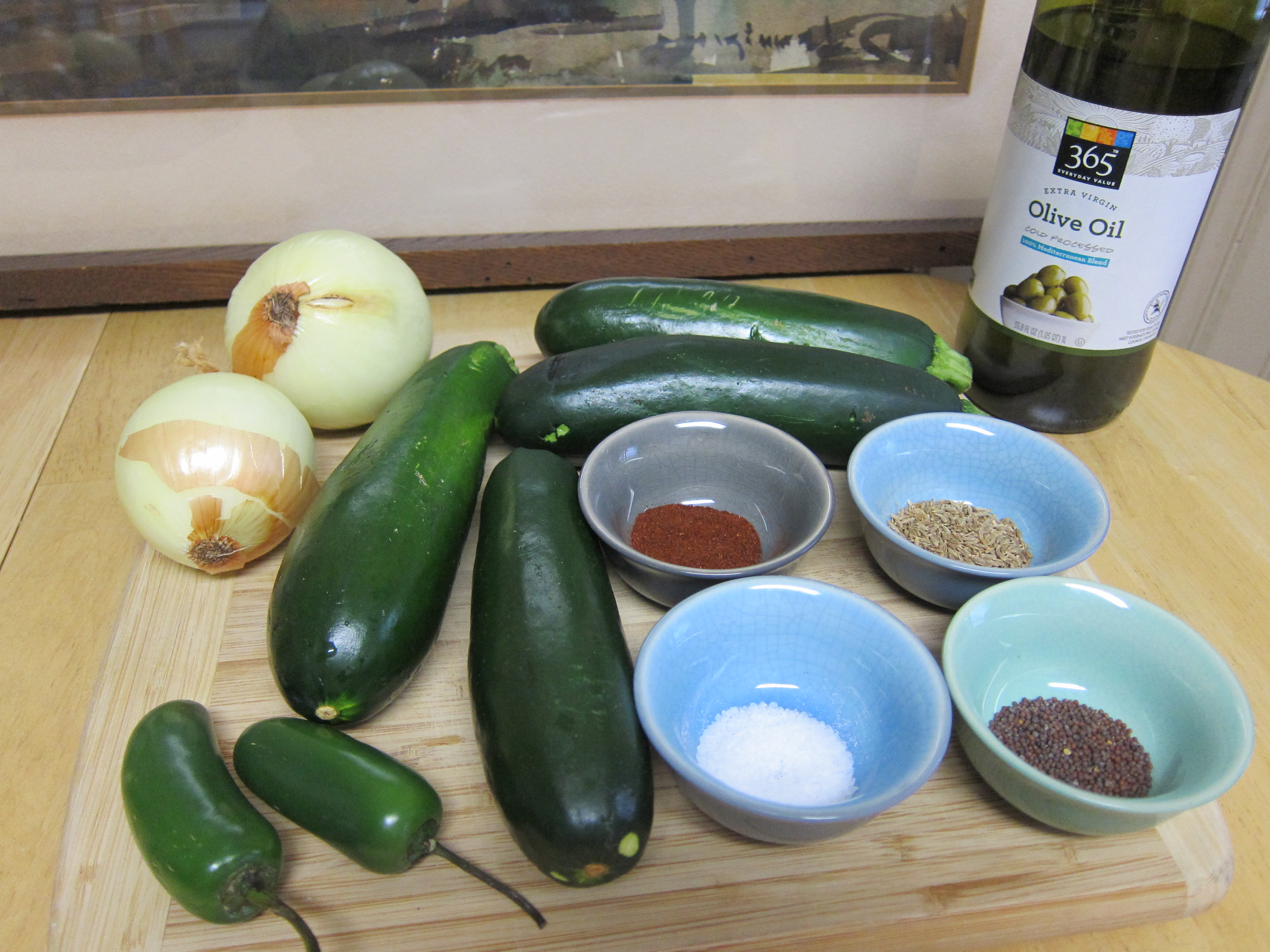
  • 1 lb zucchini (about 2)
  • 1 Tbsp oil
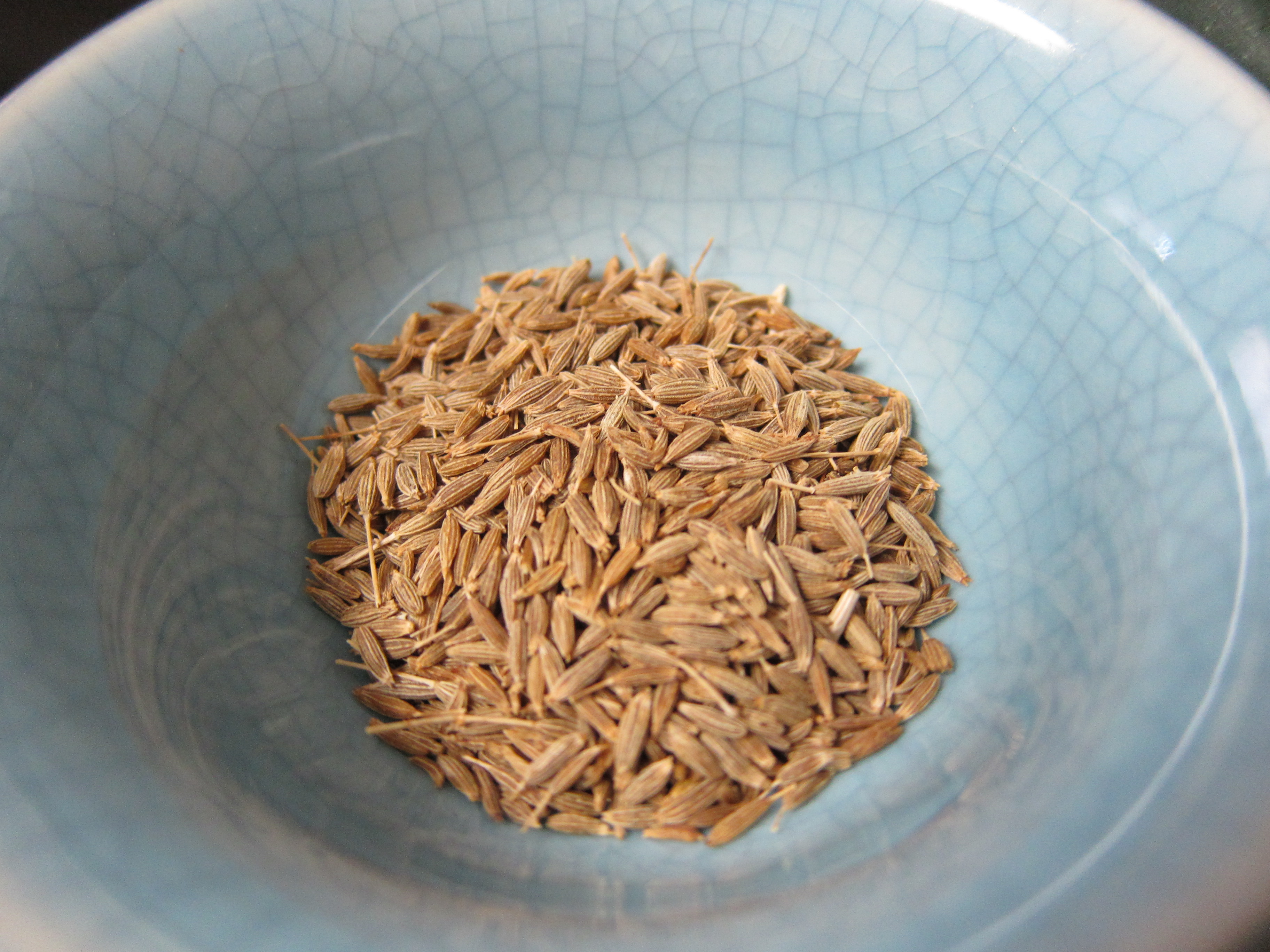
  • 1 teasp cumin seeds
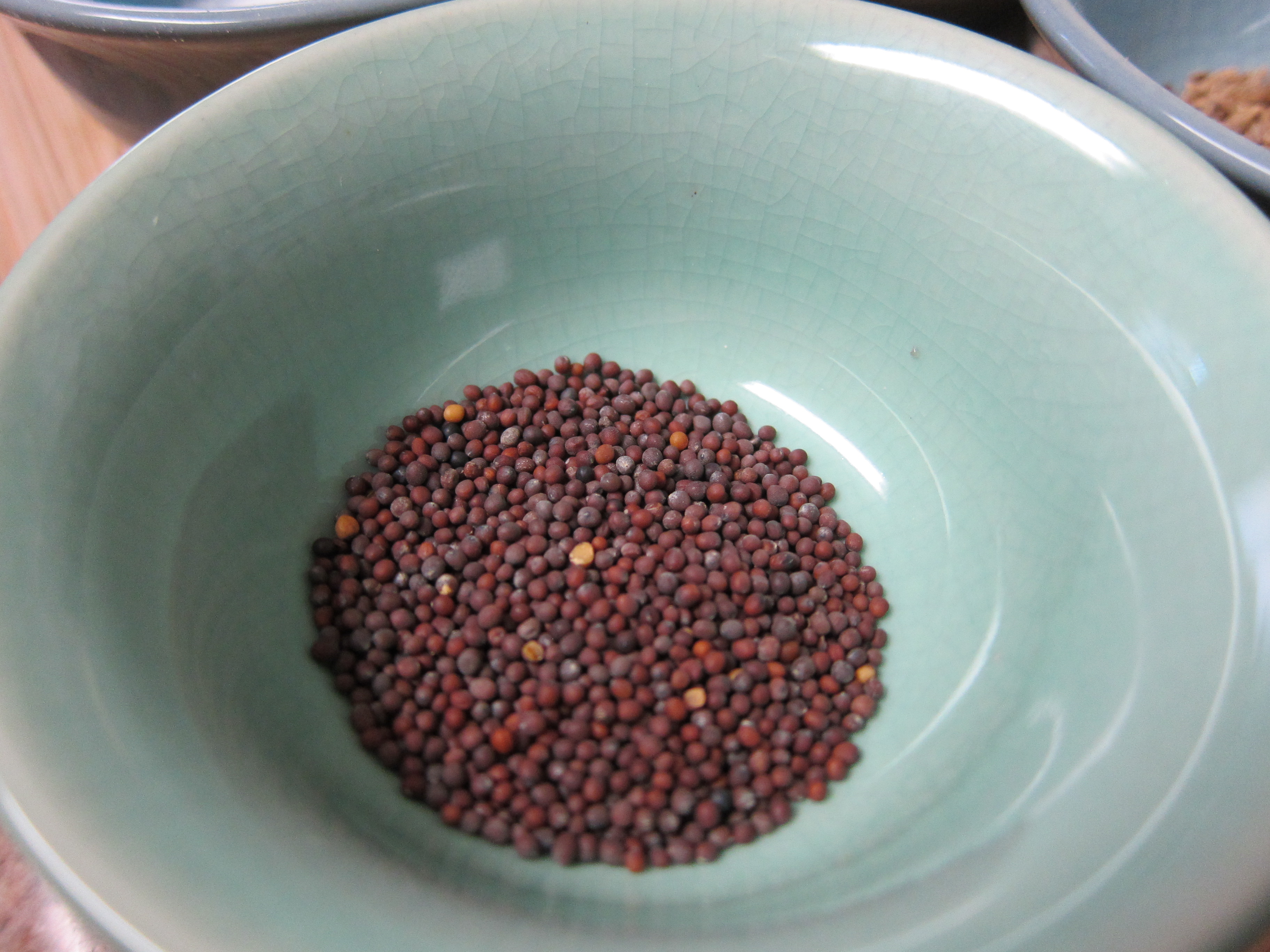
  • 1/2 teasp black mustard seeds
  • 1 fresh green jalapeno chili
  • 1 medium onion
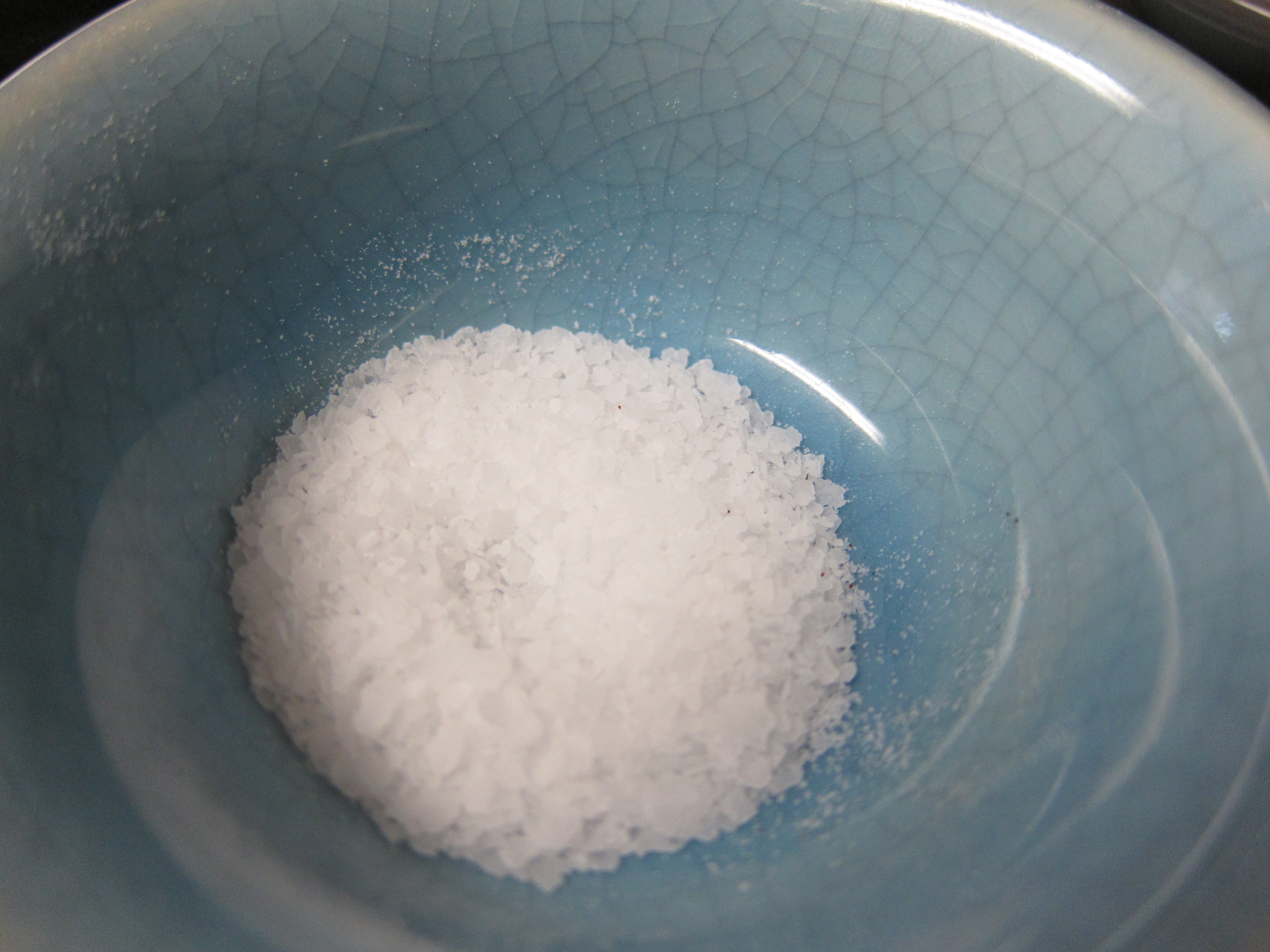
  • 1/2 teasp salt
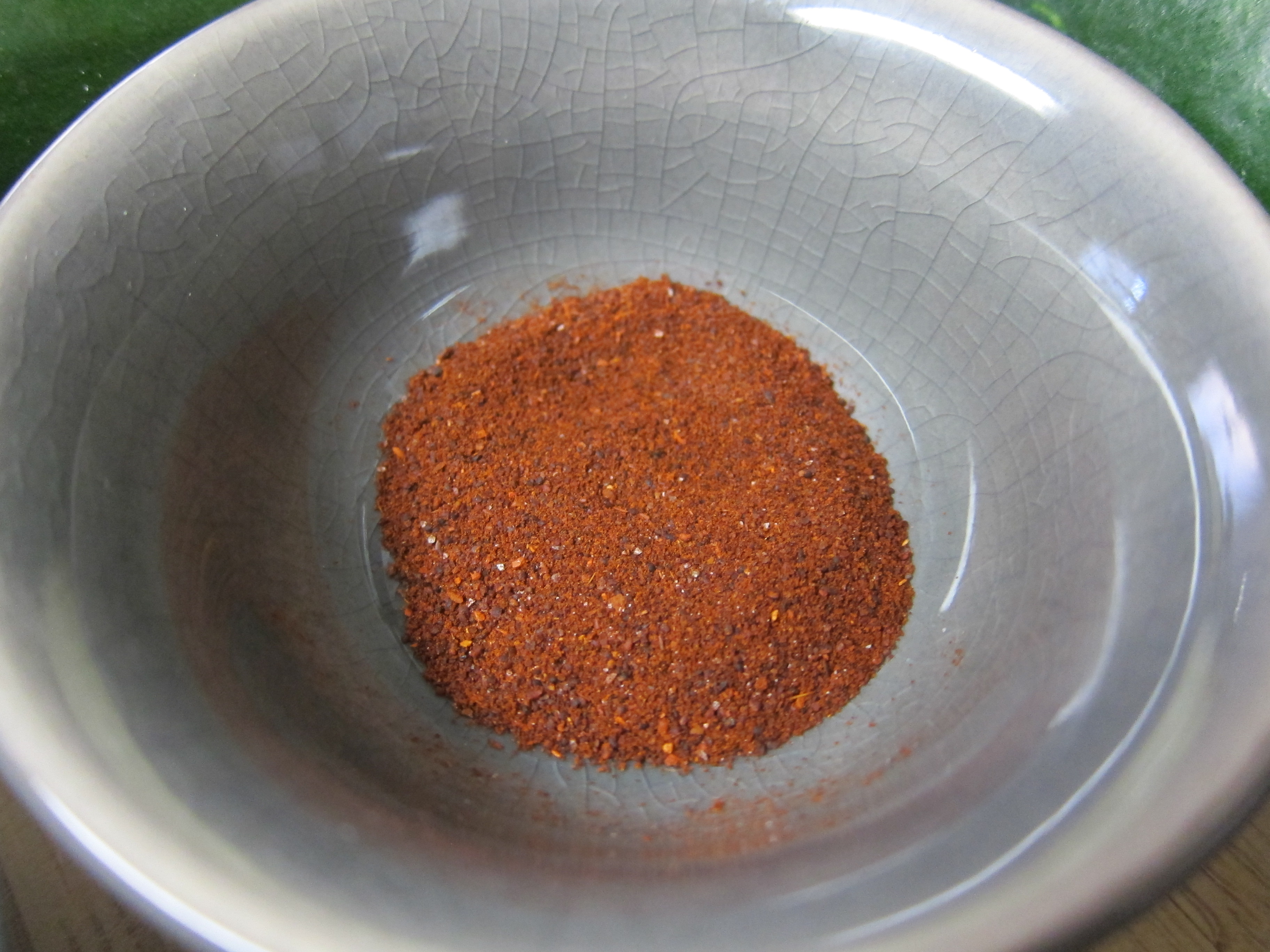
  • 1/2 teasp chili powder
The players

But it says 2 zucchini, 1 chili, and 1 onion! That’s okay – let’s make it a double!

Yes, that’s what I’m talking about. Dinner tonight, lunch tomorrow!

The players, more prepared

The players, now more prepared

Here’s how to get everything ready:

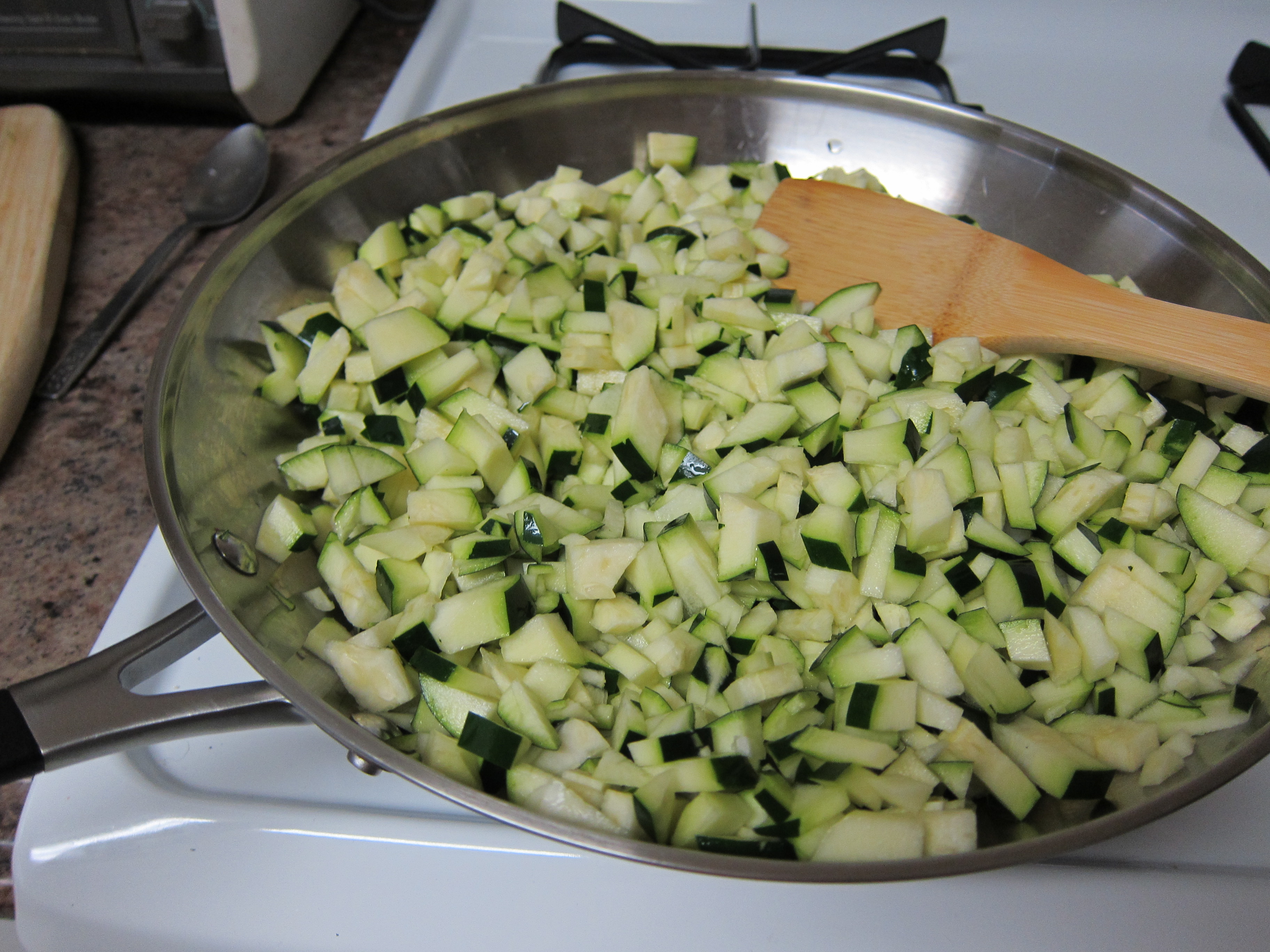
The zucchini gets chopped,
the onion gets sliced, and
the chili gets seeded and sliced.

And here’s what to do in five easy steps:

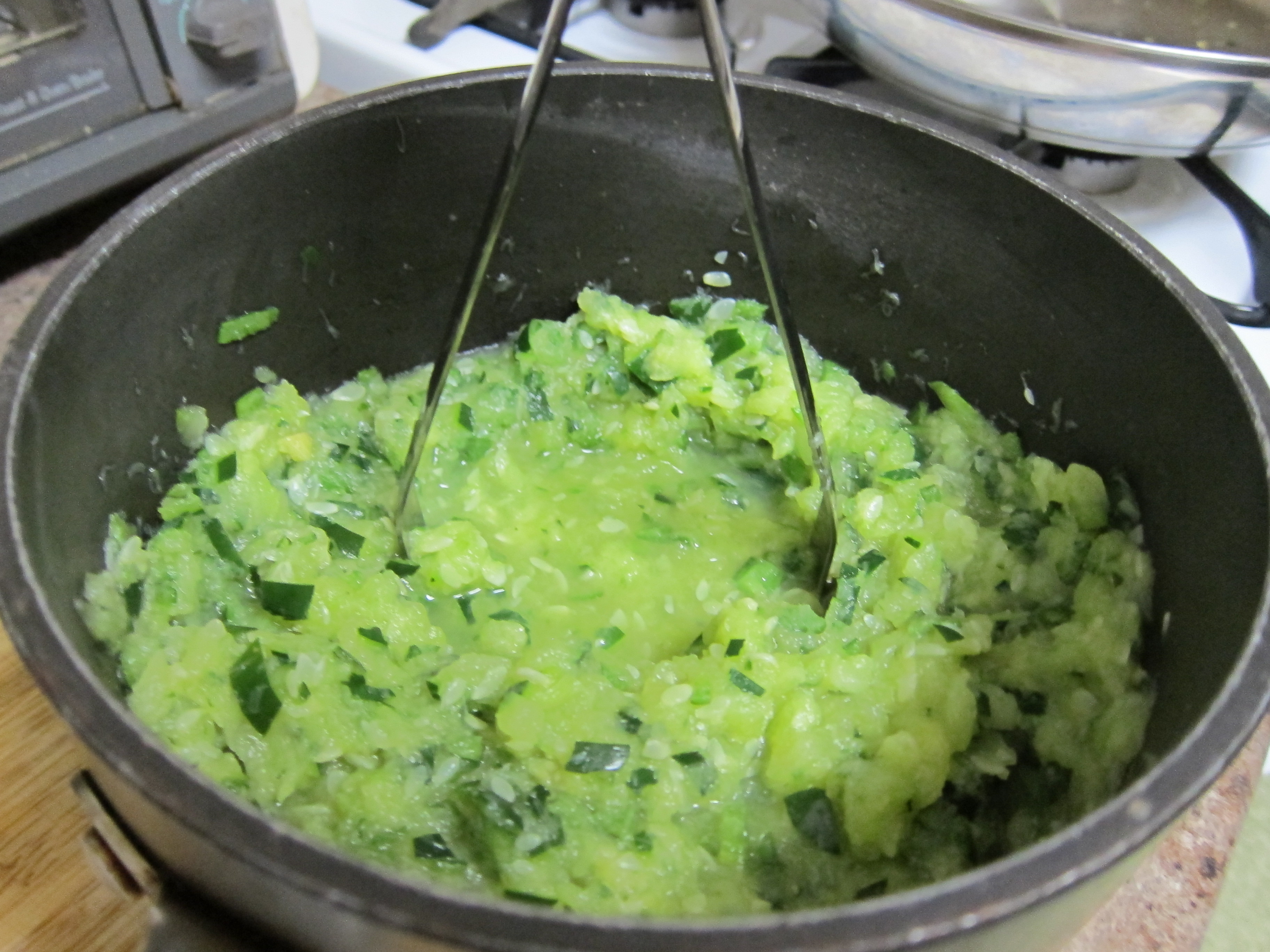
  1. Put the zucchini in a saucepan, and cook with water until soft. (I used 1 cup water for 4 zucchini, and I covered the pan to have it cook faster.) Then drain the water, and mash.
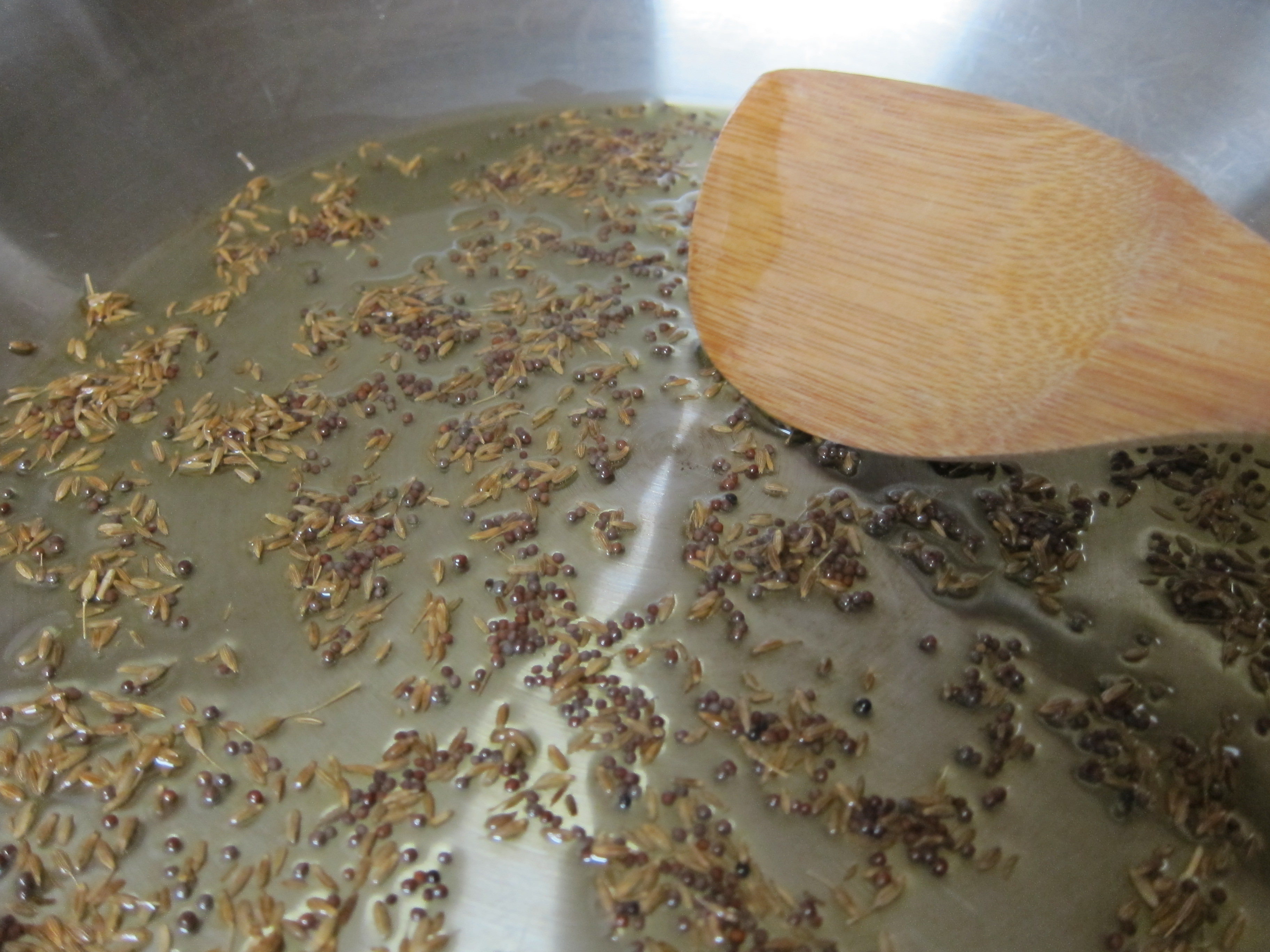
  2. Heat the oil in a frying pan, and fry the cumin and mustard seeds until the mustard seeds crackle.
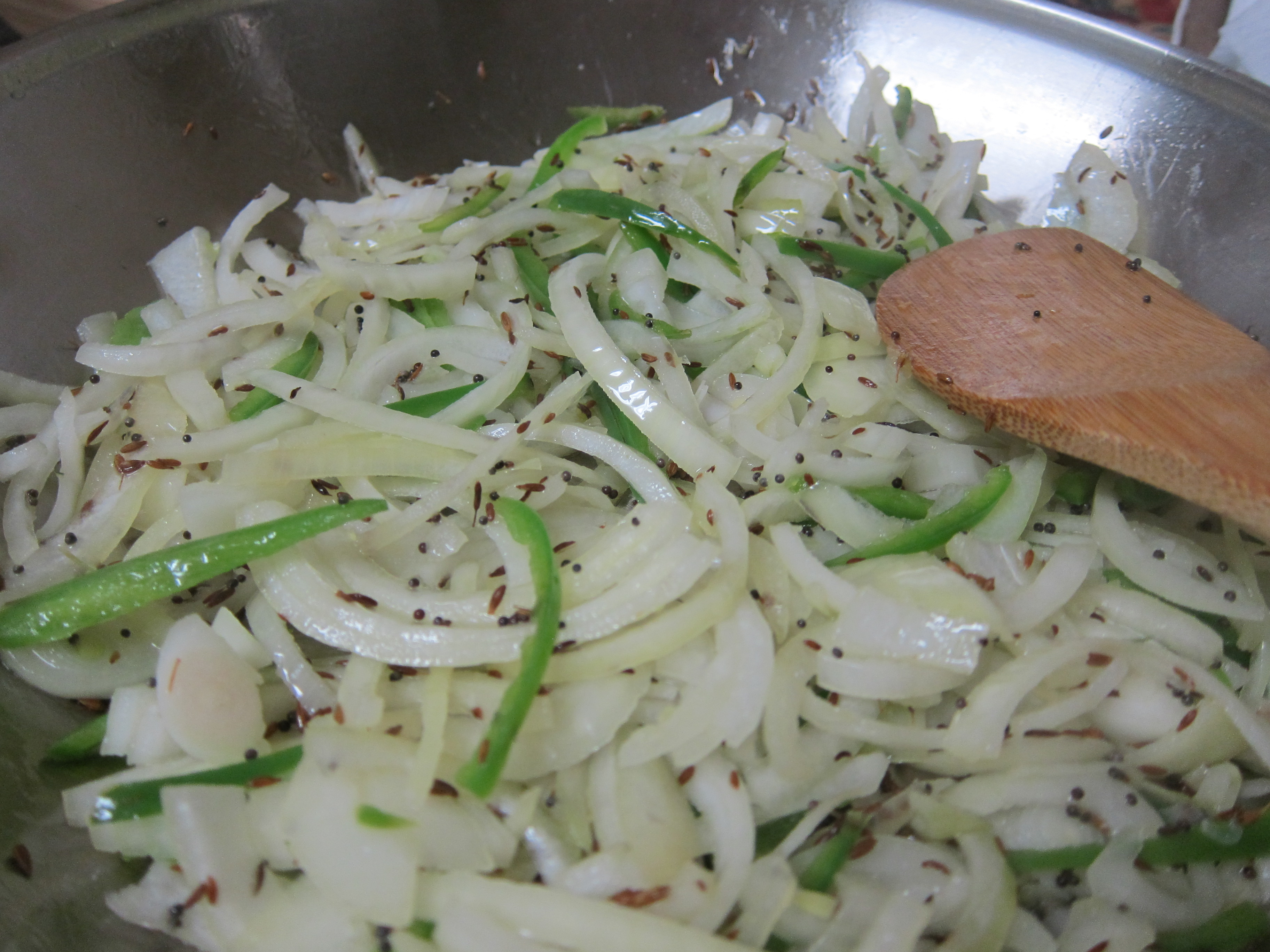
  3. Add in the onion and chili, and cook until the onion is soft. (I covered the pan again during this step.)
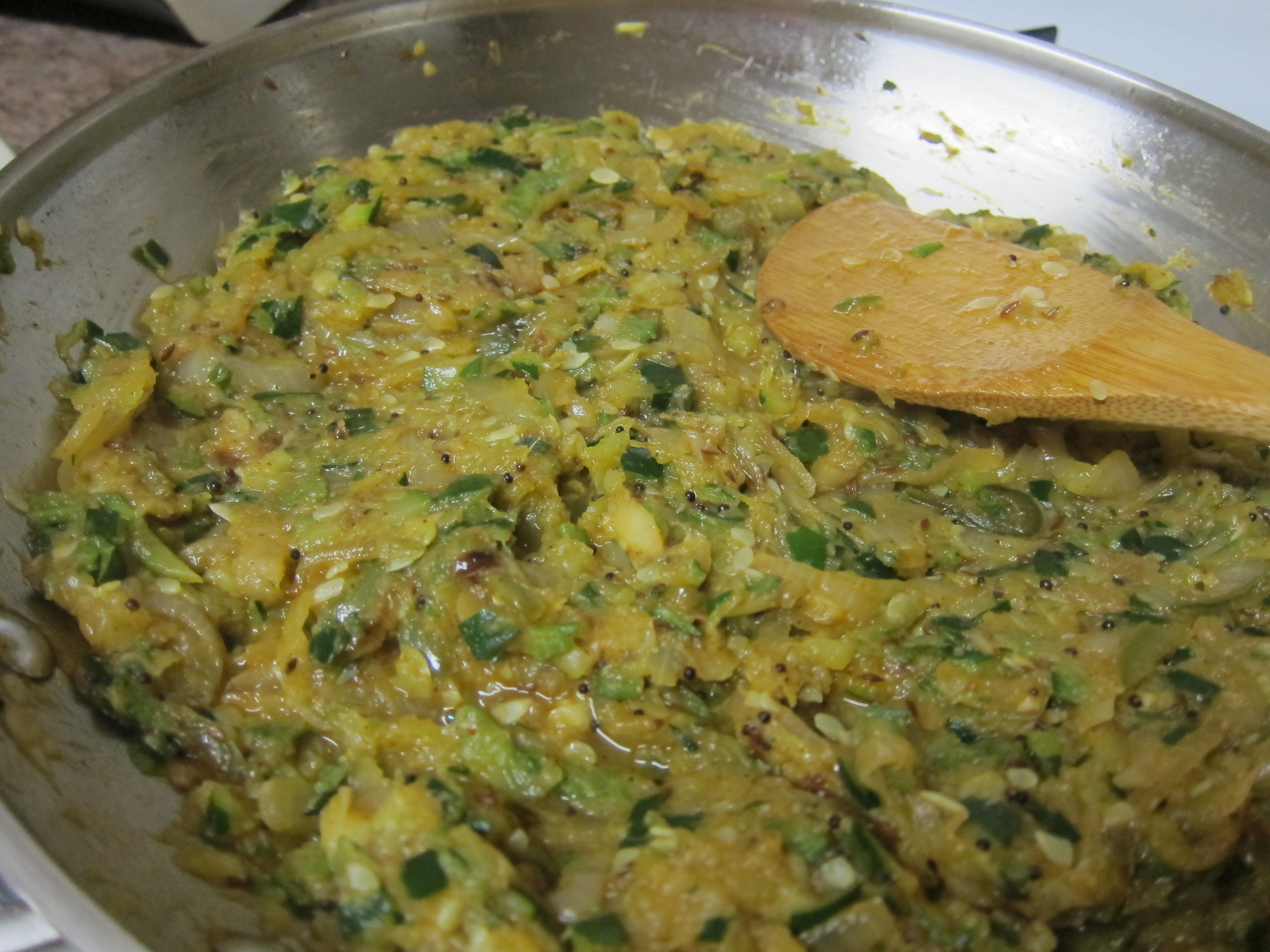
  4. Add in the mashed zucchini, salt, and chili powder, and cook uncovered for 5 minutes or until the liquid evaporates.
  5. Serve warm or at room temperature.
    (Recipe modified from “The Complete Asian Cookbook” by Charmaine Solomon)
Zucchini, ready to go

Zucchini, ready to go

Zucchini mashed up

Zucchini mashed up

Seeds in the pan

Onion and chili added

Onion and chili added

All together now

And now, ready to be introduced:

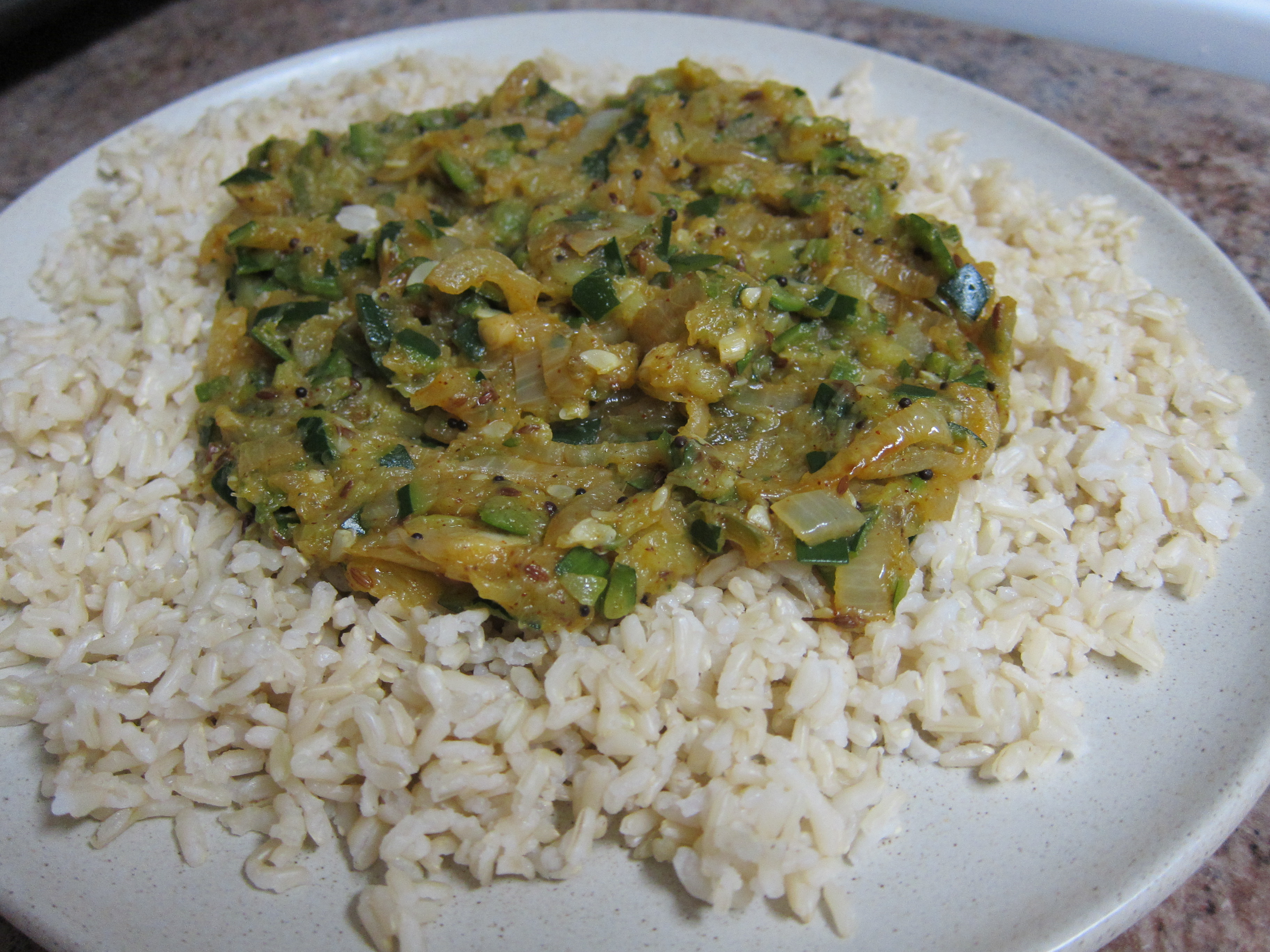
On the plate

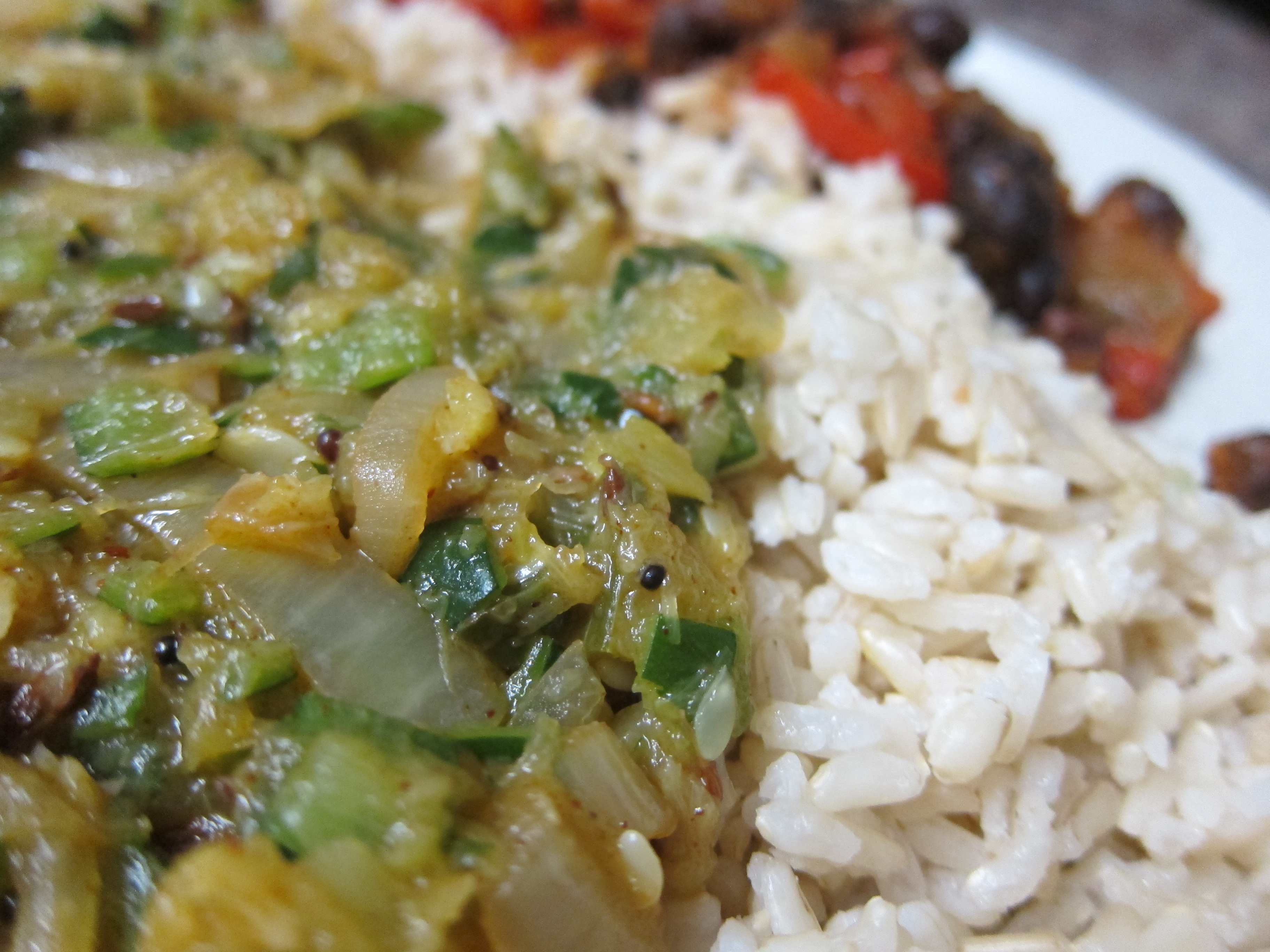
Gooda Bartha close up

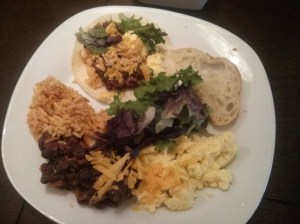
Gooda Bartha, with friends

I also made some friendly beaners while I was cooking and let them join the party too. They’re the red and black you see balancing out the picture.

And in the end? It was pretty good! My uncle’s was better (at least according to my memory), but that’s okay. I can compare notes and do some cooking with him the next time I’m in Illinois. Lucky for me, that next time is going to be in two weeks, when I head out there to do the Illinois Marathon and see my aunt and uncle and brother.

I’ll see you later too – here are some Gooda Bartha seeds and spices to chew on until then.

Cumin seedschili powdercumin seedssalt